Wairarapa: New Zealand’s Pinot Noir Heartland
Some wine regions announce themselves the moment you arrive. Wairarapa does not. It reveals itself slowly, quietly, almost on its own terms—and that’s exactly what drew us in.
Crossing the Rimutaka Ranges from “Windy” Wellington (New Zealand’s capitol), the landscape begins to change. The air dries out, the sky opens wider, and the road straightens. It feels like you’re leaving something behind and entering a place where time moves just a little more deliberately. By the time we reached the Wairarapa, we already understood this was a region that valued patience.
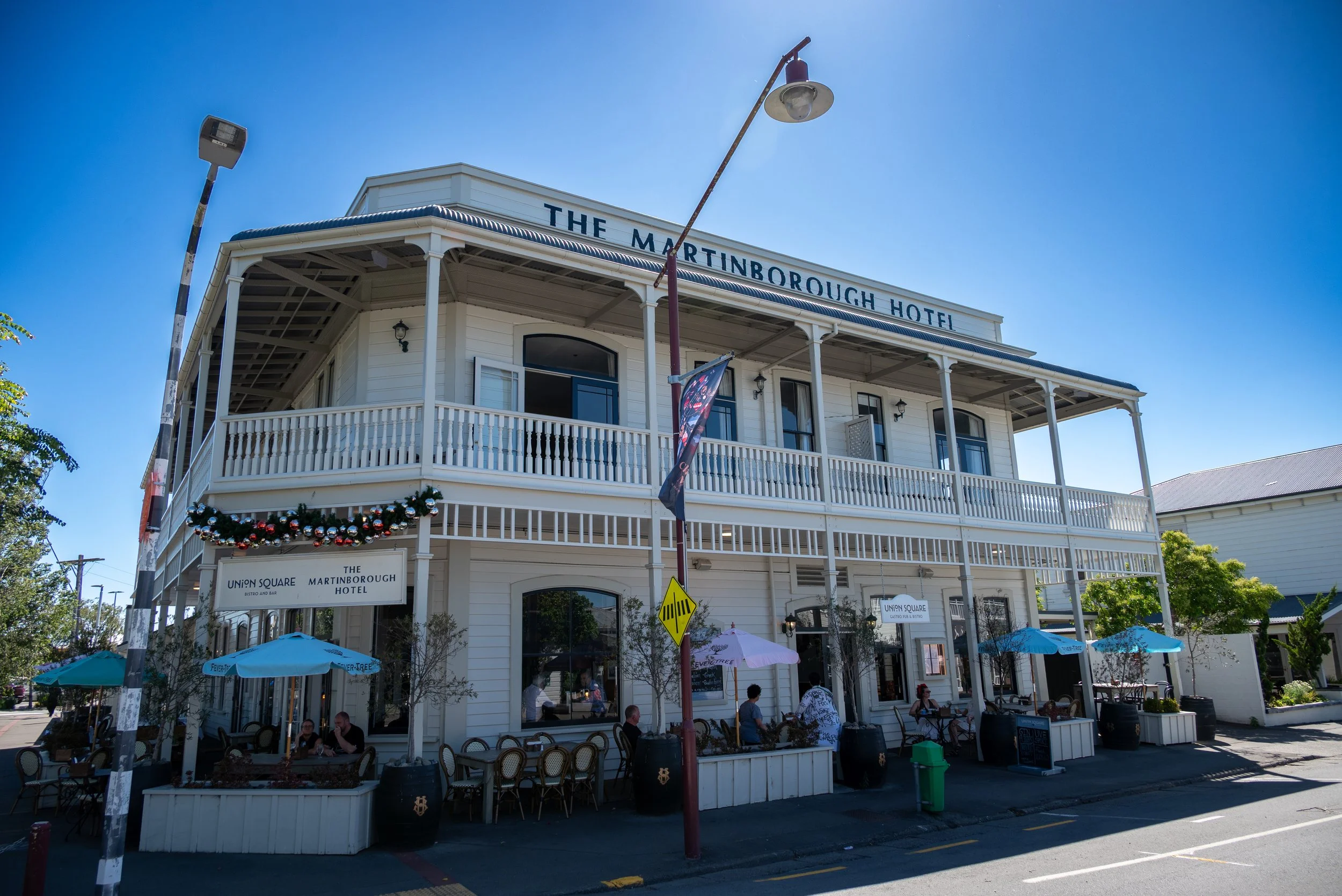
The Wairarapa region is small by wine-region standards, but it carries itself with quiet confidence. There’s no sense of spectacle here—no sprawling estates or grand entrances—just vineyards stitched into open land, shaped by wind and gravel and long growing seasons. It’s a working landscape, and you feel that immediately. While the region includes Gladstone and Masterton, Martinborough is its heart. Everything seems to orbit around this modest village, where the square serves as both a gathering place and a gentle reminder that wine here is meant to be shared, not rushed. We were lucky to spend some time at a local pub on Christmas Eve, and the staff were some of the nicest people on the planet, a trend we would continue to see throughout New Zealand.
Martinborough has a way of disarming you. Many of the vineyards sit close enough to town that bicycles outnumber cars, and tastings feel more like conversations than appointments. There’s no pressure to hurry or “do it all.” Instead, the day unfolds organically—one glass leading to the next. What struck us most was how connected everything felt. The vineyards are close, the producers know one another, and the wines clearly reflect a shared respect for place. It’s not about standing out; it’s about getting it right.
Understanding the Pinot Noir
Martinborough Pinot Noir has earned its reputation for good reason. The soils here, free-draining gravel left behind by the ancient Ruamahanga River, naturally limit yields and concentrate flavor. Add cool nights, steady winds, and a long growing season, and you get wines that feel composed and intentional.
In the glass, the Pinot Noirs are expressive without being loud. We found bright red fruit—cherry and raspberry—layered with earth, dried herbs, and spice. The structure is unmistakable: fine tannins, vibrant acidity, and a sense that these wines are built for the table, not just the tasting room. These are wines that slow you down. You don’t rush through them; you sit with them.
While Pinot Noir may be the reason most people come to Martinborough, it’s far from the whole story. Chardonnay here leans toward texture and minerality rather than richness, often finishing with a saline edge that feels distinctly coastal. Sauvignon Blanc, too, is more restrained than expected—less tropical, more structured, with grapefruit, herbs, and flint taking center stage. We were especially intrigued by the Syrah. Produced in small quantities, it carries a cool-climate elegance—pepper, violet, dark fruit—that feels refined and quietly confident. It’s another reminder that Wairarapa rewards attention.
What stays with us most from Martinborough isn’t just what’s in the glass—it’s who’s behind it. Many wineries here are small and family-run, and sustainability isn’t a talking point so much as a way of life. Organic and biodynamic practices are common, driven by the belief that better vineyards make better wine. Tastings rarely feel scripted. Instead, they’re personal and unhurried, often guided by people who know every row of vines and every decision made in the cellar.
Moy Hall Winery
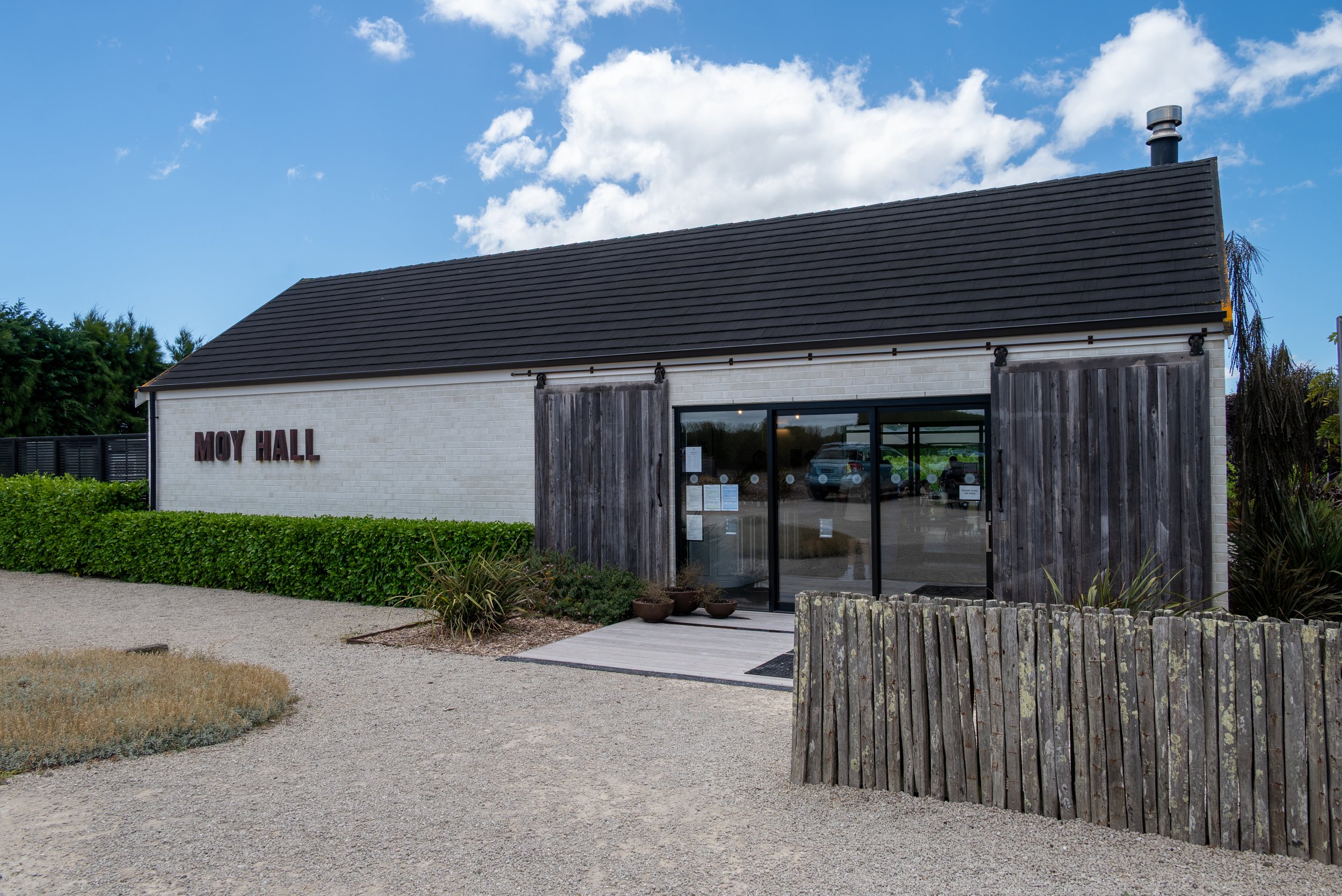
Settled on the rolling Martinborough Terrace in Wairarapa, Moy Hall is one of the region’s most inviting stops for wine lovers who appreciate authenticity, thoughtful winemaking, and a relaxed vineyard experience. This family-owned estate brings together handcrafted wines, a warm cellar door, and a seasonal dining experience that captures the essence of New Zealand’s cool-climate wine country.
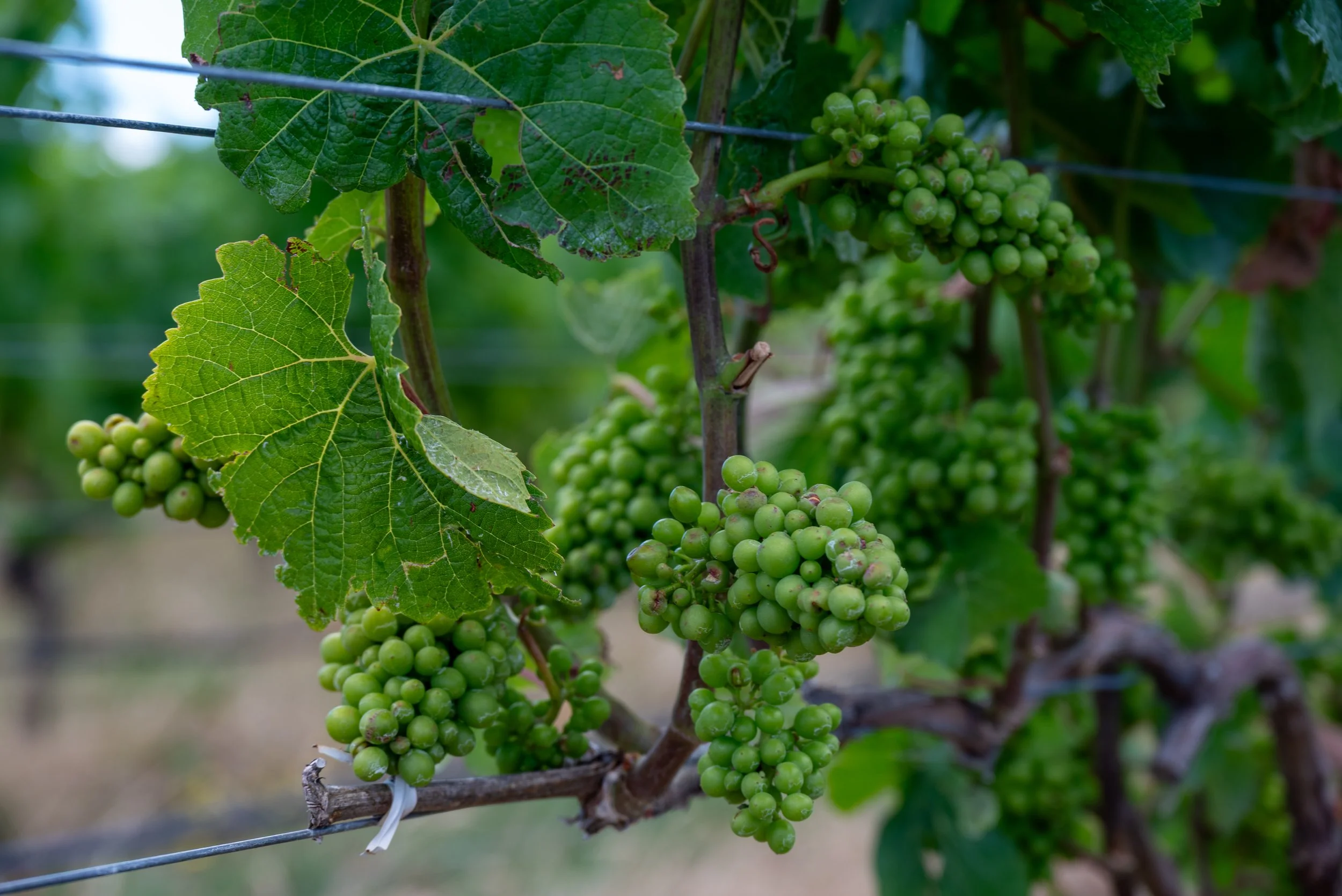
Moy Hall isn’t a corporate showpiece—it’s a personal expression of land and craft. Founded by Phill and Carolyn McArthur, the vineyard draws its name and spirit from the family’s Scottish heritage while fully embracing the terroir of the Martinborough Terrace. The estate spans multiple sites across the region, planting vines that reflect the diversity of soil and microclimate here. These gravelly terraces—formed by ancient riverbeds—are ideal for cool-climate viticulture. They encourage low yields and concentrated fruit, which translates into wines with clarity, balance, and a distinct sense of place.
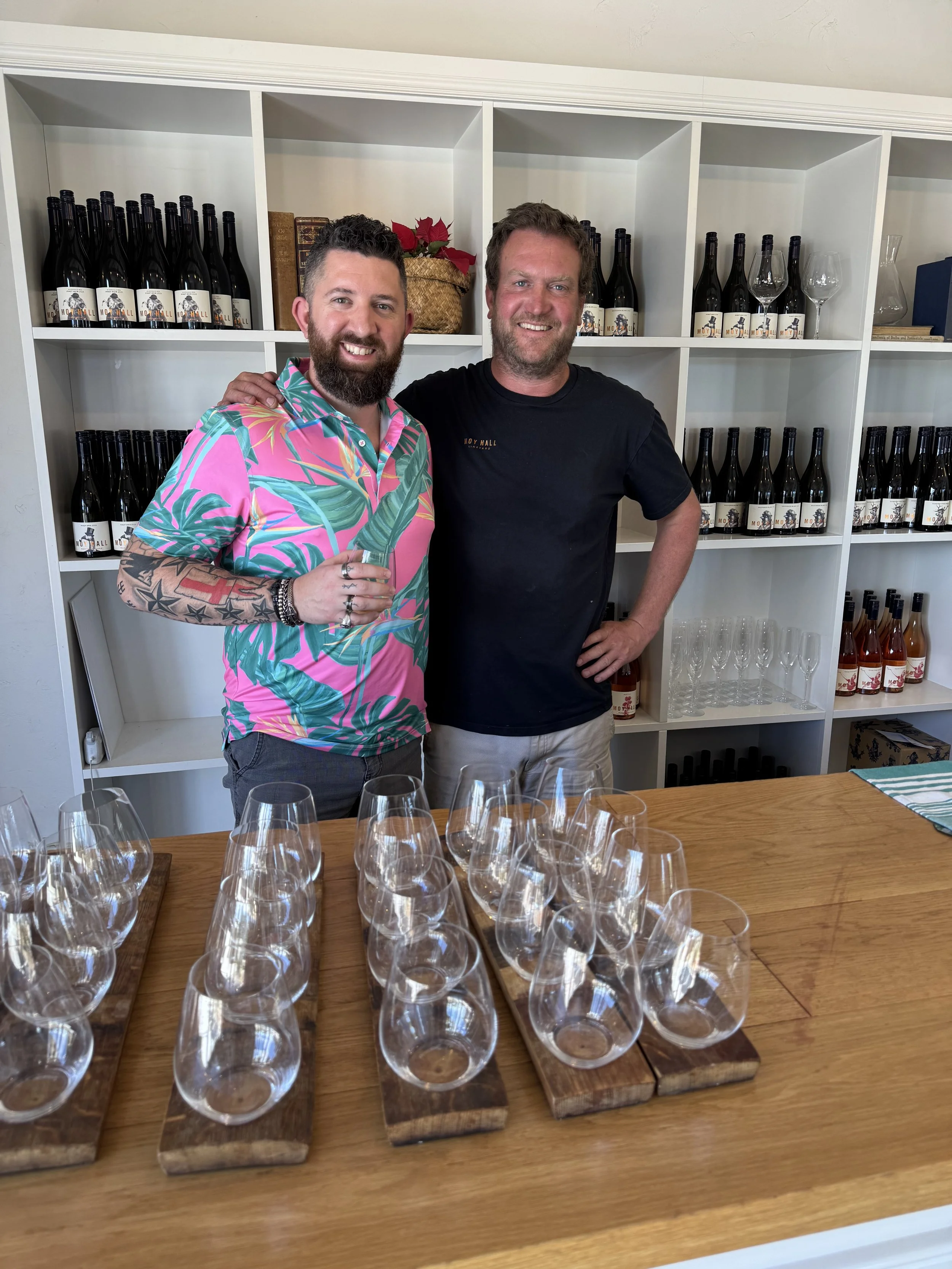
Meeting with Owner/Winemaker, Phill McArthur
Visiting Moy Hall’s cellar door (tasting room) is less about formality and more about connection. Tasting opportunities range from casual pours on the lawn or in the front courtyard to more structured wine flights that let you explore the estate’s range at your own pace. The setting is relaxed, often with winemakers or cellar team members pouring and sharing stories behind each wine. I had the pleasure of meeting Phill during our visit and he is as warm and inviting as the surrounding landscape. On warm days, you might sip a crisp Sauvignon Blanc under blue skies or linger over rosé and seasonal whites alongside shaded picnic tables. The winery’s outdoor areas invite you to slow down and linger—an ideal complement to Martinborough’s unhurried pace.
The Wines
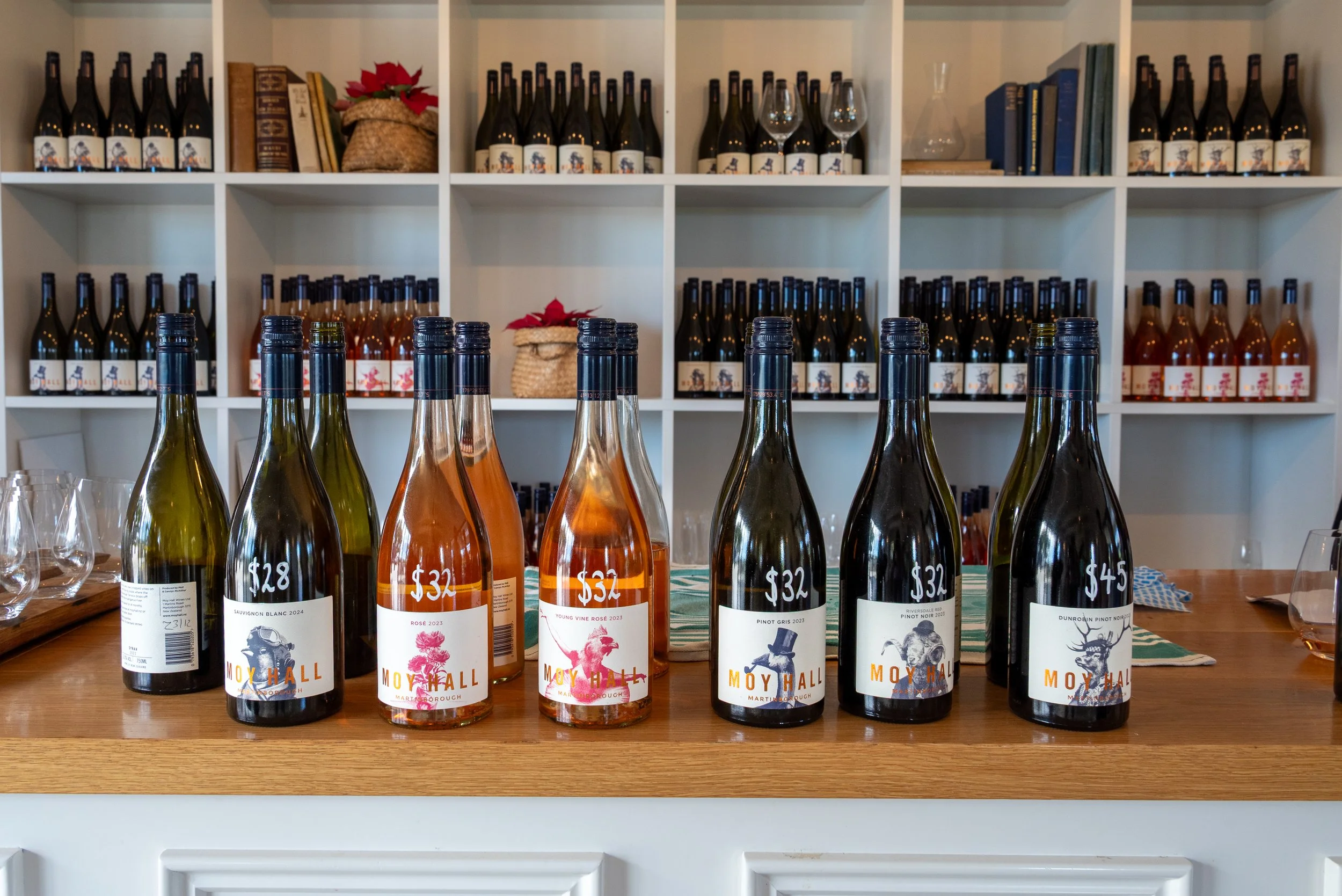
Moy Hall’s portfolio reflects both classic varietals and the region’s willingness to explore diversity. Their small, estate-grown wines are handcrafted with a focus on honest expression rather than volume. Highlights include:
• Sauvignon Blanc – Bright, fresh, and varietally expressive, often with passionfruit, citrus, and mineral notes that speak to the Martinborough terroir.
• Pinot Noir – Medium-bodied and elegant, with red fruit, spicy undertones, and regional earthiness.
• Rosé – A dry style blending Pinot Noir and Syrah fruit, noted for its freshness and lifted floral nuances.
• Riesling and Pinot Gris – Crisp and bone-dry expressions that showcase citrus, green apple, and minerality, perfect for warm afternoon tastings.
• Syrah and Viognier – Less common locally but demonstrating Moy Hall’s commitment to exploring varietal breadth within the Martinborough climate.
A highlight of any visit is the on-site restaurant, housed in a charming longhouse that feels both convivial and rooted in place. The menu evolves with the season, focusing on fresh, locally sourced ingredients—think Wairarapa lamb, garden greens, seafood, and creative share plates designed to complement Moy Hall’s wines. Lunch here is an experience as much as a meal: relaxed, sociable, and often extending over multiple courses and glasses. Outdoor seating on sunny days amplifies the vineyard ambiance, while the interior offers a cozy escape in cooler weather. The plates on the menu were large and sharable, all extremely tasty and incredibly fresh.
The Runholder
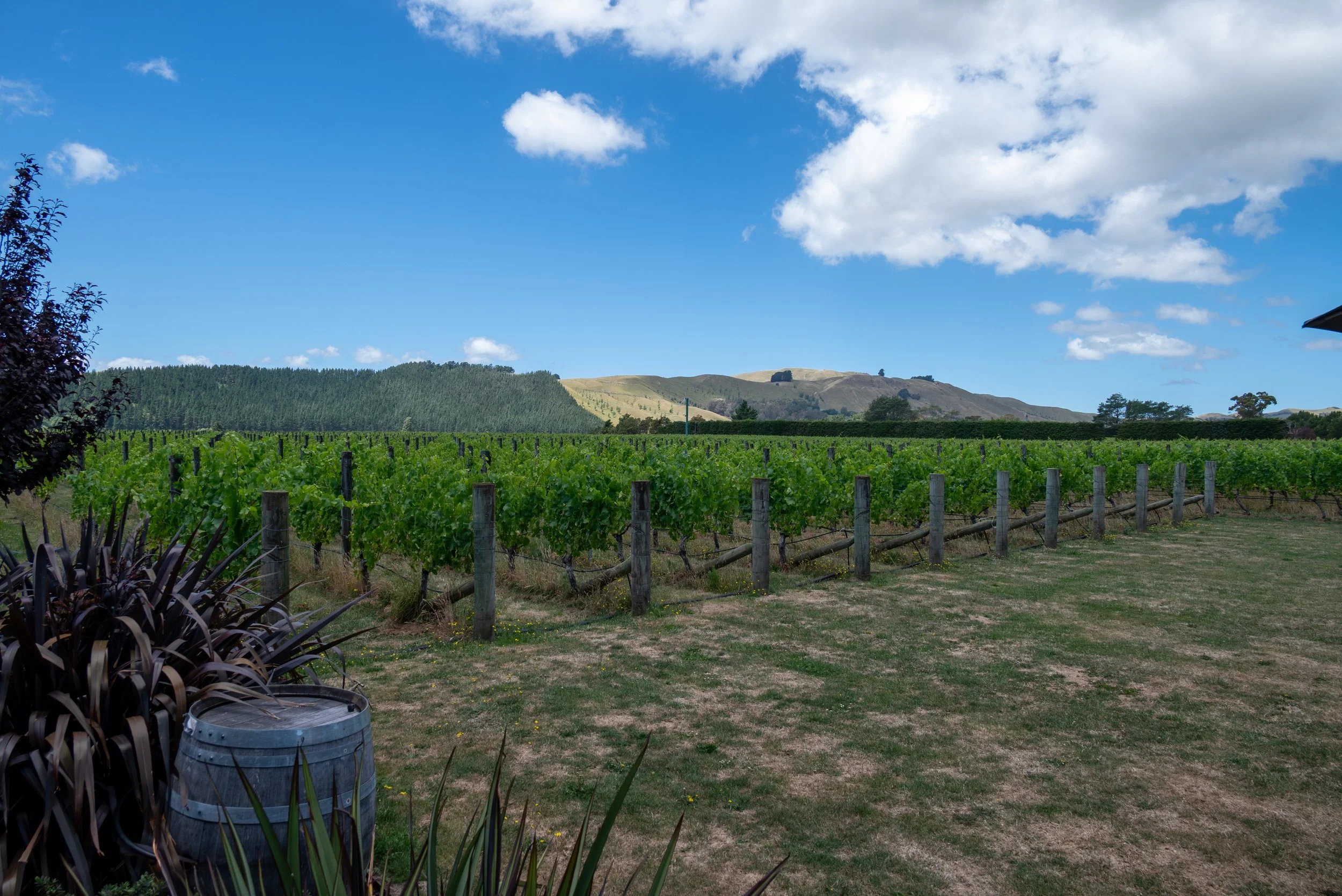
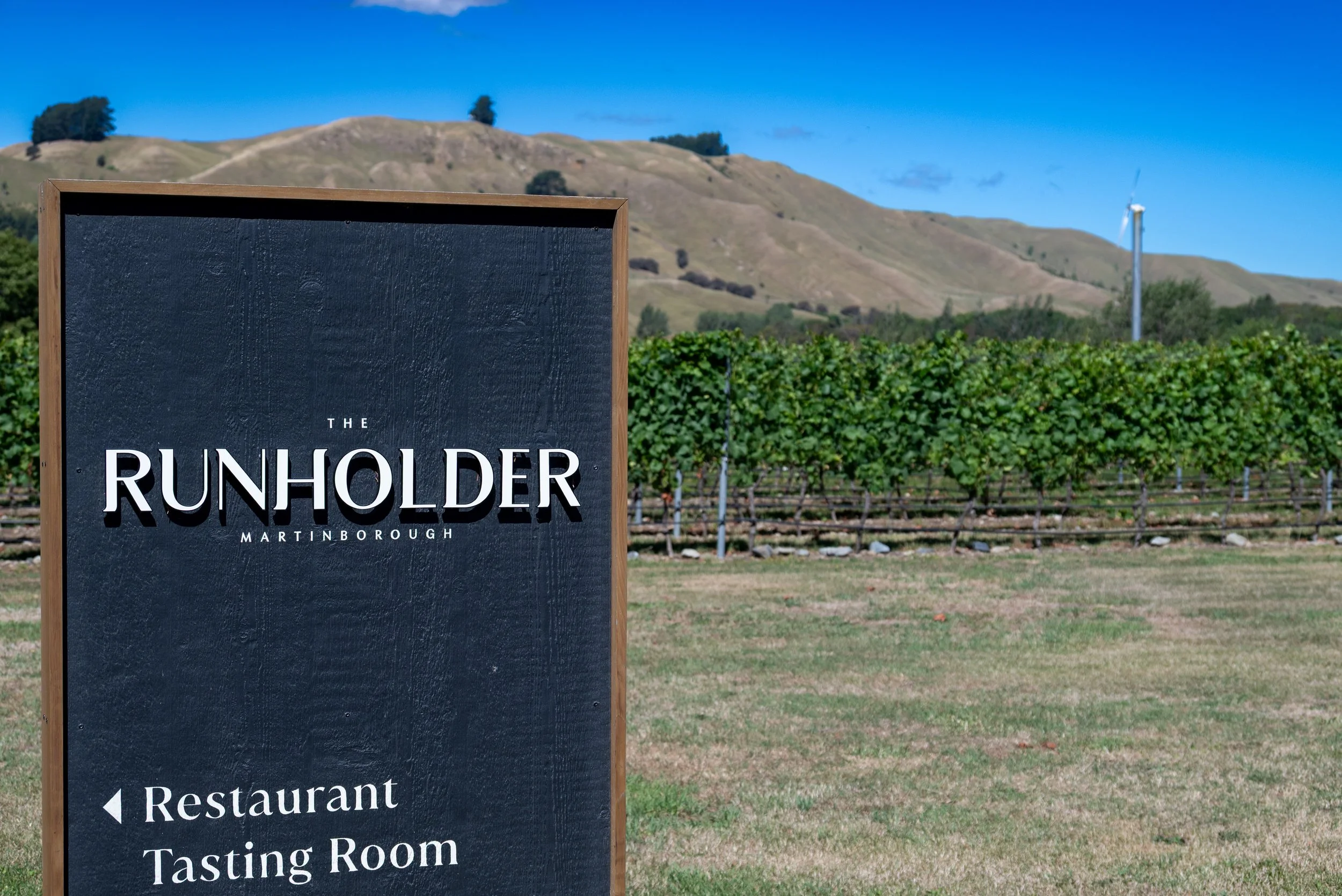
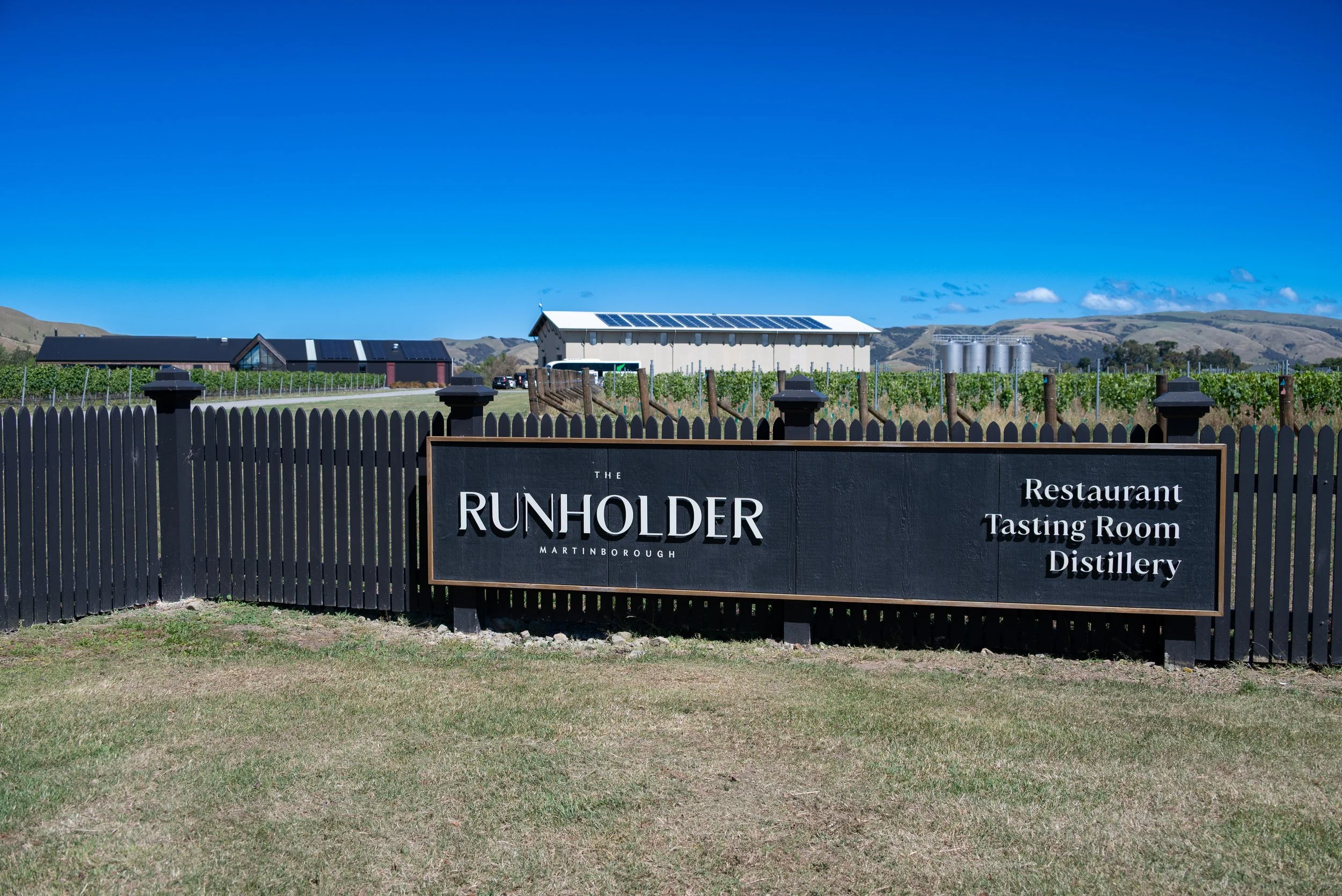
On the edge of Martinborough’s famous Terrace, where long rows of Pinot Noir vines ripple across ancient gravel soils, a striking destination has taken shape — one that tells the story of this boutique New Zealand wine region while inviting visitors to stay awhile. The Runholder is more than just a cellar door. It’s a gathering place where history, world-class wines, creative spirits, and seasonal cuisine come together under one expansive roof.
The name “The Runholder” pays homage to the land’s pastoral roots. In the 19th century, the terrain that today produces some of Martinborough’s most respected wines was home to sheep grazing on broad pastures. The term “runholder” itself refers to the early pastoral leaseholders — the pioneering farmers who shaped the region’s agricultural identity long before grapes were planted.
That transformation from farmland to vineyard began in earnest in the early 1980s, when a handful of visionary growers saw in Martinborough’s dry, breezy climate and deep alluvial soils the potential for premium cool-climate wine production. Two of those pioneers were Te Kairanga and Martinborough Vineyard, whose legacy now forms the beating heart of The Runholder.
The Runholder is a relatively recent development — unveiled in stages beginning in 2023 — but it stands on historic foundations. Te Kairanga planted vines on this land in 1984, while Martinborough Vineyard laid down Wairarapa’s first Pinot Noir plantings in 1980, helping shape the region’s international reputation for refined, terroir-driven wines. Today, both wineries continue to craft distinctive bottles that reflect Martinborough’s character, and they share that creative space with visitors at The Runholder. The name itself is a nod to the farming heritage of John Martin — Martinborough’s founder — whose original landholdings now host these vines.
The Wines + Gin!
At The Runholder’s cellar door, visitors can explore an extensive range of wines from Te Kairanga and Martinborough Vineyard side by side. Tastings and flights highlight the best the region has to offer, from crisp Sauvignon Blanc and textured Pinot Gris to elegant Chardonnay and, of course, classic Pinot Noir.
Standout among these is the Te Kairanga Runholder Pinot Noir, crafted from grapes sourced from the estate’s Home and McLeod vineyards, planted on the original land holdings.
• Runholder Pinot Noir (Te Kairanga): Red cherry and berry fruit with floral lift, savoury spice, fine tannins, and bright acidity. Classic Martinborough balance; approachable now with short-term aging potential.
• Runholder Chardonnay: Barrel-fermented and textural, showing stone fruit, subtle oak, and mineral tension without heaviness.
• Martinborough Vineyard Pinot Noir (Home Block): Traditionally structured, deeper and more savoury, reflecting some of the region’s oldest Pinot plantings.
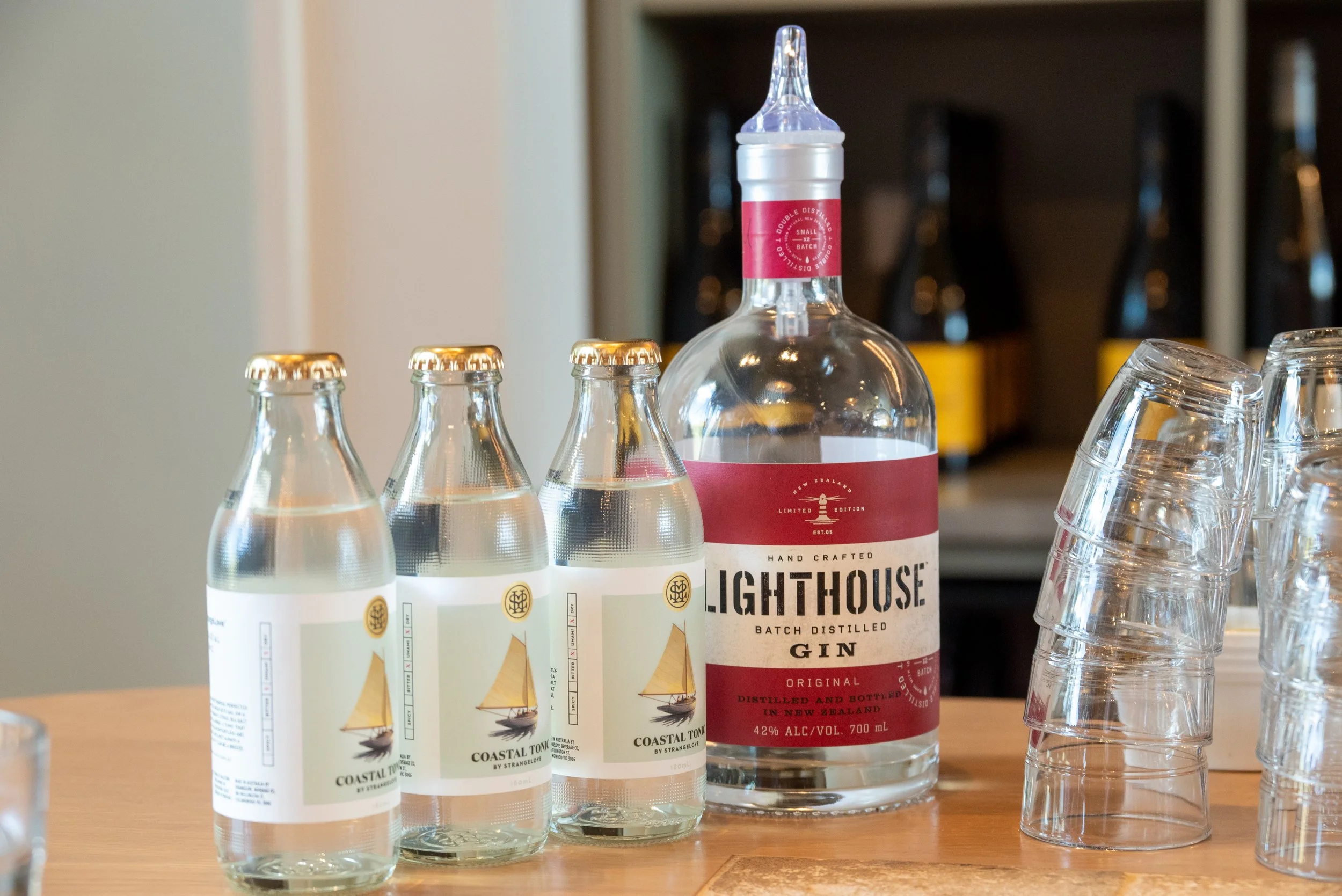
The Runholder experience extends beyond wine. Housed within the same complex is Lighthouse Gin, New Zealand’s original craft gin, where guests can taste three distinct expressions — Original, Navy Strength, and Barrel-Aged — and even watch distiller Rachel Hall at work in the open-plan distillery space.
For food lovers, the restaurant at The Runholder delivers local fare with finesse. Seasonal menus draw from Wairarapa’s abundant produce, aiming to complement the wine list with dishes that range from share plates and charcuterie to more substantial lunches and dinners. Many visitors highlight the relaxed yet refined dining experience with panoramic views across the vineyards — a perfect pairing with the estate’s wines and gins.
Across the expansive tasting room, cellar space, and outdoor terraces, The Runholder accommodates long lunches, after-work drinks, and celebrations alike, all framed by the effortless beauty of Martinborough’s countryside.
The Runholder represents a bold vision for how wine tourism can be done in New Zealand’s boutique regions — respectful of history, rooted in place, and welcoming to all. Its blend of pioneering wine heritage, quality gastronomy, craft gin, and panoramic vineyard views creates a destination that feels both authentic and contemporary. Whether you’re stopping in for a tasting flight, planning a long lunch, or picking up bottles to enjoy back home, The Runholder offers a comprehensive and memorable Martinborough experience — one that honors the land’s past while celebrating the vibrant viticultural future unfolding across Wairarapa’s rolling hills.
Martinborough Winery Roundup
Base Camp: Martinborough Village Square
Most wineries below are reachable by bike or a short drive, making this one of New Zealand’s most approachable wine regions.
North of the Village (Gravel Terrace Core)
● The Runholder
Modern hub for historic producers
A comprehensive stop featuring wines from Te Kairanga and Martinborough Vineyard. Ideal for understanding regional Pinot Noir styles in one place. Excellent food and relaxed tasting flights.
● Ata Rangi
Iconic, world-class Pinot Noir
One of New Zealand’s most respected wineries. Elegant, age-worthy wines with a strong focus on terroir and sustainability.
East of the Village (Boutique & Benchmark Producers)
● Moy Hall Vineyard
Relaxed vineyard stop with seasonal dining
Balanced Pinot Noir, refined whites, and a welcoming cellar door that encourages lingering. Ideal for a long lunch among the vines.
● Dry River Wines
Cult-status, serious wines
Structured, complex Pinot Noir and whites with strong cellar potential. Tastings are typically seated and focused.
South & Southwest (Classic Martinborough Loop)
● Palliser Estate
Polished, consistent, and approachable
A great introduction to Martinborough styles, offering Pinot Noir, Chardonnay, and Sauvignon Blanc with food options on site.
● Tirohana Estate
Boutique elegance with depth
Smaller production wines with attention to detail, often appealing to Pinot lovers looking for nuance.