New Zealand Wine Country: A Region-by-Region Guide to One of the World's Most Exciting Wine Nations
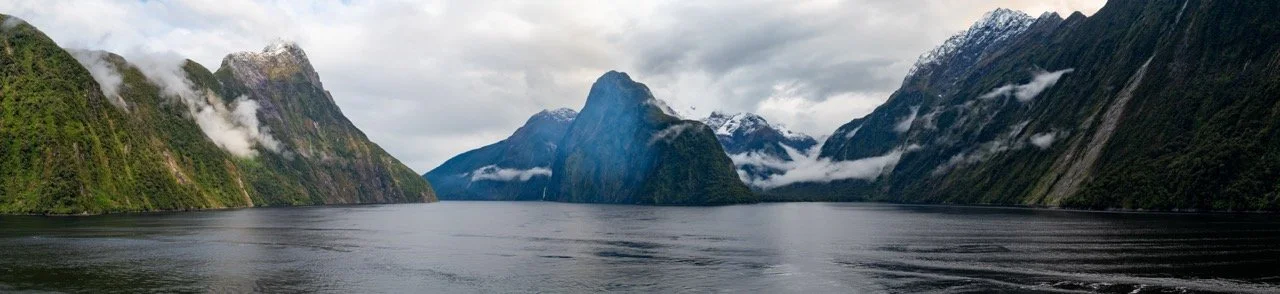

Greetings friends and Happy New Year! 2025 was an amazing year and brought with it my 40th trip around the sun! As a surprise, my lovely wife scheduled us a trip down to New Zealand for a cruise and all the wine tasting I could handle! While I’ve studied and dabbled in NZ wine, I was finally able to get boots on the ground and visit some of the top wine regions, experience the terroir, meet the wine makers, and taste the incredible vino that isn’t exported out of the country. The next few articles will showcase the different regions, and the lovely wineries I was able to visit in my short time there. Follow along and get to know some amazing wineries, while hopefully getting inspired to plan your own trip down under!!
A quick introduction to New Zealand Wine
New Zealand may be the youngest wine nation by global standards, but in just a few decades it has earned a place among the world’s most respected producers. Defined by pristine landscapes, cool maritime climates, and a deep commitment to sustainability, New Zealand wines are celebrated for their purity, precision, and unmistakable sense of place. From vibrant whites to elegant reds, the country consistently delivers wines that feel both modern and timeless. Modern winegrowing in New Zealand began in the early 19th century, mostly from immigrants of Croatia, but the industry remained relatively small until the late 20th century. The turning point came in the 1970s and 80s, when Sauvignon Blanc from the South Island stunned international critics with its intensity and freshness. That breakthrough reshaped global perceptions of the grape and propelled New Zealand onto the world stage. Since then, the industry has expanded rapidly, driven by innovation, quality-focused viticulture, and a willingness to challenge tradition.
New Zealand’s success is rooted in its environment. The country’s wine regions span both the North and South Islands, offering striking diversity within a compact geography. Cool-climate conditions dominate, preserving acidity and aromatics while allowing grapes to ripen slowly. Long daylight hours during the growing season enhance flavor development, while maritime influences temper extremes of heat and cold. The soils, often volcanic and geologically complex, range from gravel and clay to limestone and schist, contributing to wines that are expressive, vibrant, and balanced.
Among New Zealand’s many regions, several stand out for their international impact. Marlborough is the country’s most famous, synonymous with Sauvignon Blanc that bursts with citrus, passionfruit, and herbaceous notes. It is the region that introduced New Zealand wine to the world. Further south lies Central Otago, the world’s southernmost major wine region. Its continental climate produces Pinot Noir of remarkable depth, combining dark fruit, spice, and minerality with elegance and structure. On the North Island, Hawke’s Bay stands apart as the country’s oldest and warmest wine region. Known for Bordeaux-style blends, Syrah, and refined Chardonnay, it demonstrates New Zealand’s strength beyond aromatic whites. Smaller but influential regions also play an important role. Martinborough has earned a global reputation for Pinot Noir inspired by Burgundy, often savory and complex. Gisborne, often called “Chardonnay Country,” produces rich yet balanced expressions of the grape, shaped by its sunny coastal climate.
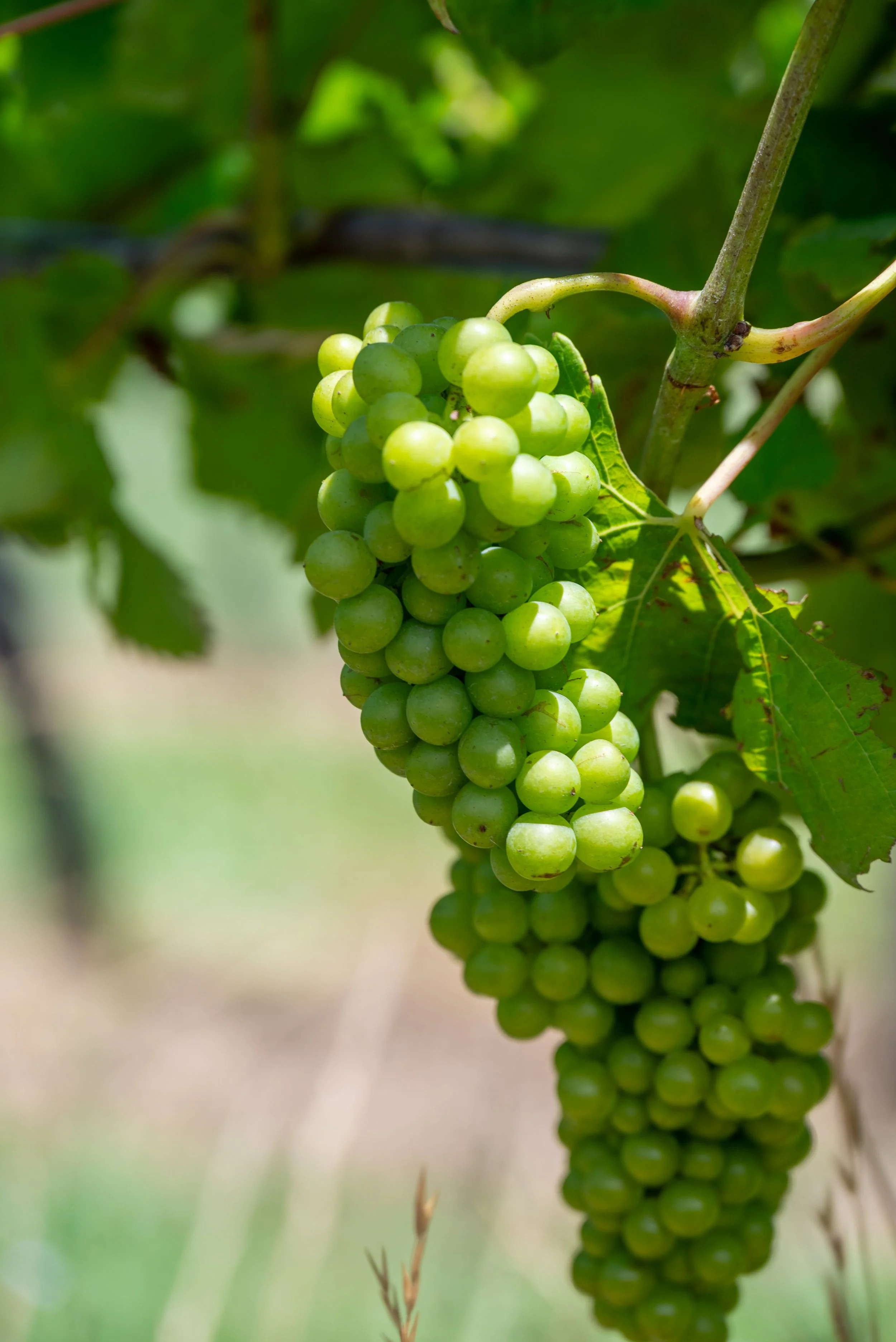
Sauvignon Blanc remains New Zealand’s flagship variety, defined by its vivid aromatics, razor-sharp acidity, and unmistakable freshness. Pinot Noir has become the country’s most celebrated red, particularly in cooler regions, where it balances fruit intensity with finesse. Chardonnay is enjoying renewed attention as producers emphasize restraint, texture, and minerality over heavy oak. Syrah, especially from Hawke’s Bay, delivers pepper, dark berries, and floral notes reminiscent of Northern Rhône styles. Aromatic varieties such as Riesling, Pinot Gris, and Gewürztraminer also thrive, producing expressive, food-friendly wines across dry to off-dry styles. Theres also a few surprises found around the country, such as delicious Albariño and Montepulciano. I’ll get into those when discussing the wineries that make them!
Sustainability is not a trend in New Zealand—it is a foundation. Most vineyards are certified under the Sustainable Winegrowing New Zealand program, and many producers go further, embracing organic or biodynamic practices. Minimal-intervention winemaking, water conservation, and biodiversity protection are common across regions. This environmentally conscious approach aligns with New Zealand’s clean, green image and contributes directly to the clarity and purity found in its wines. New Zealand wines are distinguished by their clarity of flavor and regional transparency. They consistently express where they come from, offering bright acidity, precision, and balance across a wide range of price points. Their freshness and structure make them exceptionally food-friendly, pairing naturally with seafood, lamb, Asian-inspired cuisine, and seasonal produce. Today, New Zealand wines are exported to more than 100 countries and regularly earn top scores from international critics. While Sauvignon Blanc remains the most recognizable style, Pinot Noir, Chardonnay, and Syrah continue to elevate the country’s reputation, proving that New Zealand is far more than a one-grape success story.