Sun, Soil, and Syrah: Discovering Hawke’s Bay
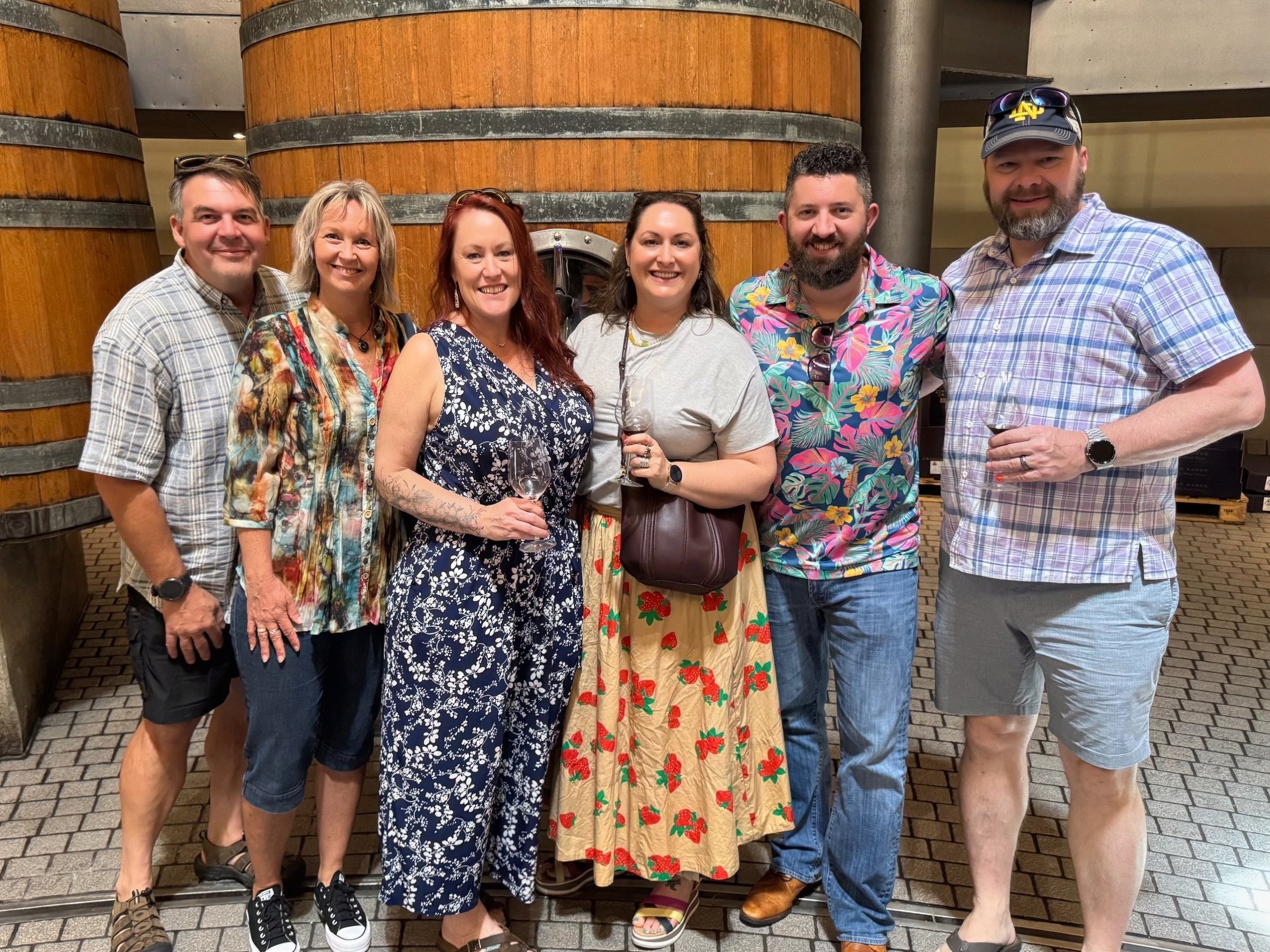
Our 2nd wine stop of our New Zealand vacation brought us to the city of Napier, a beautiful town on the coast of Hawke’s Bay. Napier is famous for its Art Deco architecture and style, as most of the downtown looks like it came straight out of The Great Gatsby. The entire area feels reminiscent of old New York boardwalks and beaches, but if you drive 15 minutes inland, some of the best wine New Zealand has to offer! My wife has an old friend who agreed to meet us there and along with her husband and two of their local friends, they showed us an incredible day at some of their favorite places.
Wine arrived in Hawke’s Bay in 1851, planted by French missionaries near what is now Napier. Those early vines set the tone for a region that would grow steadily rather than explosively. While other parts of New Zealand later gained international attention for bright, aromatic whites, Hawke’s Bay quietly focused on structure, balance, and wines built to last. Geologically, Hawke’s Bay is fascinating. Earthquakes, ancient riverbeds, and shifting coastlines created an unusually wide range of soil types within a relatively compact area. Gravel, sand, clay, limestone, and silt all appear here—sometimes within a short drive of one another. This diversity is one of the region’s greatest strengths, allowing different grape varieties to shine in different pockets of the area.
Hawke’s Bay enjoys one of the warmest and sunniest climates in New Zealand, with long growing seasons that allow grapes to ripen fully. But this warmth is balanced by cooling influences from the Pacific Ocean, especially in coastal areas. That combination—sun plus moderation—means wines with ripe fruit flavors, fresh acidity, and clear structure rather than heaviness. It’s a climate particularly well suited to red varieties and richly textured whites, and the local winemakers have leaned into that advantage with confidence.
The Hawke’s Bay wine region may look simple on a map, but its personality comes alive when you explore its subregions.
Gimblett Gravels - Gimblett Gravels is the most famous name in the region, and for good reason. Defined by deep, free-draining gravels left behind by an ancient river, these vineyards force vines to work hard. The payoff is intensity and focus. Wines from Gimblett Gravels—especially Bordeaux-style blends and Syrah—are structured, concentrated, and often capable of aging for many years.
Bridge Pa Triangle - Just west of Gimblett Gravels, Bridge Pa Triangle offers slightly richer soils and a warmer profile. The wines here tend to be plush and generous but still well balanced. Chardonnay from Bridge Pa often combines ripe fruit with restrained oak, making it a regional standout.
Te Awanga - Along the coast, Te Awanga feels distinctly maritime. Sea breezes moderate temperatures, and the wines reflect that freshness. Chardonnay, Syrah, and Rosé from this area often show elegance, brightness, and a subtle saline edge.
Esk Valley - Cooler and hillier, Esk Valley produces wines with lifted aromatics and complexity. This area is especially well suited to aromatic whites and expressive Syrah.
Hawke’s Bay is often described as New Zealand’s red wine capital, and that reputation is well earned. Cabernet Sauvignon, Merlot, Malbec, and Cabernet Franc thrive here, particularly on gravelly soils. These wines tend to be structured rather than flashy, with dark fruit, firm tannins, and excellent aging potential. Hawke’s Bay Syrah is one of the country’s signature styles, much like Sauvignon Blanc is to Marlborough. It’s typically medium-bodied, peppery, and aromatic—more restrained and elegant than many New World examples, yet still deeply expressive. Many wine professionals consistently identify Hawke’s Bay as the premier region for Chardonnay in New Zealand. Wines from this area are characterized by notes of stone fruit and citrus, a complex texture, and well-balanced oak integration.
Craggy Range Winery
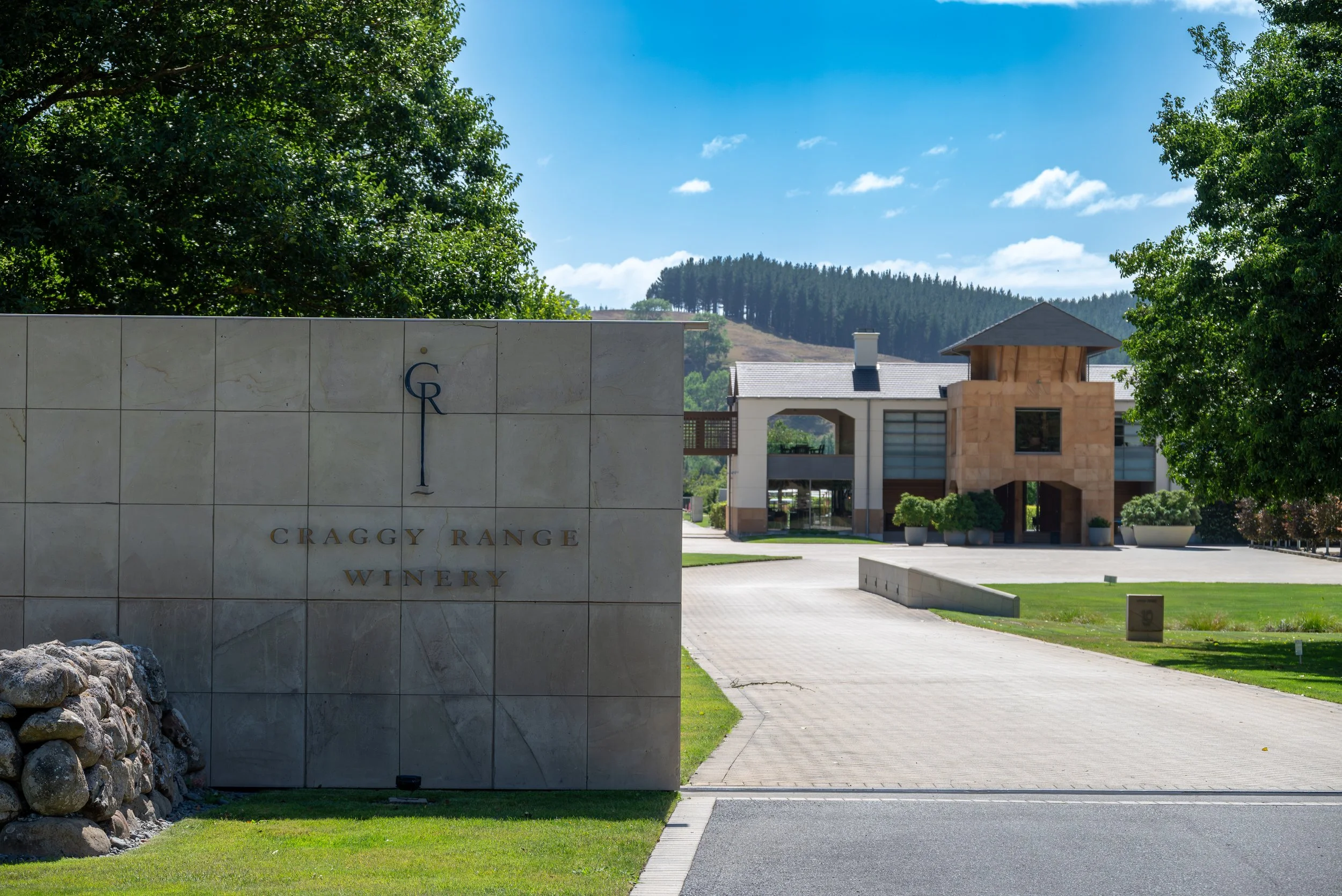
Craggy Range sits in the foothills of Te Mata Peak, with views across Hawke’s Bay’s striking scenery—an area known as one of New Zealand’s top wine destinations. The winery exemplifies what can be achieved through careful site choice and expert winemaking.
Terry and Mary Peabody established Craggy Range in 1998, searching the world for outstanding land to create a top-tier winery. Their quest brought them to the rugged landscape of Hawke’s Bay, where they discovered ideal soil, climate, and scenery to achieve their vision. Right from the start, their mission was clear: produce wines of distinction that truly express the land they come from. To ensure the long-term future of the estate, the Peabody family established a 1,000-year trust, meaning the winery can never be sold and will remain in family hands indefinitely.
Craggy Range sources fruit from some of the best vineyard sites in Hawke’s Bay and beyond, including Gimblett Gravels. In addition to Hawke’s Bay, the estate has vineyards in other premier areas like Martinborough, allowing the winery to produce a diverse spectrum of wines that reflect different terroirs. Wines from Craggy Range are consistently highly regarded, with critics and wine lovers praising their balance, refinement, and sense of place. From intense Bordeaux-style blends to expressive Syrah and elegant Chardonnays, the portfolio captures both power and nuance—qualities that have helped the winery stand out on the international stage.
The winery has also gained international recognition for both its exceptional wines and outstanding hospitality. In 2025, the winery received a global Best of Wine Tourism Award, positioning it among the most prestigious wine destinations worldwide. This honor underscores Craggy Range’s achievements in winemaking, culture, culinary arts, and environmental responsibility.
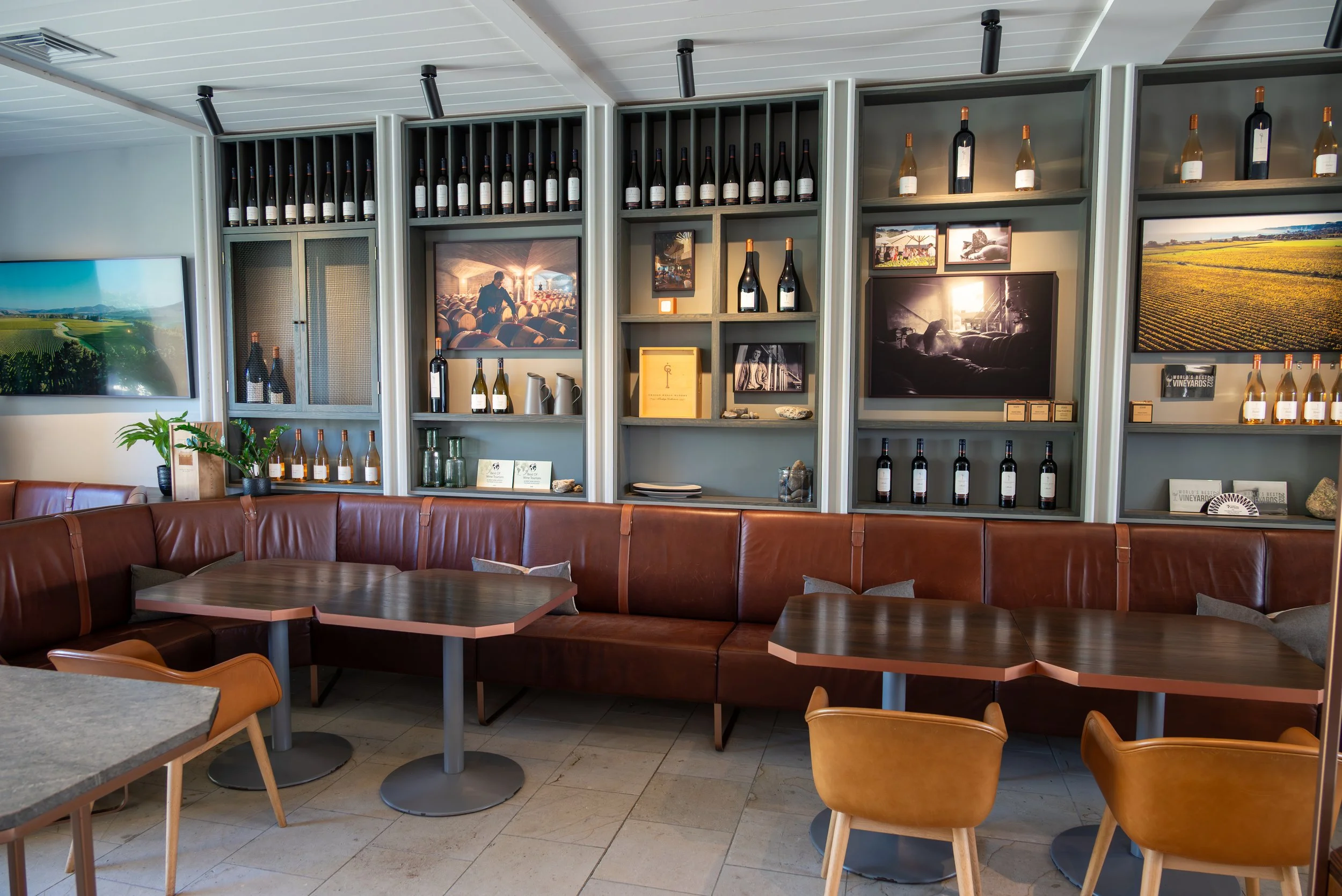
Our visit to Craggy Range was more than a typical tasting, it was an experience. The architecturally striking Giants Winery complex is set against sweeping vineyard views and provides an elegant backdrop for wine tastings that walk you through the estate’s signature bottlings. Napa and Sonoma can be beautiful, but this was a whole new level. There’s a variety of experiences available for guests, such as guided wine tastings with estate wines matched to Hawke’s Bay flavors, as well as more involved activities like touring the vineyards or spending the night on site. With luxurious accommodations set amongst the vines, visitors have the unique opportunity to wake up amid the very landscape that contributes to each bottle of wine. At Craggy Range, food is as important as the wine. Their restaurant features local ingredients carefully matched with wines from their estate, offering a dining experience that highlights the unique tastes of Hawke’s Bay. Guests can enjoy either a stylish lunch or a sophisticated dinner, with the food and wine pairings being a memorable part of their visit.
The Wines 🍷
Sauvignon Blanc – Te Muna
I started with the Sauvignon Blanc, and immediately it felt familiar—but more composed than expected. The nose opened with citrus peel, white peach, and fresh herbs rather than the punchy tropical notes New Zealand is often known for. On the palate, it was crisp and clean, but not sharp. There’s a mineral edge that keeps it grounded, and the acidity feels precise rather than aggressive. I found this to be a Sauvignon Blanc that wants food nearby—something fresh, salty, or herb-driven. This is a Sauvignon Blanc for people who think they’ve had enough Sauvignon Blanc.
Chardonnay – Hawke’s Bay
I always go into a Chardonnay guarded, especially when there’s oak involved, but this one surprised us. The first impression was texture—soft but structured. Notes of stone fruit, lemon curd, and subtle oak came through, but nothing dominated. What stood out most was balance. The oak is present but well integrated, adding depth rather than weight. As it sat in the glass, the wine continued to open, revealing a savory edge that made it even more compelling. Elegant, layered, and very comfortable in its own skin. A wine that rewards patience.
Pinot Noir – Te Muna
This Pinot Noir felt lifted from the start. Aromas of red cherry, raspberry, and dried herbs led the way, followed by a silky, medium-bodied palate. What I appreciated most was the restraint. The fruit never tipped into sweetness, and the oak stayed in the background. There’s an earthiness here that adds complexity and keeps the wine firmly grounded. Graceful and expressive, with just enough depth to keep you coming back to the glass.
Craggy Range Sophia
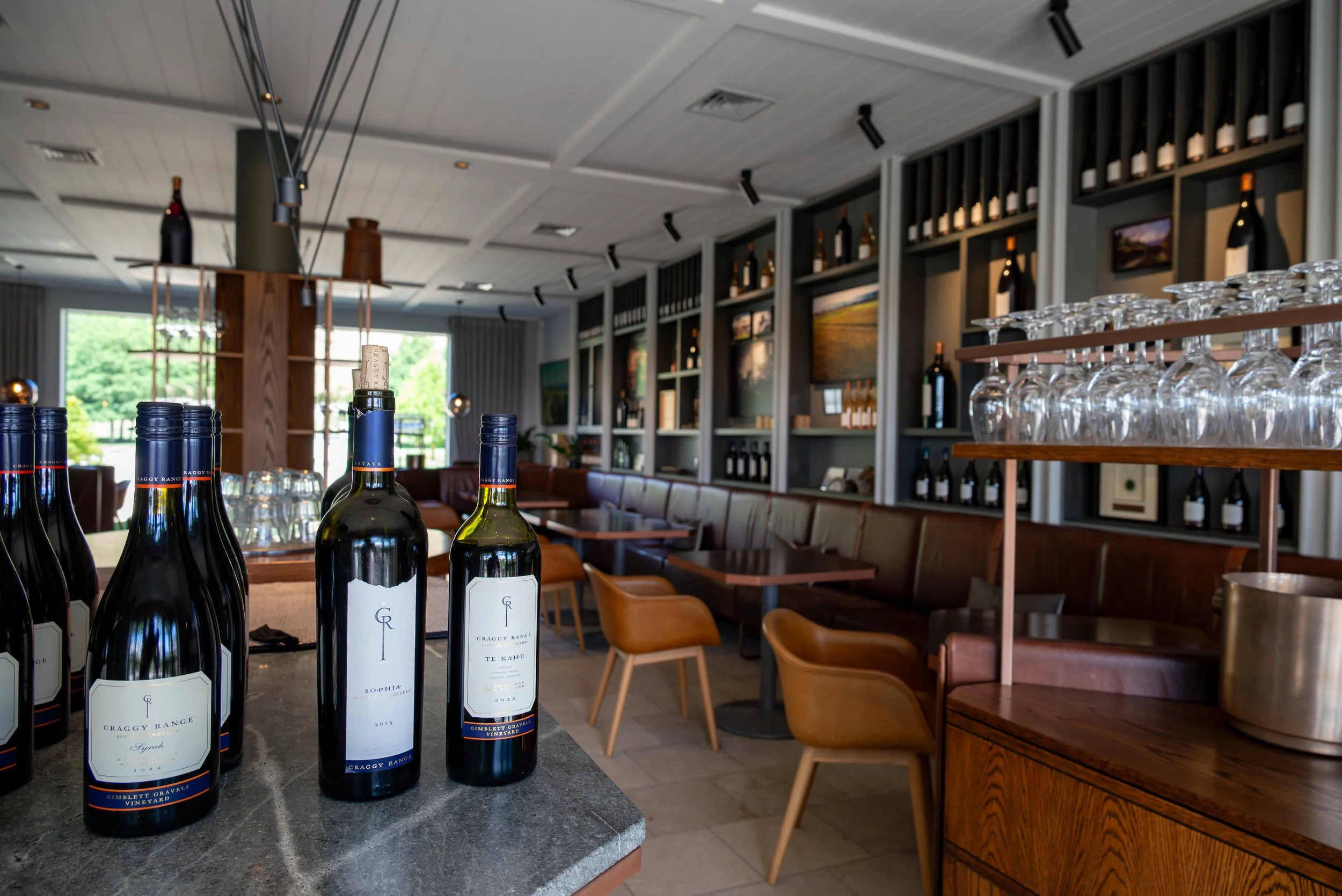
Easily our favorite of the tasting, Sophia is Craggy Range’s flagship Bordeaux-style red blend, made entirely from vines planted on the Gimblett Gravels. The grape composition varies slightly by vintage, but Merlot is always at the heart, supported by Cabernet Sauvignon, Cabernet Franc, and often a touch of Petit Verdot. The initial taste brought a fragrant blend of dark fruits—blackcurrant, plum, and a touch of raspberry—intertwined with hints of cedar, spice, and tobacco. A delicate earthiness evoked the scent of rain-soaked soil, complemented by subtle mocha oak that balanced perfectly with the fruit flavors. The Merlot gives the wine a plush core of fruit, juicy yet refined, while the Cabernet components add a backbone of structure and vivid acidity. Tannins were fine-grained and well-integrated, providing support without drying the palate.
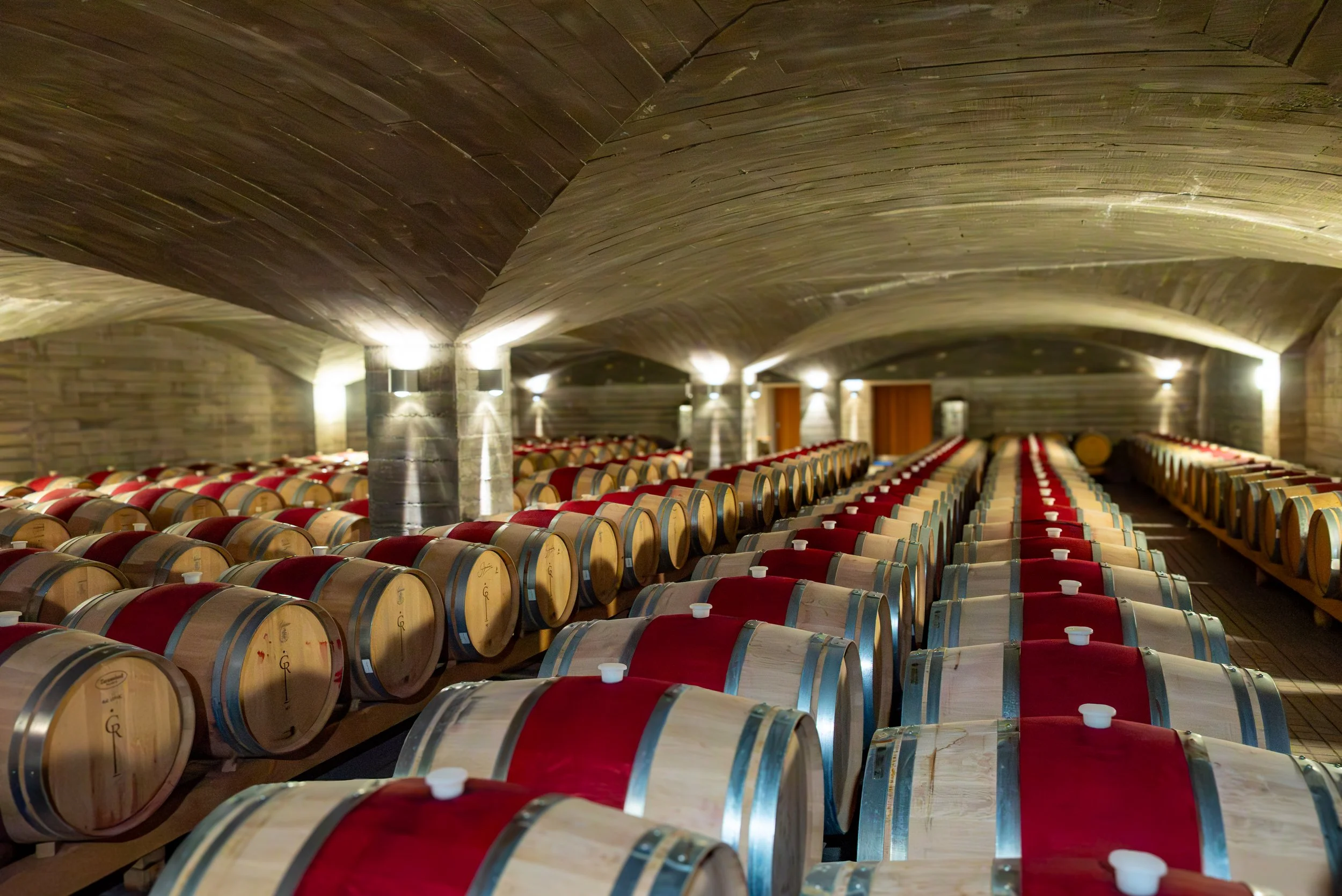
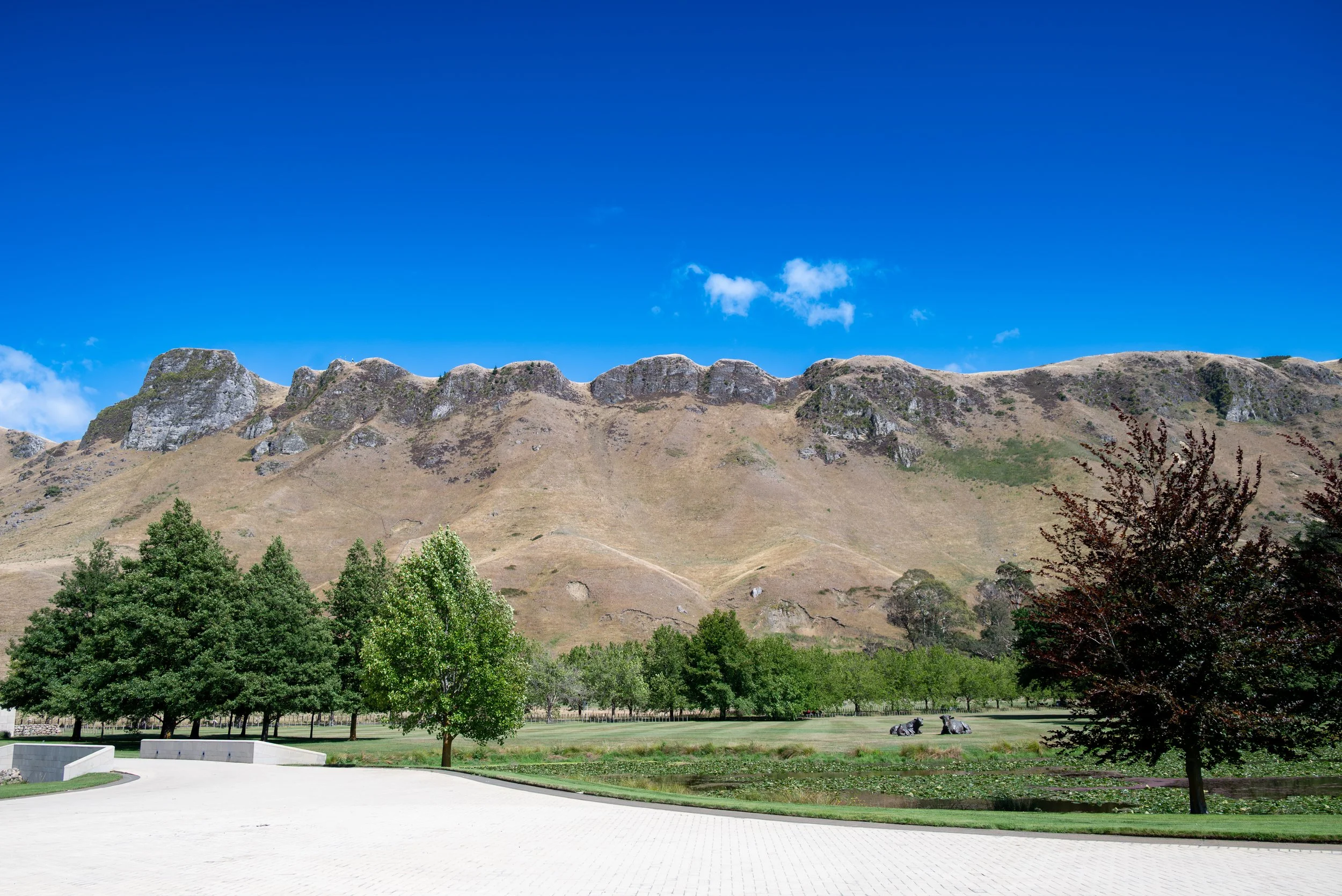
Te Mata Estates
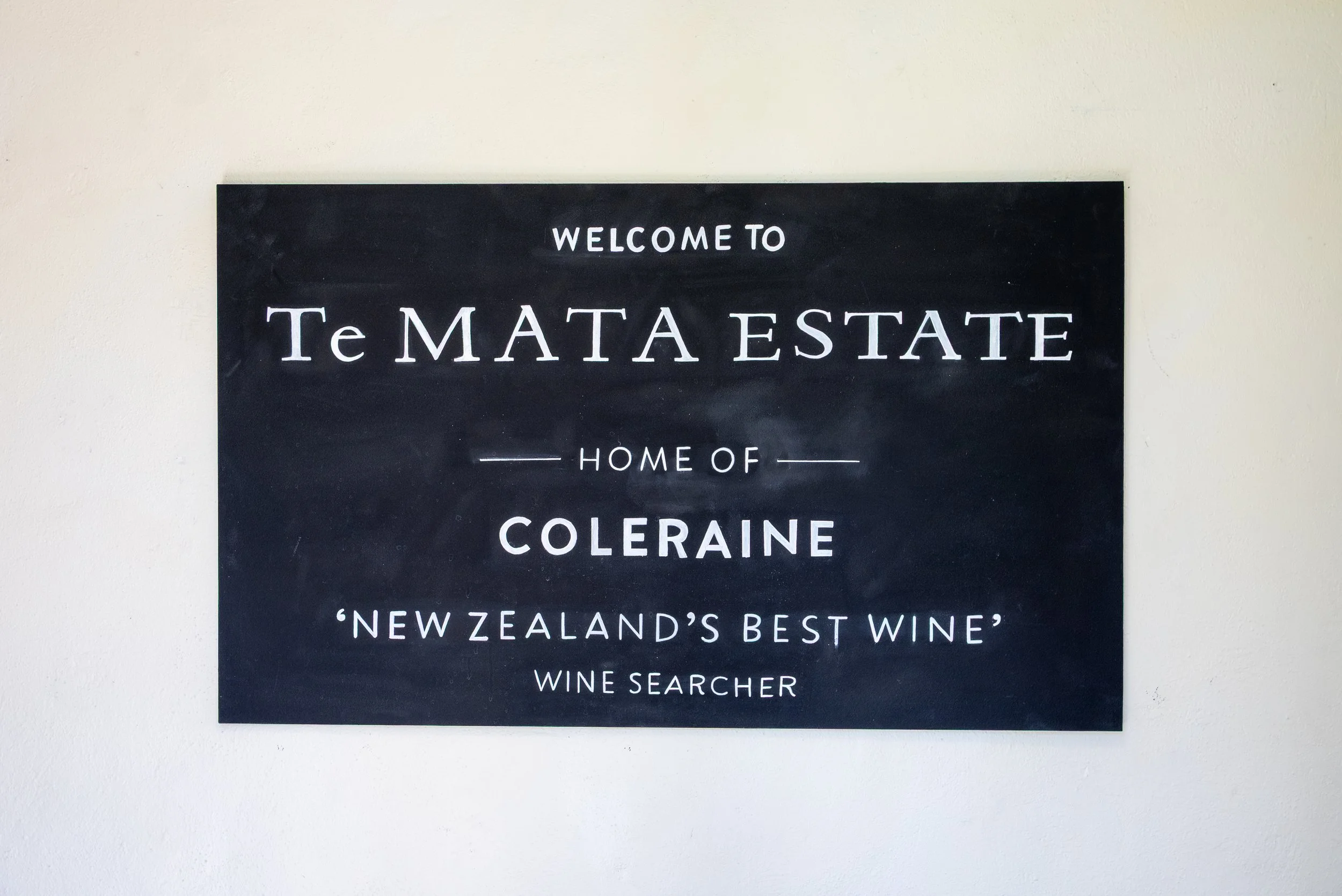
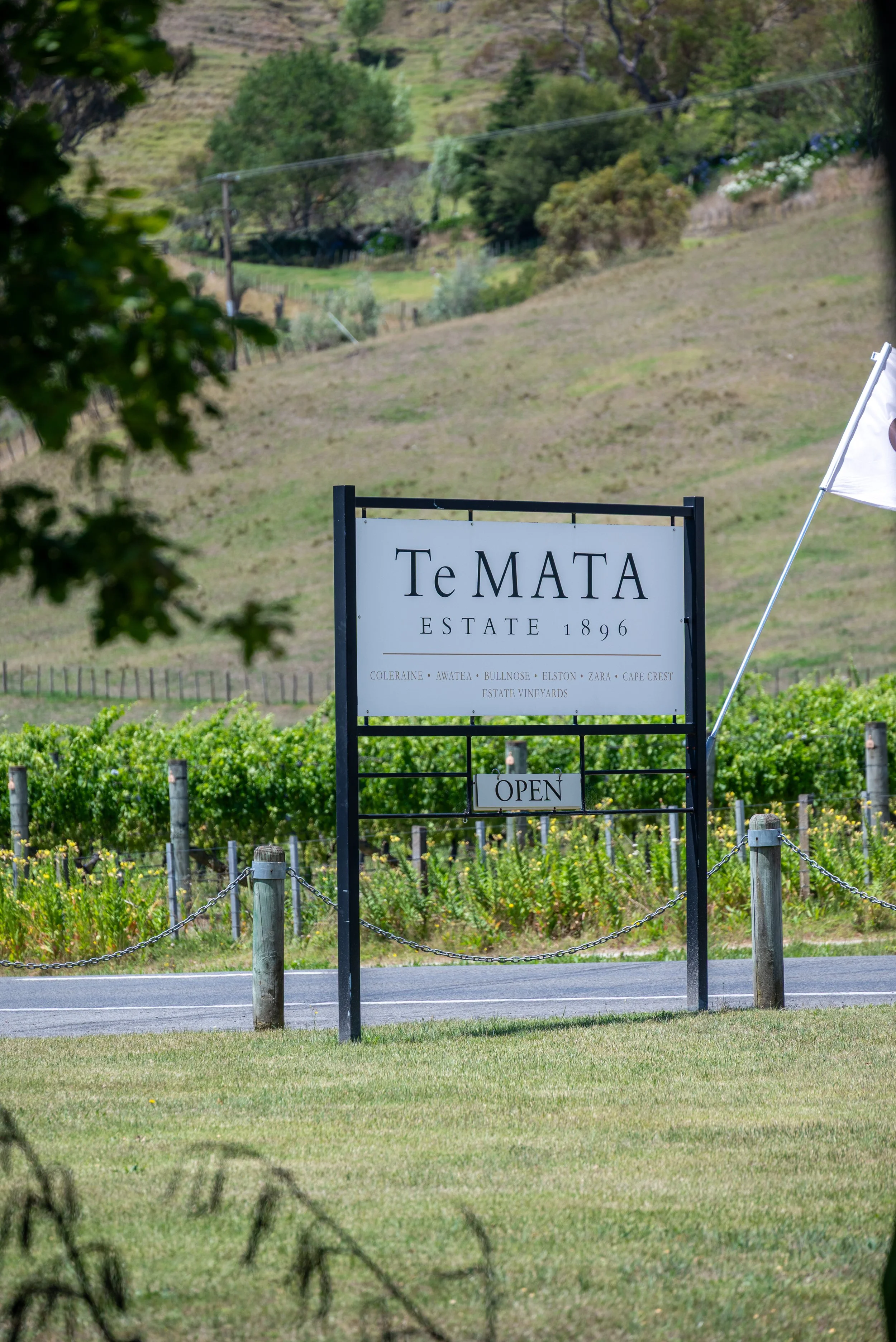
Te Mata Estate isn’t just another winery in Hawke’s Bay — it’s the winery that helped define Kiwi fine wine. Established in 1896, Te Mata holds the distinction of being the oldest continuously operating commercial winery in the country, and its legacy still shapes the character of New Zealand wine today. Te Mata Estate’s roots go back to the late 19th century, when the Chambers family planted vines on north-facing slopes in the Havelock Hills near Havelock North. Those early vineyards, some first planted in the 1890s, are still part of the estate’s heart, and the winery buildings remain in use on the same site where generations have made wine by hand. Today, the estate is owned and run by the Buck family, whose stewardship spans decades and multiple generations. John Buck, a former chairman of the Wine Institute of New Zealand and a member of the New Zealand Wine Hall of Fame, played a key role in shaping Te Mata’s reputation as a producer of serious, classic wines.
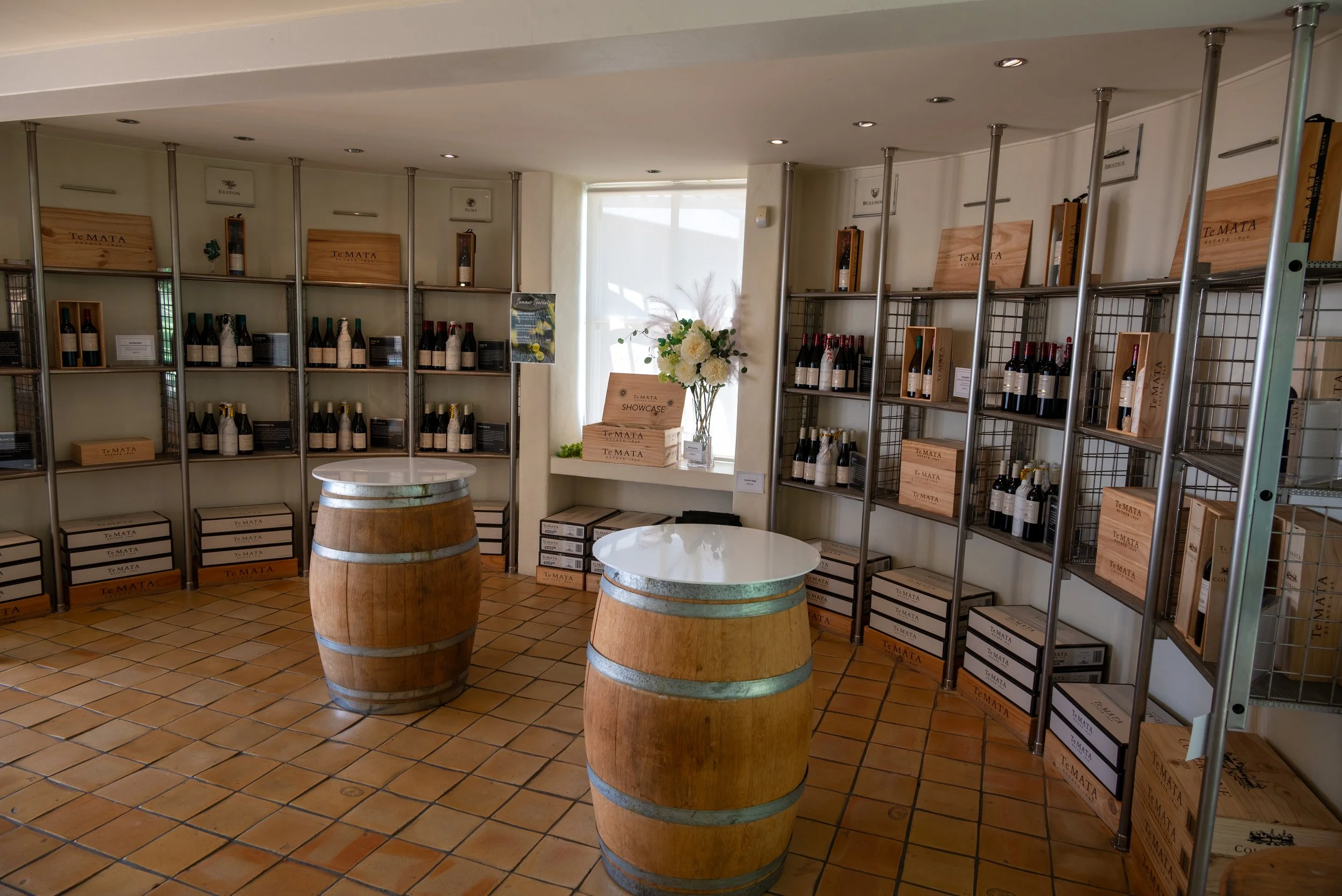
The winery has earned global accolades and is often described as part of New Zealand’s “wine aristocracy.” Its Coleraine and Bullnose Syrah have appeared on top wine lists around the world, and the estate itself has been classified as an “Outstanding Producer” with top scores from leading critics. Coleraine has been lauded not just locally but internationally; certain vintages have been dubbed “wine legends” and even praised alongside classic Bordeaux blends. Unlike some wineries with restaurants or accommodations, Te Mata focuses entirely on wine production and tasting — preserving its identity as a working winery where every step from vine to bottle happens right on site.
The estate’s vineyards span a variety of soil types, from free-draining hill soils to river terrace gravels, allowing different varieties to express themselves distinctly.
The Wines 🍷
Coleraine
The wine offers aromas of blackcurrant, dark plum, cedar, graphite, and tobacco, all well integrated. On the palate, it is balanced with firm yet polished tannins, layered dark fruit, and refreshing acidity. The wine feels composed and powerful without being overwhelming, showing structure and restraint that suggest excellent aging potential.
Awatea Cabernet / Merlot
The wine offered aromas of red and black berries, dried herbs, and a hint of spice. On the palate, it was fresh yet structured, with tannins that were firm but approachable and lively fruit that never felt too heavy. This is clearly a wine made for pairing with food—robust enough to complement a meal, but easygoing enough to enjoy on its own. It’s a well-balanced red that showcases Te Mata’s character without needing extra time to develop.
Bullnose Syrah
The aroma offered notes of black cherry, cracked pepper, violets, and a savory, almost game-like depth that heightened its complexity. Tasting revealed a medium-bodied, polished wine where spice and dark fruit complemented each other seamlessly, rather than overshadowing. There was no sign of over-extraction; instead, balance, vibrancy, and enduring length defined the experience. Spicy and subtly earthy flavors persisted on the finish, lingering well after each taste. Both expressive and graceful, this Syrah appeals to those who appreciate subtlety more than sheer power.
Elston Chardonnay
Stone fruit and citrus flavors were evident in the wine, complemented by a subtle creamy texture and well-blended oak. The wine's most notable quality was its balance—nothing seemed overdone. Bright acidity provided both richness and definition. As the wine warmed, savory nuances developed, enhancing its complexity and appeal.
Cape Crest Sauvignon Blanc
Rather than strong tropical fruit flavors, I tasted hints of citrus, white stone fruits, and delicate herbal accents. Barrel fermentation contributed to a gentle, textured mouthfeel. The acidity was noticeable but mellow, providing structure to the wine without any harshness.
Hawke’s Bay Winery Roundup
Havelock Hills & Te Mata Peak
Historic heart of Hawke’s Bay
Te Mata Estate - New Zealand’s oldest continuously operating winery and a regional benchmark
Style: Classic, structured, age-worthy
Standout wines: Coleraine, Bullnose Syrah, Elston Chardonnay
Black Barn Vineyards - Wide variety, relaxed atmosphere, and wines with personality
Style: Boutique, creative, food-friendly
Standout wines: Syrah, Merlot blends, Sangiovese, Chardonnay
Gimblett Gravels
Power, structure, and red wine authority
(If you’re like me, this is the place to spend time if Cabernet blends and Syrah are your priorities.)
Craggy Range - World-class reds paired with an iconic setting
Style: Polished, terroir-driven
Standout wines: Sophia, Le Sol Syrah, Te Kahu
Trinity Hill - A pioneer of Gimblett Gravels Syrah
Style: Savory, structured, age-worthy
Standout wines: Homage Syrah, Bordeaux blends
Church Road Winery - Depth, consistency, and strong red wine focus
Style: Confident, layered, reliable
Standout wines: Grand Reserve reds
Bridge Pa Triangle
Refined reds and expressive Chardonnay
Sileni Estates - Friendly tastings and dependable quality
Style: Approachable, polished
Standout wines: Merlot blends, Chardonnay
Te Awanga (Coastal Hawke’s Bay)
Freshness, elegance, and ocean influence
Elephant Hill - Ocean views and refined tasting experiences
Style: Elegant, modern, coastal
Standout wines: Chardonnay, Syrah, Bordeaux blends
Clearview Estate - Chardonnay-focused tasting in a relaxed setting
Style: Textural, expressive whites
Standout wines: Chardonnay, Viognier
Napier
Wine, history, and hospitality
Mission Estate - New Zealand’s oldest winery with strong food and wine pairing
Style: Classic, approachable
Standout wines: Cabernet blends, Syrah, Chardonnay