The First Vines to See the Sun: Gisborne, NZ
Located on the eastern edge of New Zealand’s North Island, Gisborne is recognized for its unique position within the wine industry. As one of the first locations globally to witness the sunrise, Gisborne's climate significantly influences both daily life and viticulture in the region. The area's approach to winemaking prioritizes authenticity and a strong connection to the local environment, focusing on the distinctive qualities of its land, community, and natural purity over traditional notions of prestige. Often overshadowed by Marlborough’s Sauvignon Blanc fame or Hawke’s Bay’s Bordeaux blends, Gisborne quietly produces some of New Zealand’s most compelling and distinctive wines. For those willing to look beyond the obvious, this coastal region offers a tasting experience that feels intimate, authentic, and refreshingly grounded.
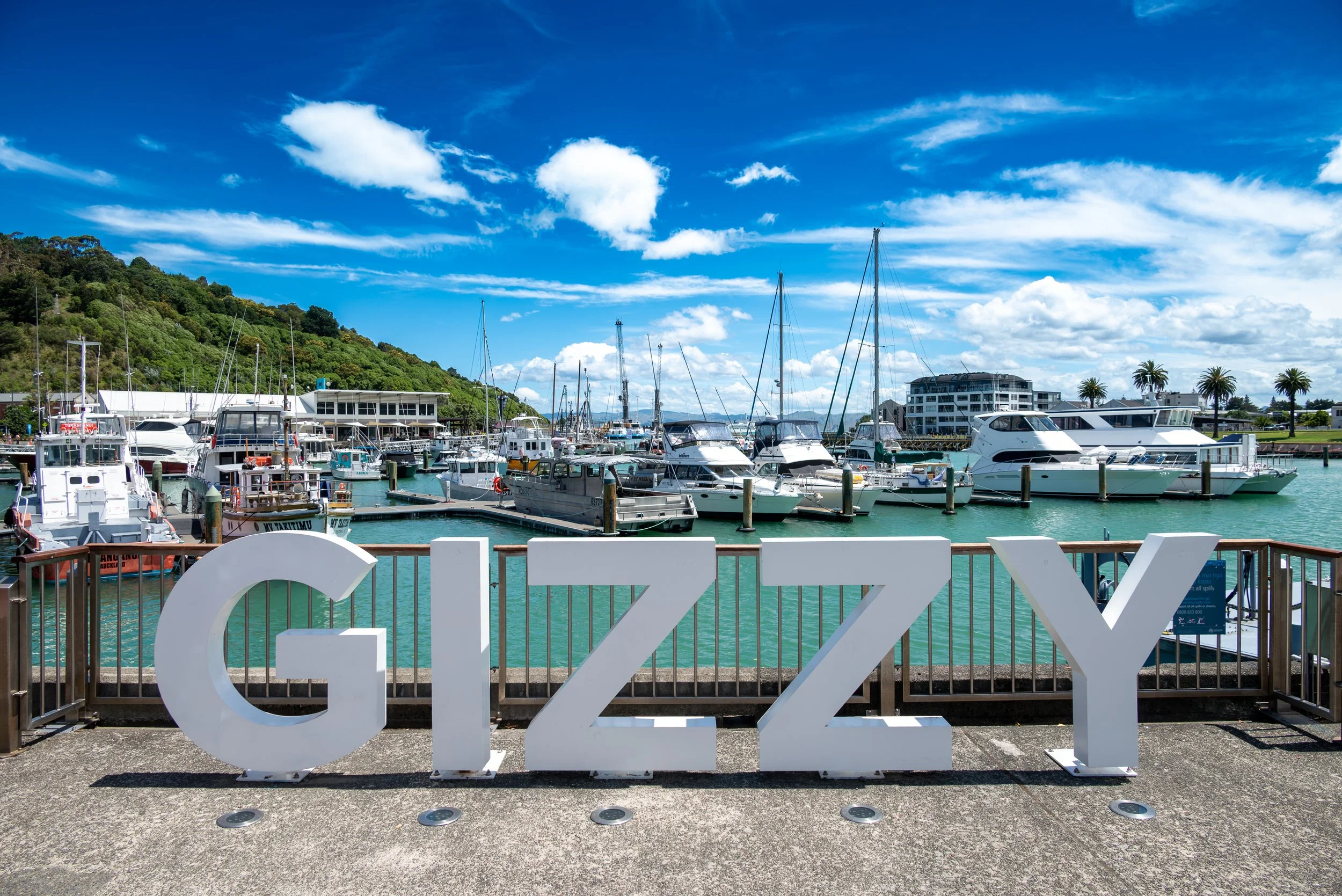
Gisborne’s unique geography plays a key role in its success as a wine-producing area. Vineyards flourish across rich plains close to Poverty Bay, with gentle hills in the background and cool breezes from the Pacific Ocean. These natural features combine to create a warm maritime climate, marked by abundant sunshine and mild temperatures that promote slow and even ripening. Soil also makes a big impact here—much of the land consists of alluvial deposits from rivers, which offer excellent drainage and add mineral depth. This environment supports vigorous vines and produces grapes full of character, ensuring wines stay lively even when fully ripe. As a result, Gisborne wines are known for their generosity, balanced texture, and inviting style without feeling heavy.
Chardonnay is widely regarded as the flagship grape of Gisborne. Over several decades, the region has established a reputation for producing Chardonnay that is both refined and suitable for aging. These wines typically showcase ripe notes of peach, nectarine, and citrus, complemented by subtle oak influence, creamy textures, and pronounced acidity. Gisborne Chardonnay often exhibits characteristics that evoke both the region’s sunlight and maritime influence, contributing warmth, clarity, and vibrancy to the palate. Notably, many exceptional examples of New Zealand Chardonnay originate from this area.
In addition to Chardonnay, Gisborne demonstrates proficiency with aromatic white varieties, including Gewürztraminer, Viognier, Pinot Gris, and Riesling. These wines are notable for their expressive character while maintaining balance and restraint. Alcohol levels are typically moderate, and freshness is a consistent attribute across all styles, further exemplifying the distinct profile of Gisborne’s wine production.
Although Gisborne is recognized for its white varietals, red wine production also plays a significant role in the region’s viticultural landscape. Pinot Noir, Merlot, and Syrah are cultivated in smaller volumes and typically exhibit refined tannins and accessible flavor profiles. Syrah, in particular, benefits from the moderating effect of the coastal climate, expressing notes of pepper, dark berry fruits, and savory characteristics without excessive heaviness. These red wines are well-suited for pairing with food and social occasions, offering an inviting character that encourages continued enjoyment rather than dominating the tasting experience.
A distinctive characteristic of Gisborne lies not only in its wines, but in the people who shape the region. Numerous wineries continue to be family-owned or operate on a boutique scale, fostering a sense of hospitality that is both genuine and personalized. It is not uncommon for winemakers themselves to conduct tastings, sharing insights into both their products and their craft. There is an increasing emphasis on sustainability, with organic and low-intervention practices becoming prevalent—reflecting both environmental stewardship and a commitment to expressing the unique qualities of the land. In Gisborne, wine production is integrated within a broader lifestyle, characterized by the convergence of surf culture, Māori heritage, and established agricultural traditions.
Bushmere Estate
Located in the lush Gisborne wine region on New Zealand’s North Island, Bushmere Estate is a boutique, family-run winery that truly reflects this sun-soaked part of the country. With over forty years of history, the vineyard blends tradition, warm hospitality, and a genuine passion for creating distinctive wines that showcase the unique climate and soil of the region.
Bushmere Estate stands apart from large industrial wine producers thanks to its personal story. Established in the early 2000s by David and Shona Egan, the winery's connection to grape growing in Gisborne spans over four decades—well before boutique wineries became widespread. The estate is named after "Bushmere," the area's historic title seen on old district maps, and its logo features earth, water, and sun: three essential elements for viticulture that highlight why this region is so well-suited to growing grapes. Since day one, Bushmere Estate has made quality a priority over quantity. Their team strives to craft wines that truly capture both the character of the land and the region’s plentiful sunshine, rather than focusing on production volume or broad commercial appeal.
Located at 166 Main Road, Makaraka, just minutes from downtown Gisborne, Bushmere Estate’s vineyard is situated in the Central Valley, a warm and sunlit area within the greater Tairāwhiti/Gisborne region. The proximity of the Pacific Ocean moderates the climate, providing cooling breezes that help maintain acidity and freshness in the grapes. Spanning approximately 17 hectares, the vineyard is primarily dedicated to Chardonnay—the region’s flagship varietal—with additional plantings of Gewürztraminer, Pinot Gris, Viognier, Merlot, Montepulciano, Malbec, and a limited parcel of Sangiovese.
The soil at Bushmere is composed of fertile alluvial loam, which drains well and helps vines develop deep roots and produce flavorful grapes. At Bushmere, sustainable viticulture is practiced through minimal intervention and careful management of soil and pests to ensure healthy growth. The estate’s winemaking approach is to highlight the natural character of the fruit. Fermentation and aging take place in both stainless steel and French oak barrels as needed, blending traditional methods with a fresh, modern style. Most wines are available only at the cellar door or via Bushmere’s direct online sales, emphasizing their commitment to quality and local community over large-scale distribution.
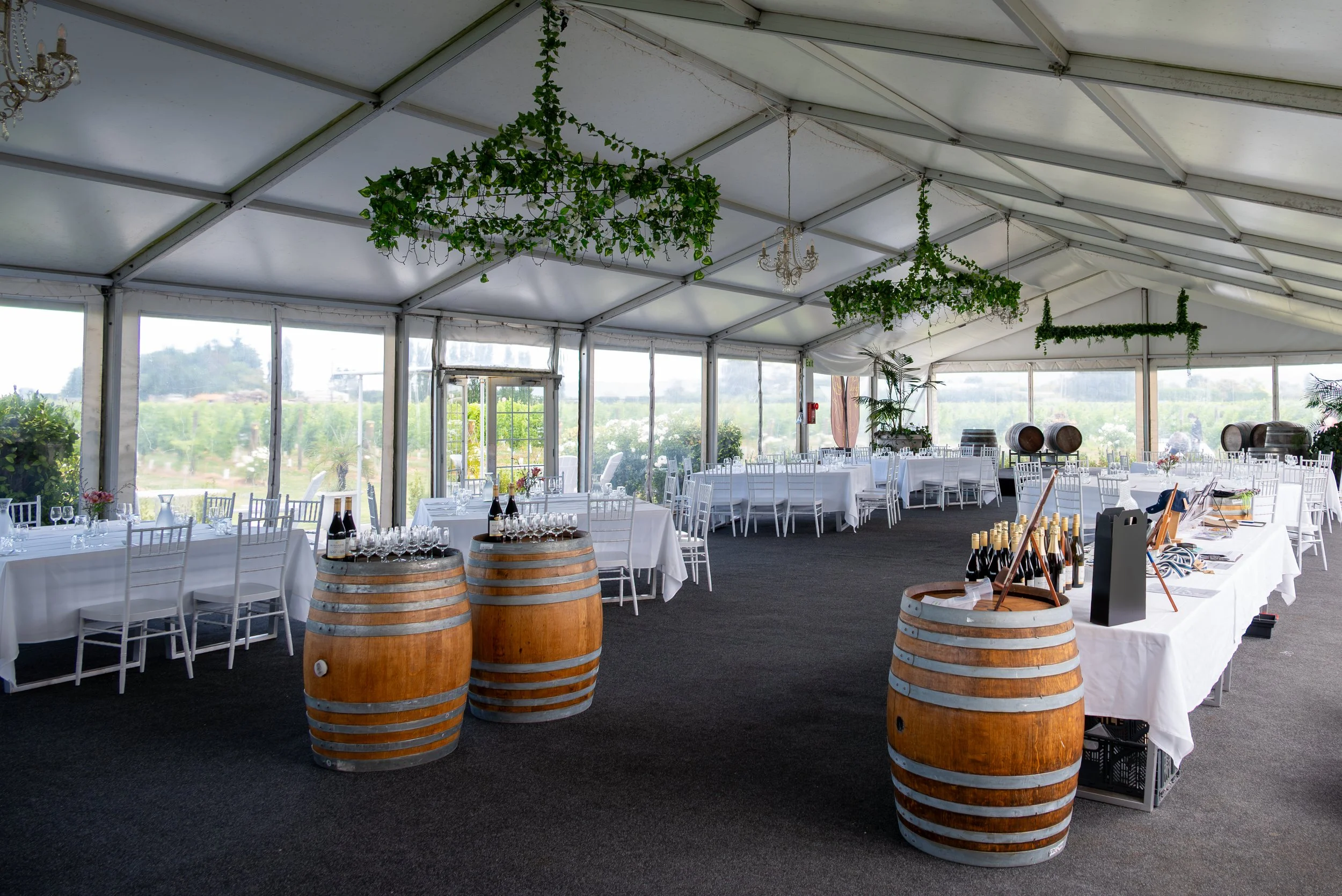
The winery’s cellar door offers panoramic views over the vineyard, and tastings are conducted in a relaxed, informative style that feels both personal and welcoming. A highlight for many visitors is The Vines Restaurant, situated right alongside the vineyard. The restaurant pairs Bushmere’s wines with fresh, locally sourced dishes—from seafood to seasonal produce—providing a full sensory experience of Gisborne’s food and wine culture.
Bushmere Estate’s commitment to sustainability goes beyond the vineyard. As part of New Zealand’s Sustainable Winegrowing program, the estate emphasizes environmentally conscious practices—from water management to minimal chemical use. The winery is also woven into the broader Gisborne community, supporting local events and contributing to the region’s reputation as a destination for food and wine lovers. The estate serves as both a gathering place for locals and a memorable stop for travelers exploring New Zealand’s East Coast wine trail.
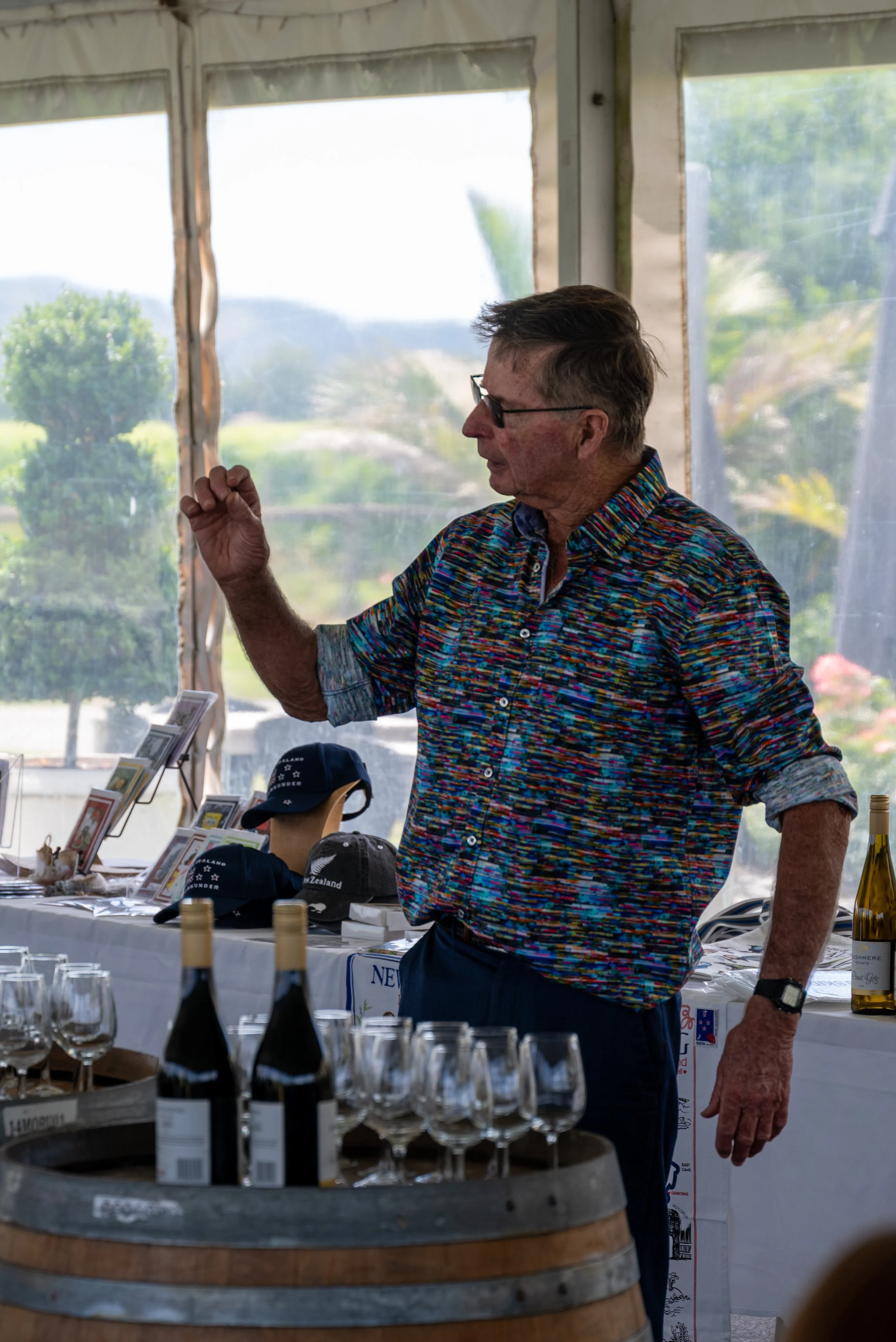
Our tasting experience was one of our favorites of the trip. David Egan, the owner and winemaker personally led the tasting and spoke to all his wines like a proud daddy talking about his kids. Each wine had a story, distinct tasting notes, and fun anecdotes to make the tasting fun rather than stuffy. His wife Shona was present as well, keeping glasses full and making sure David stayed on course (like any great spouse does). The two of them are a powerhouse of knowledge and hospitality, making sure to talk to everyone who had questions or needed a “re-visiting” of a certain bottle. I spoke to David at length about his incredible Rosé which is made from Montepulciano, and while he graced me with a private side by side of his 2025 and 2024 vintages, he told me the story of how the Montepulciano came to be planted by accident. He was sent the wrong root stock after requesting a new Chardonnay clone, and while most would have ripped up the new vines once they learned what they had, he instead wanted to see how the experiement played out, and it ended up crafting one of the tastiest Montepulcianos outside of Italy!
The Wines 🍷
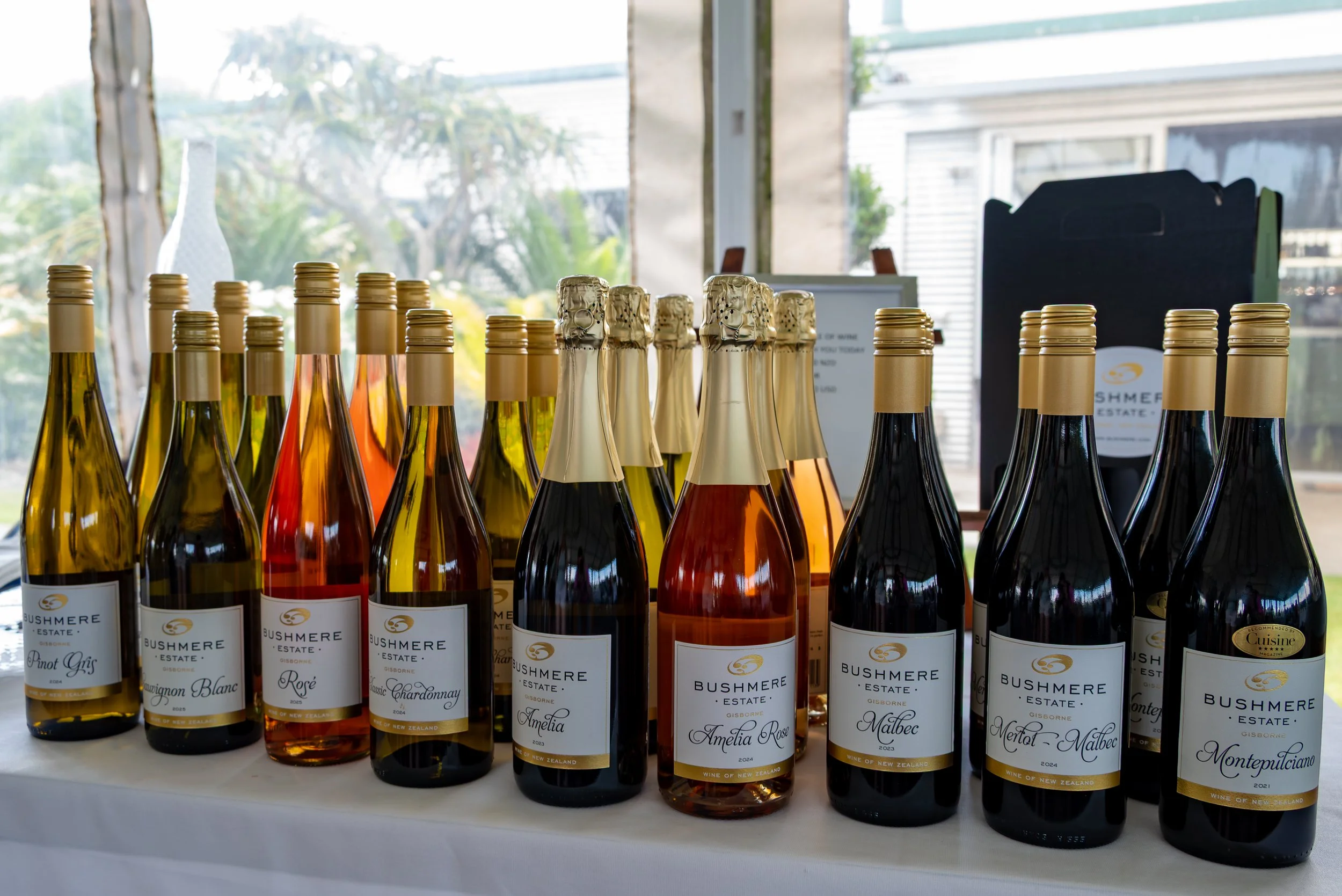
Chardonnay - The Gisborne Chardonnay is distinguished by its pale golden hue and impressive clarity. On the nose, it reveals alluring aromas of ripe peach, nectarine, and vibrant citrus, further layered with subtle hints of vanilla and toasted almond. The palate is graced by prominent stone fruit and citrus flavors, finely integrated with delicate oak notes, a creamy texture, and balanced acidity. The finish is long, smooth, and well-structured, touched by a gentle mineral character. This wine exemplifies classic Gisborne Chardonnay—sunlit and lively, yet elegantly restrained, offering depth without heaviness.
Gewürztraminer - The Gewürztraminer greets the eye with a delicate light straw color, accented by subtle golden highlights. On the nose, it offers a bouquet of rose petals and lychee, intertwined with ginger spice and a hint of tropical fruit, inviting you to explore its exotic character. The palate is lush and aromatic, delivering ripe fruit sweetness that is perfectly balanced by a refreshing vibrancy. Each sip concludes with a rounded, lingering finish touched by gentle spice, while the overall style remains expressive and textural, showcasing the grape’s remarkable aromatic power without ever feeling heavy.
Rosé (Montepulciano) (My personal favorite) This vibrant wine boasts a bright pink appearance and opens with inviting aromas of strawberry, raspberry, and rose. On the palate, you'll find juicy red berries complemented by crisp acidity, leading to a fresh, dry, and thirst-quenching finish. Its playful, refreshing character makes it an ideal choice for summer (or anytime) enjoyment.
Merlot - The Merlot displays a deep ruby appearance that immediately catches the eye. On the nose, inviting aromas of plum, dark cherry, cocoa, and subtle spice set the stage for tasting. The palate reveals soft tannins layered with ripe dark fruit and gentle oak, creating a well-rounded and harmonious experience. Its finish is smooth and approachable, making it easy to enjoy. Overall, this Merlot is an easy-drinking, food-friendly wine that beautifully reflects the warmth of Gisborne’s climate.
Malbec - The Malbec presents a striking dark crimson color, immediately drawing the eye. On the nose, it reveals enticing notes of blackberry, blueberry, violet, and a touch of light spice. The palate is marked by juicy dark fruit flavors, supported by a soft structure and rounded tannins. Each sip leads to a plush and satisfying finish. Bold yet balanced, this wine showcases ripeness without heaviness, providing a harmonious and enjoyable tasting experience.
Montepulciano - This wine displays a deep garnet color and opens with aromas of dark cherry complemented by subtle dried herbs and delicate earthiness. On the palate, it presents a savory and well-structured character, with lively acidity balanced by smooth, fine tannins. The finish is clean, lingering pleasantly, while the overall style marries Old World inspiration with the fresh fruit flavors characteristic of the New World.

Gisborne Winery Roundup
Millton Vineyards & Winery
Style: Organic, biodynamic, soulful, and textural
Standout Wines: Chenin Blanc, Viognier, Field Blends
Millton is the philosophical heart of Gisborne wine. A pioneer of organic and biodynamic viticulture, the winery produces wines that prioritize texture, energy, and sense of place over varietal flash. Chenin Blanc is the star—layered, mineral, and age-worthy—while Viognier and blends show depth and quiet power. These are contemplative wines that reward time and attention.
Matawhero Wines
Style: Polished, classic, and regionally expressive
Standout Wines: Chardonnay, Gewürztraminer, Pinot Gris
Matawhero Wines offers a refined take on Gisborne’s strengths. Their Chardonnays consistently balance ripe fruit with freshness and structure, while aromatic whites deliver clarity and precision. The style here is reliable and elegant wines that showcase what Gisborne does best without pushing extremes. An excellent reference point for understanding the region.
Manutuke Wines
Style: Elegant, restrained, and food-driven
Standout Wines: Chardonnay, Aromatic Whites, Merlot
Backed by generations of grape-growing experience, Manutuke Wines focuses on balance and finesse. Chardonnay shows restraint and structure, while the whites favor subtle aromatics over overt ripeness. Reds like Merlot are smooth and approachable, built more for the table than for show. These wines reflect a quieter, more classical interpretation of Gisborne terroir.
Wrights Vineyard & Winery
Style: Relaxed, fruit-forward, and immediately enjoyable
Standout Wines: Chardonnay, Sauvignon Blanc, Pinot Gris
Wrights Vineyard embraces the easygoing side of Gisborne wine culture. The wines are bright, fruit-driven, and designed for immediate enjoyment rather than long aging. Chardonnay and Pinot Gris are particularly popular, offering clean flavors and refreshing finishes. This is a cellar door stop where enjoyment comes first and formality is left at the gate.
Te Arai Wines
Style: Small-batch, precise, and terroir-focused
Standout Wines: Chardonnay
Te Arai Wines operates on a smaller scale, with a sharp focus on Chardonnay. The style is more refined and detailed, emphasizing structure, acidity, and subtle complexity over overt ripeness. These wines appeal to drinkers who enjoy nuance and craftsmanship, offering a more restrained expression of Gisborne’s sunny climate.