Cruise Stop 3: Saint-Estèphe, Saint-Julien & Pauillac — The Médoc's Murderers' Row
After two stops spent championing the Right Bank's underdogs, stop three sent us across the water into the belly of the beast: the Médoc, the gravel peninsula where Bordeaux keeps its aristocracy. Three neighboring communes — Saint-Estèphe, Saint-Julien, and Pauillac — hold a concentration of famous wine estates with no real equivalent anywhere else on Earth. Pauillac alone contains three of the five First Growths. Drive twenty minutes down the D2, the narrow château-lined road the locals call the Route des Châteaux, and you pass more legendary names than most wine regions produce in their entire history. This is the Bordeaux of auction catalogs and investment funds — and, as we found at our two château visits, it's also more human, and more in motion, than its reputation suggests.
Back on the gravel
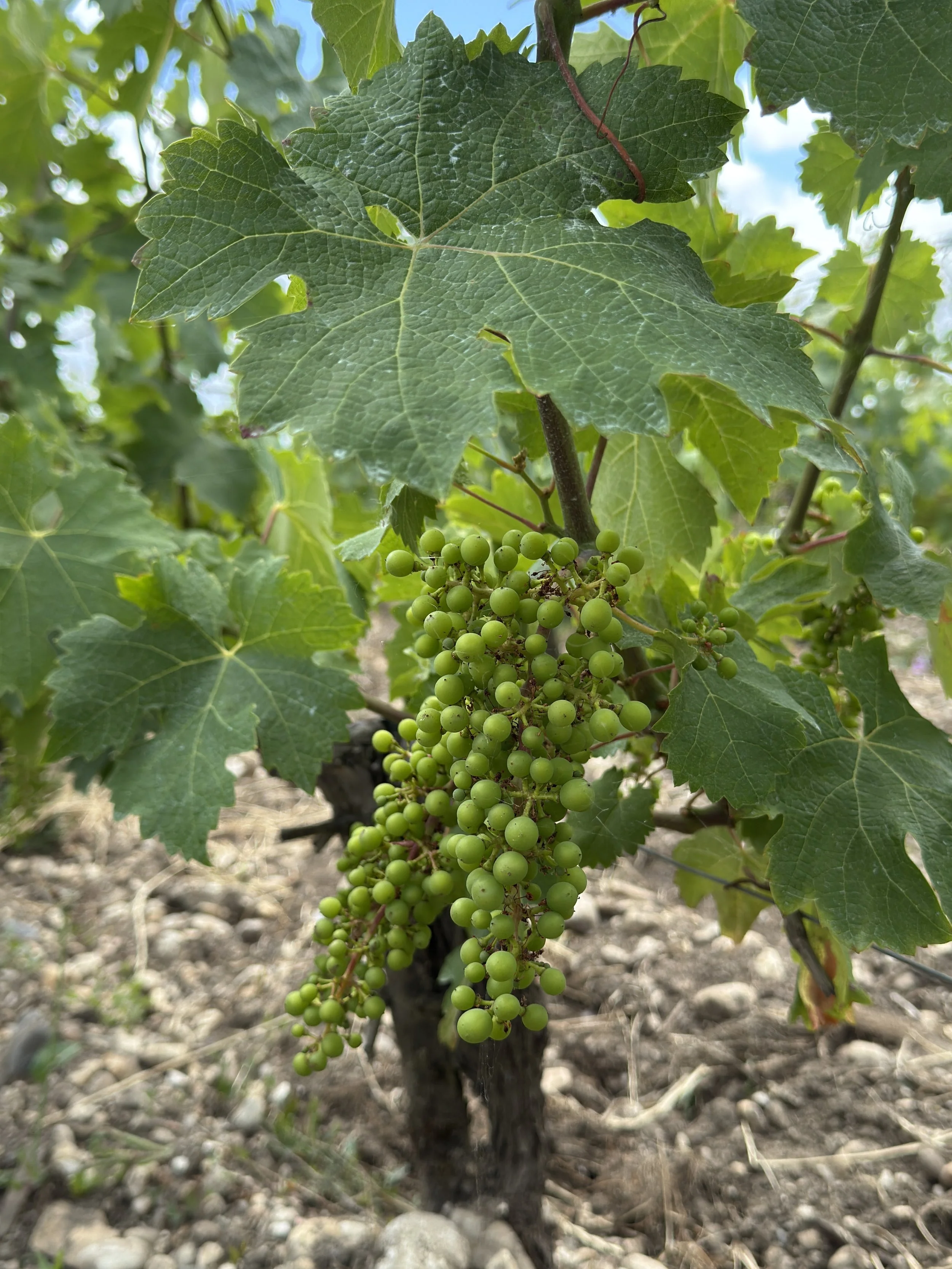
The quick science, for anyone joining the series mid-cruise: everything here runs on gravel — deep, river-dumped stone banks that drain fast, store daytime heat, and coax late-ripening Cabernet Sauvignon to full maturity in a maritime climate that would otherwise leave it green. The wines are Cabernet-led blends built on tannin and time: tight and imposing in youth, gradually unfolding over ten, twenty, or fifty years into the cedar-and-cassis reference point every serious red wine region on the planet still measures itself against.
Culturally, though, crossing the water is whiplash. The Right Bank we'd just left is a patchwork of small family farms where the winemaker pours your tasting personally. The Médoc's classified estates are enterprises — manicured grounds, architect-designed cellars, tasting rooms with reception desks. The 1855 classification froze this hierarchy in amber, as covered in part one of this series, and the commercial machine built around it has been compounding ever since. What surprised us is how much genuine renewal is happening inside that amber — both of our visits told that story.
Saint-Estèphe: the sturdy northerner
Northernmost of the great communes, Saint-Estèphe is where the Médoc's gravel starts running out — the stone banks thin, and clay muscles up beneath them. Clay is cooler and holds more water, which means riper Merlot gets more room in the blends here and the Cabernet ripens a touch later and tougher. The resulting wines are the commune's calling card: burlier, darker, and slower to come around than anything to the south — wines with a handshake that means it. In damp, difficult vintages, that water-holding clay quietly becomes an advantage, and Saint-Estèphe often outperforms its posher neighbors precisely when nature is least cooperative.
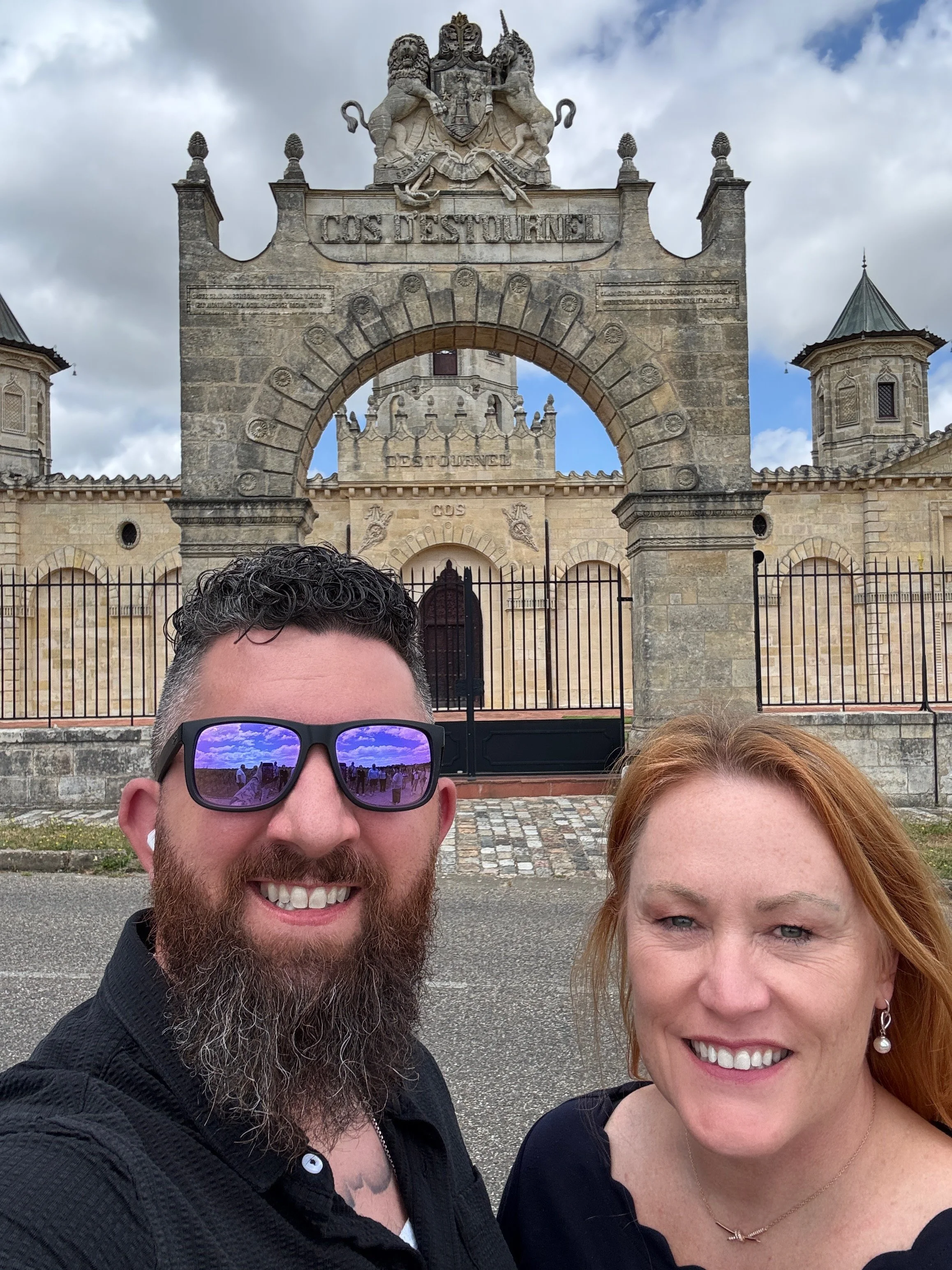
Only five classified growths call the commune home — Cos d'Estournel with its famous pagoda roofline, Montrose, Calon-Ségur of the heart-labeled bottle, Lafon-Rochet, and Cos Labory — but that scarcity is the consumer's friend. Saint-Estèphe runs deep with unclassified estates and cru bourgeois properties farming serious gravel-and-clay terroir, and it remains the commune where $25 to $40 buys the most convincing approximation of the classified-growth experience. If the Médoc has a working-class hero, it lives here.
Saint-Julien: the safest bet in Bordeaux
Saint-Julien is the smallest of the big four communes and statistically the most aristocratic: roughly four-fifths of its vineyard land belongs to classified growths, the highest proportion in the Médoc. Eleven classified estates — including the three Léovilles, Beychevelle, and Talbot — shoulder to shoulder on two broad gravel plateaus, with essentially no bad addresses in between. That density produces Saint-Julien's stylistic identity, which is really a balance point: more flesh and perfume than stern Pauillac, more structure than silky Margaux. Ask a room of Bordeaux professionals which commune they'd trust blind across any vintage, and Saint-Julien wins more votes than it has any statistical right to.
The commune's crown jewels are themselves a lesson in Bordeaux estate genealogy. The three Léovilles — Las Cases, Poyferré, and Barton — were once a single enormous property, the largest in the Médoc, sliced apart by revolution and inheritance in the early nineteenth century. Two centuries later the three pieces still sit side by side, farm much of the same original gravel, and turn out three recognizably different wines — a natural experiment in how much the humans matter once the dirt is held constant. Saint-Julien in a nutshell: even its history is well-organized.
The D2: a museum you drive through
A practical note for anyone doing this stretch by road: the D2 between the communes may be the densest concentration of drive-by wine landmarks anywhere. In one unhurried half hour you pass Beychevelle's manicured gardens, the Léoville walls running along the roadside, Pichon Baron's fairy-tale turrets facing Pichon Comtesse across the pavement, Latour's stone tower standing in the vines, and — at the northern end — Cos d'Estournel's pagoda roofline, built by a nineteenth-century owner who shipped his wine to India and wanted everyone to know it. None of these estates take casual walk-ins, but that's not the point. The point is the scale: name after name you've only ever seen on lists and labels, revealed as actual farms, sitting on an unassuming country road amid pebbles and vines. Every wine drinker should see it once — it converts the 1855 classification from a document into a neighborhood.
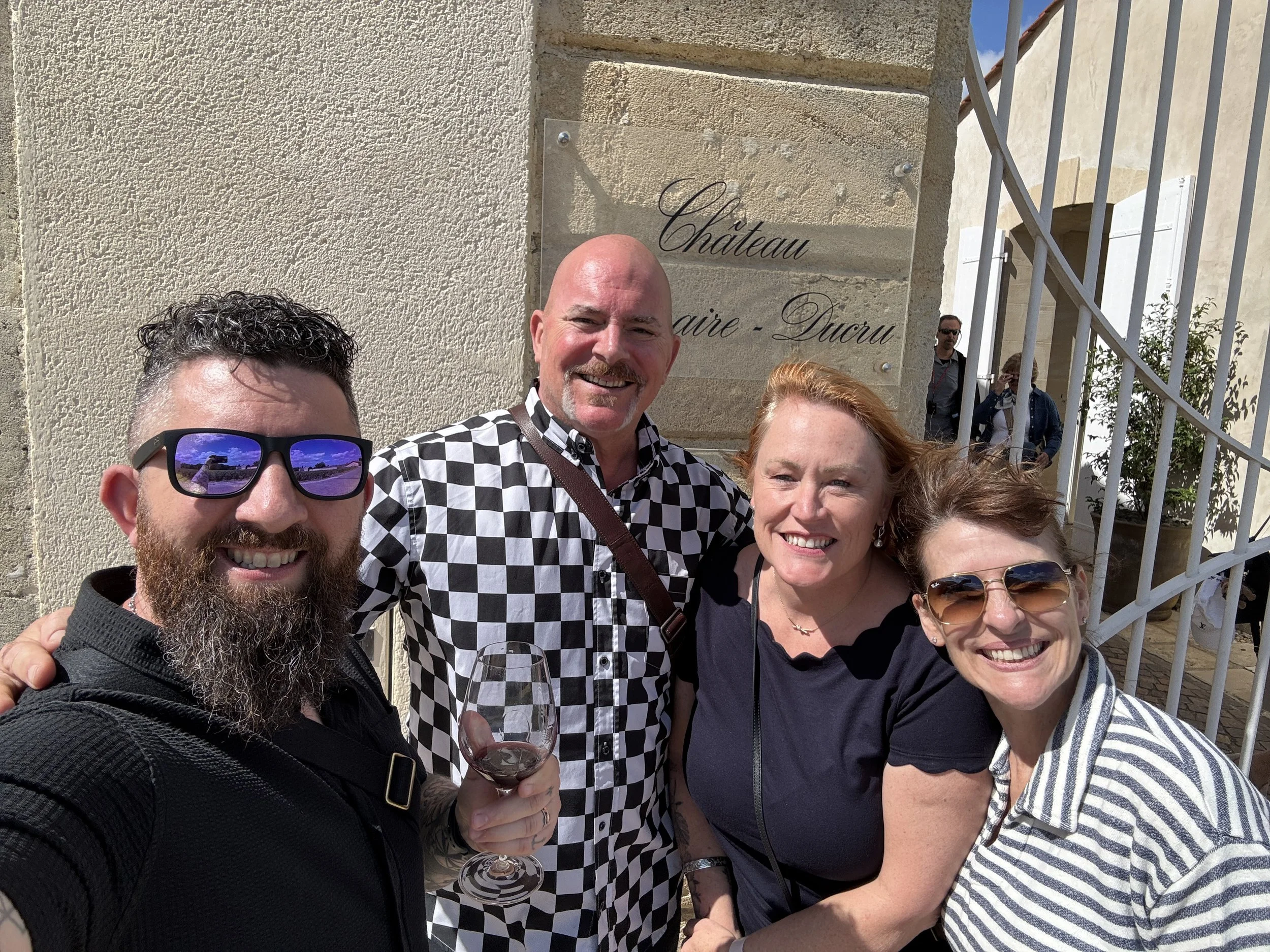
Château Branaire-Ducru: freshness as a philosophy
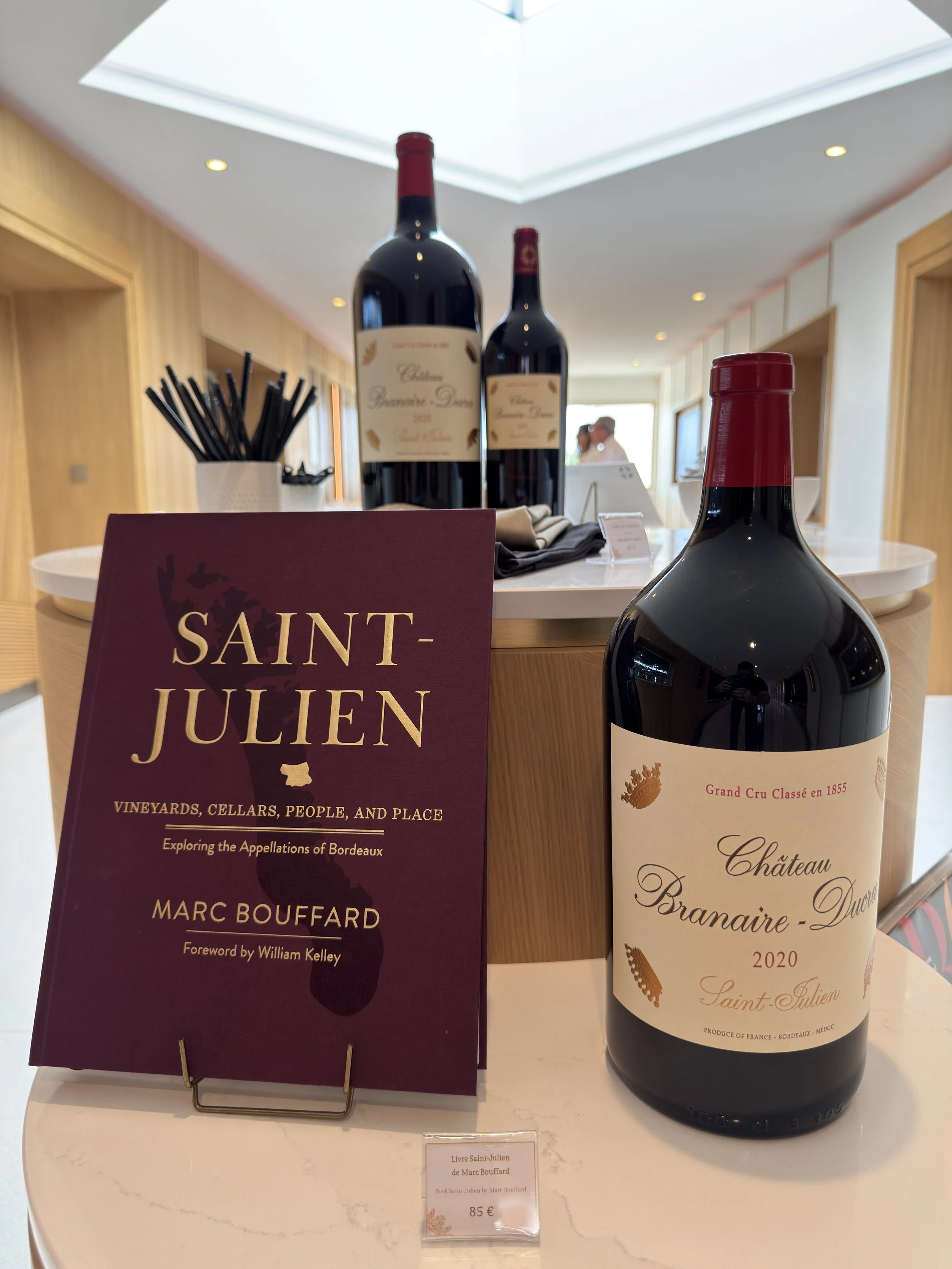
Our first visit of the day sits at Saint-Julien's southern gate, directly across the D2 from Beychevelle: Château Branaire-Ducru, a Fourth Growth whose story starts with a very Bordeaux piece of estate arithmetic. In 1680 a man named Jean-Baptiste Braneyre acquired his plot when the enormous Beychevelle estate was carved up to settle debts — his name drifted into Branaire, a nineteenth-century owner named Gustave Ducru added the second barrel, and the 1855 brokers filed the result among the Fourth Growths, where it has quietly overdelivered ever since.
The modern era belongs to the Maroteaux family. Patrick Maroteaux, a former banking and sugar-industry executive, bought the property in 1988 and spent three decades doing the unglamorous work great wine actually requires — cutting yields, rebuilding the cellars around gravity-fed winemaking well before it became fashionable, and pushing the estate back into Saint-Julien's front rank by the 2000 vintage. Since his death in 2017, his son François-Xavier has run the property, and the house style has stayed recognizably its own: where some neighbors chase power, Branaire-Ducru chases freshness and aromatic lift, with a signature note tasters reliably describe as dark chocolate over black pepper. For drinkers, the practical point is the rank-to-price gap — Fourth Growth classification, top-tier commune, at prices the Léovilles left behind long ago.
Pauillac: the capital of Cabernet
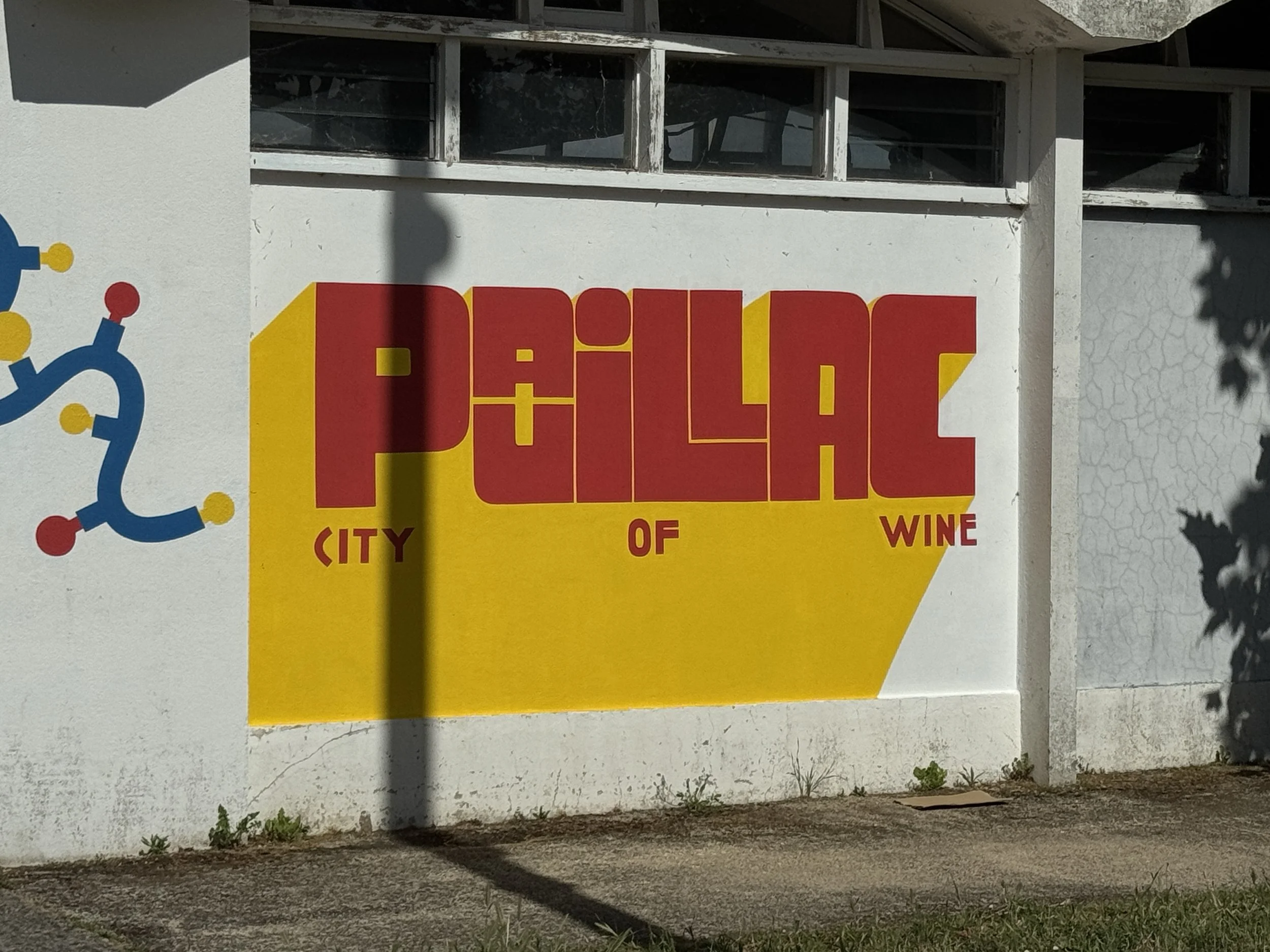
Then comes Pauillac, and the adjectives run out of headroom. Lafite Rothschild, Latour, and Mouton Rothschild — three of the five First Growths — anchor a commune of eighteen classified estates sitting on the deepest, purest gravel croupes in the Médoc. This is Cabernet Sauvignon's global benchmark: pencil shavings, cassis, cigar box, iron — wines of almost architectural structure that need a decade before they'll even say hello. When the world's newer wine regions plant Cabernet on stony ground, Pauillac is the picture taped to the mirror.
And yet the town of Pauillac itself is one of wine geography's best jokes: a modest riverfront village — a quay, a line of low houses, fishing boats — sitting beside some of the most valuable farmland on the planet. There's no grand boulevard, no luxury row. The money is all in the dirt and the cellars. River ships tie up right along that quay, which meant our second visit of the day required approximately no logistics at all.
The town's other claim to fame is edible and worth planning a meal around: agneau de Pauillac, the local milk-fed lamb, raised on the salt-tinged marsh pastures between the vineyards and the estuary. It carries official protected status, appears on menus across the Médoc, and exists in a kind of culinary symbiosis with the wines — young, delicate lamb against structured young Cabernet is the region's definitive table pairing, the one locals will recommend without being asked. If you retain a single food-and-wine match from this entire series, lamb with Pauillac is the safest deposit you can make.
Château Grand-Puy Ducasse: the First Growth view from the village
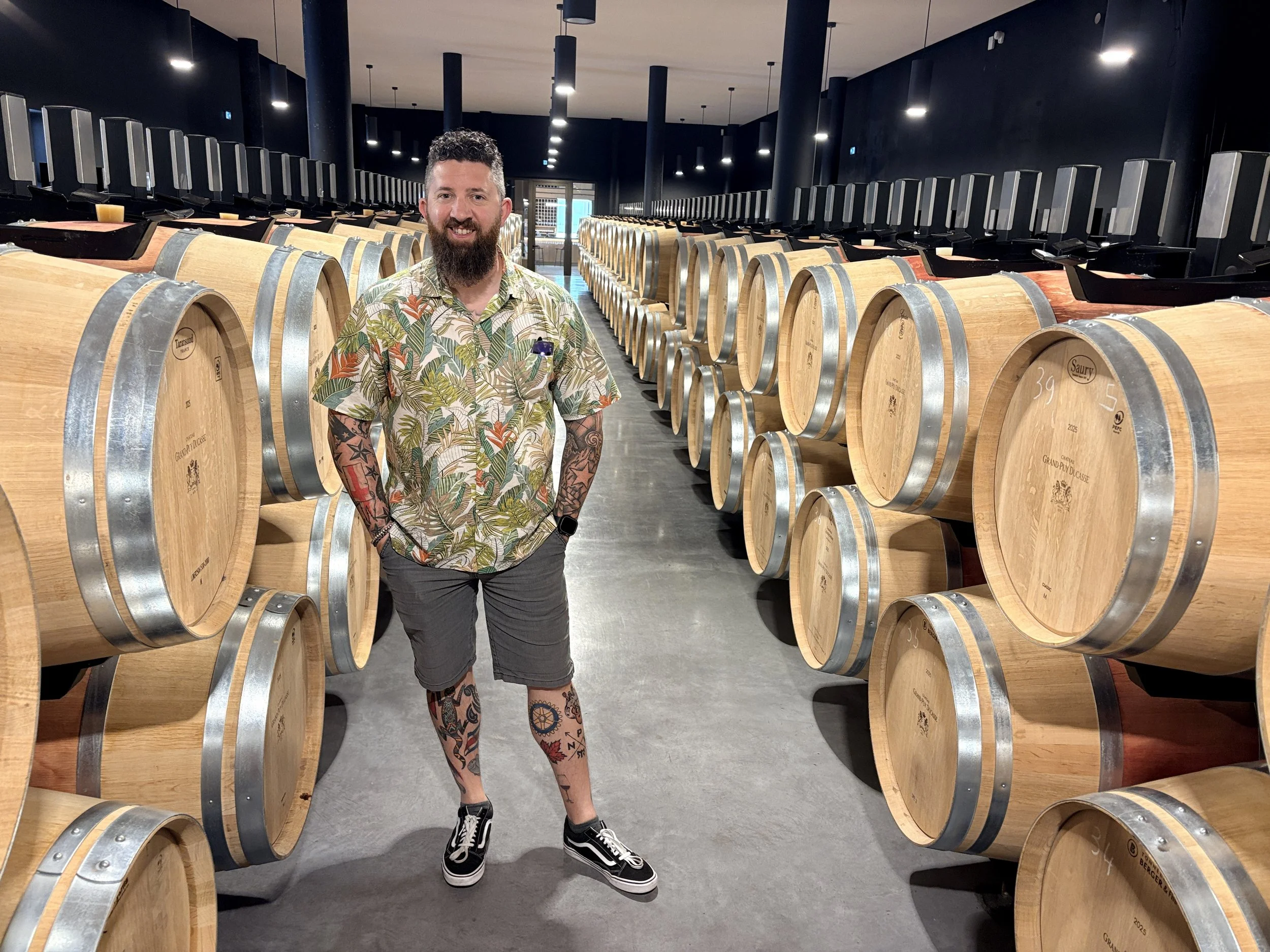
Château Grand-Puy Ducasse is the Pauillac oddity, in the best sense: it's the only classified estate whose château and cellars sit not out among the vines but in the middle of the village itself, right on the quay, looking at the Gironde — a position it has held for over two centuries. The name records another estate split: the original Grand-Puy property (puy is old French for a rise of high ground) divided in the eighteenth century, with one half becoming Grand-Puy-Lacoste and the other taking the name of Pierre Ducasse, the lawyer who assembled it. In 1855 it entered the classification as a Fifth Growth, and its roughly 40 hectares of vines lie scattered across the appellation in parcels — some rubbing shoulders with land belonging to Mouton and Lafite. Same gravel, very different price tag.
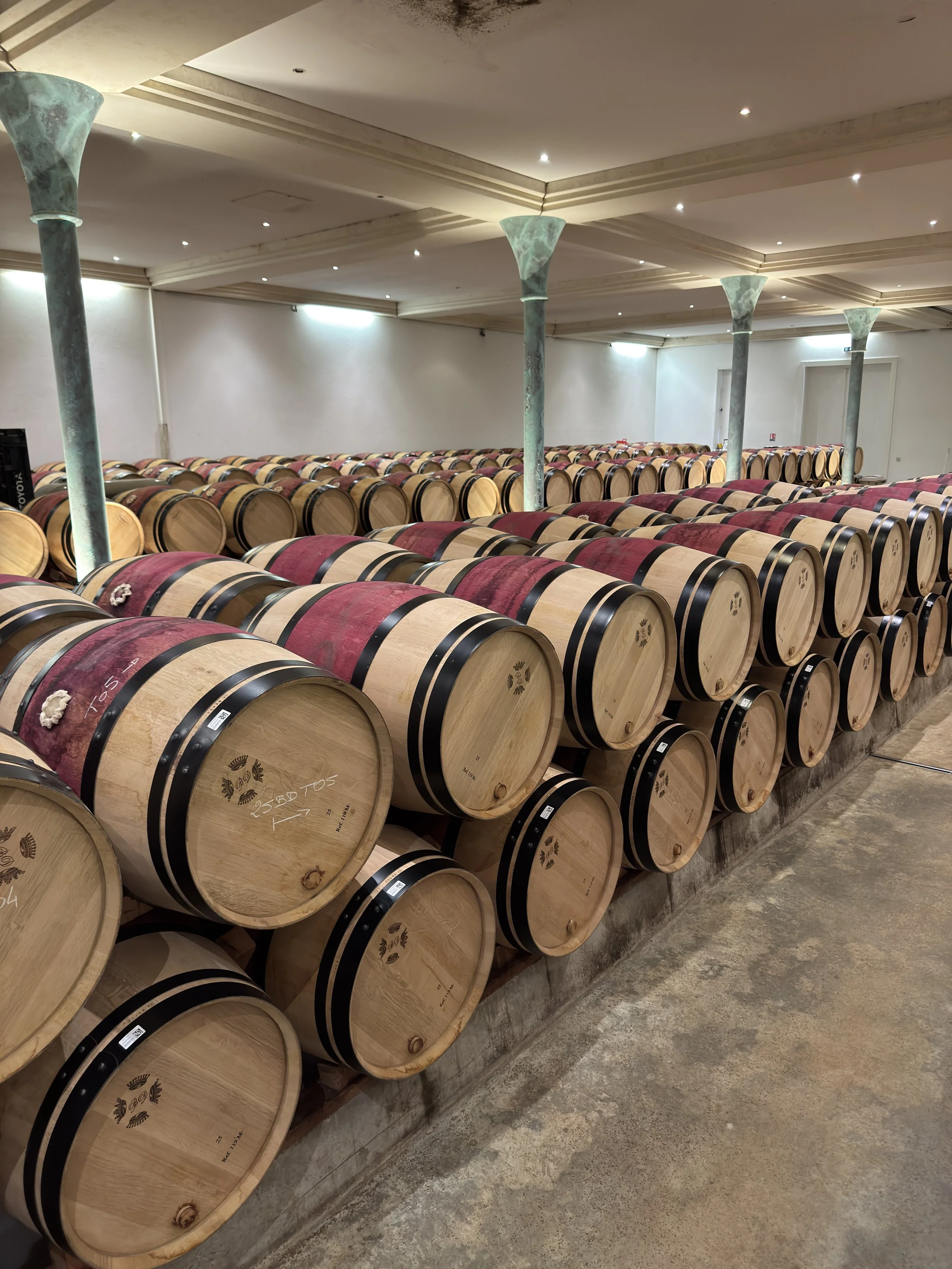
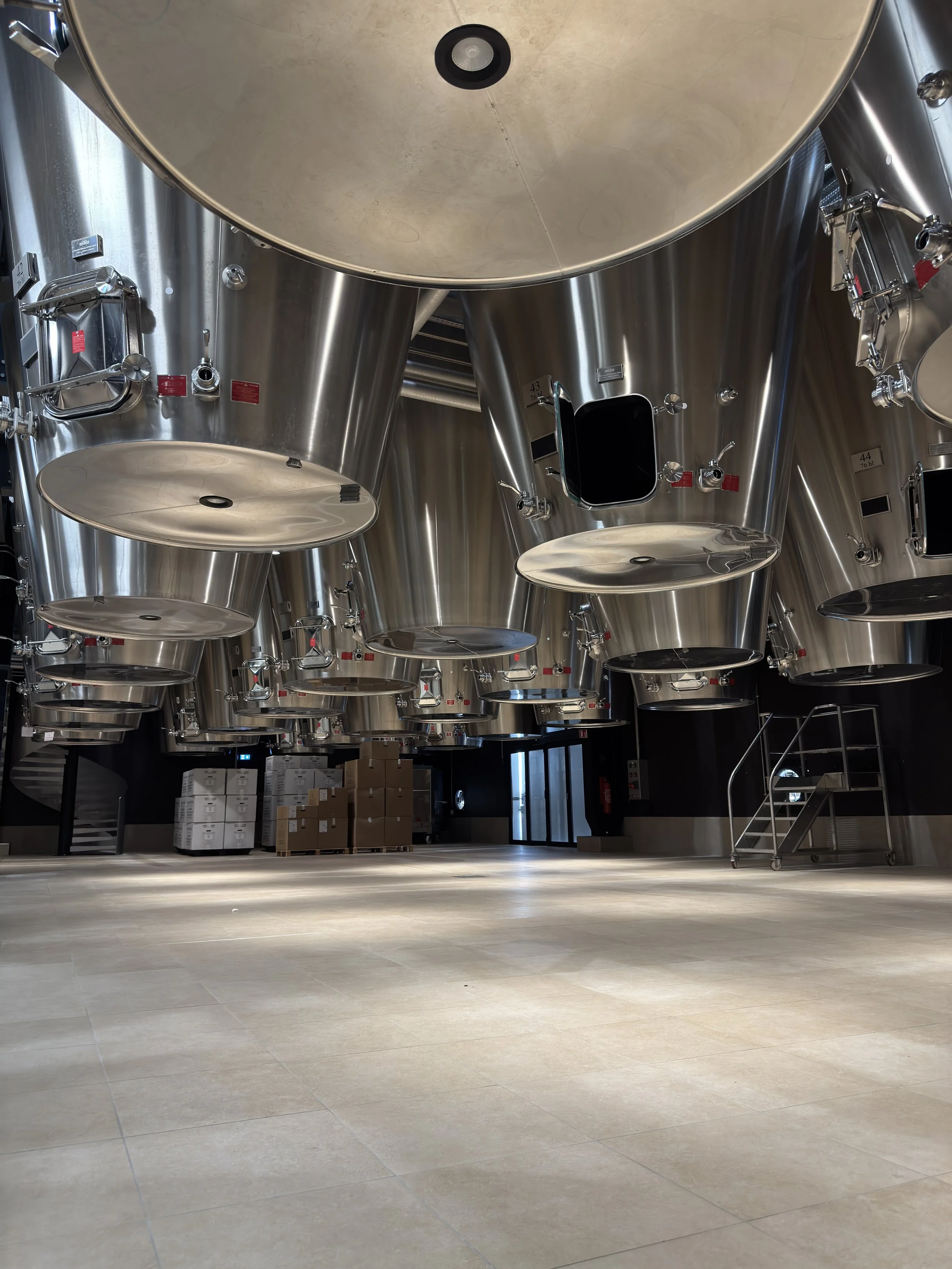
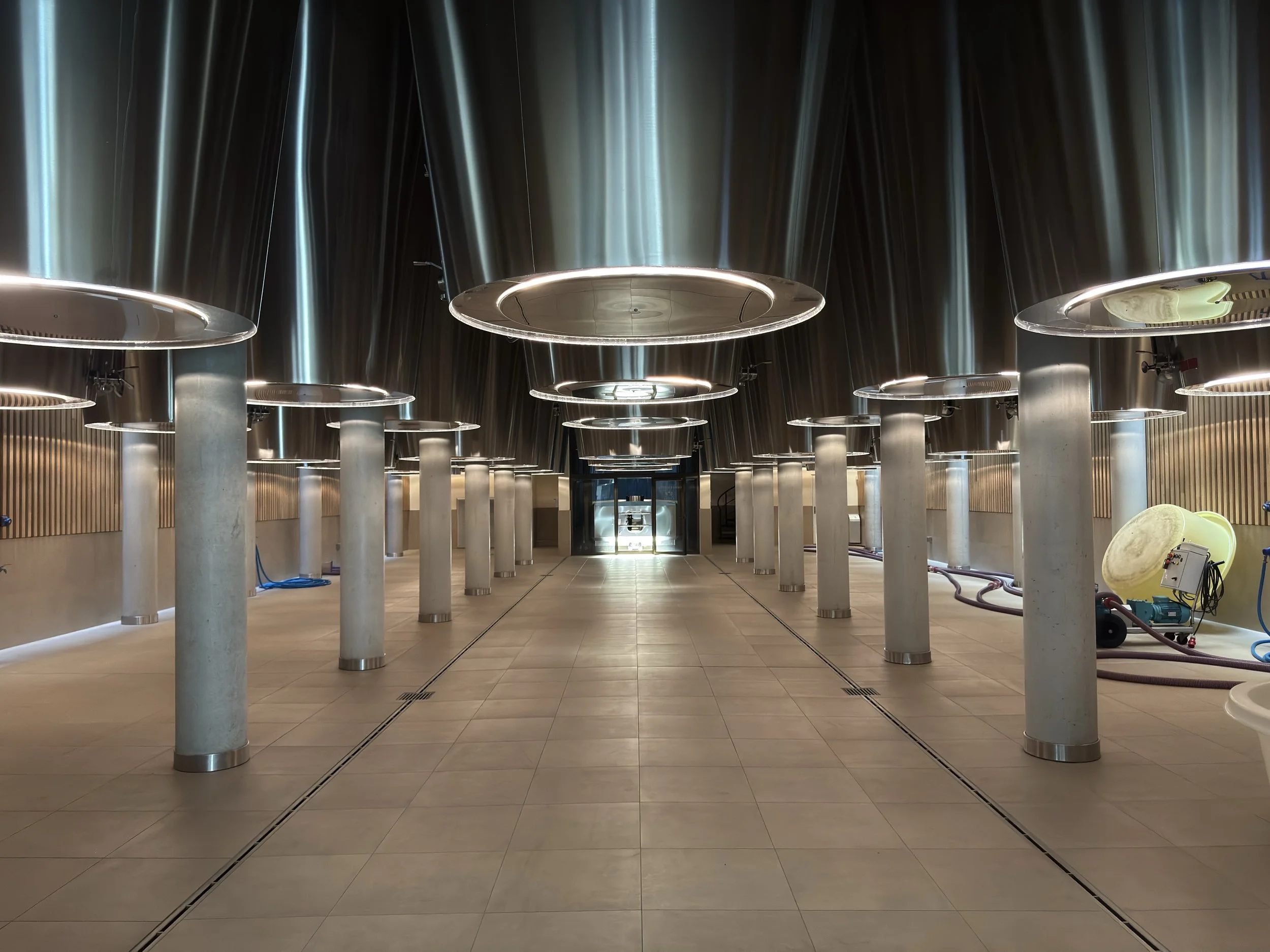
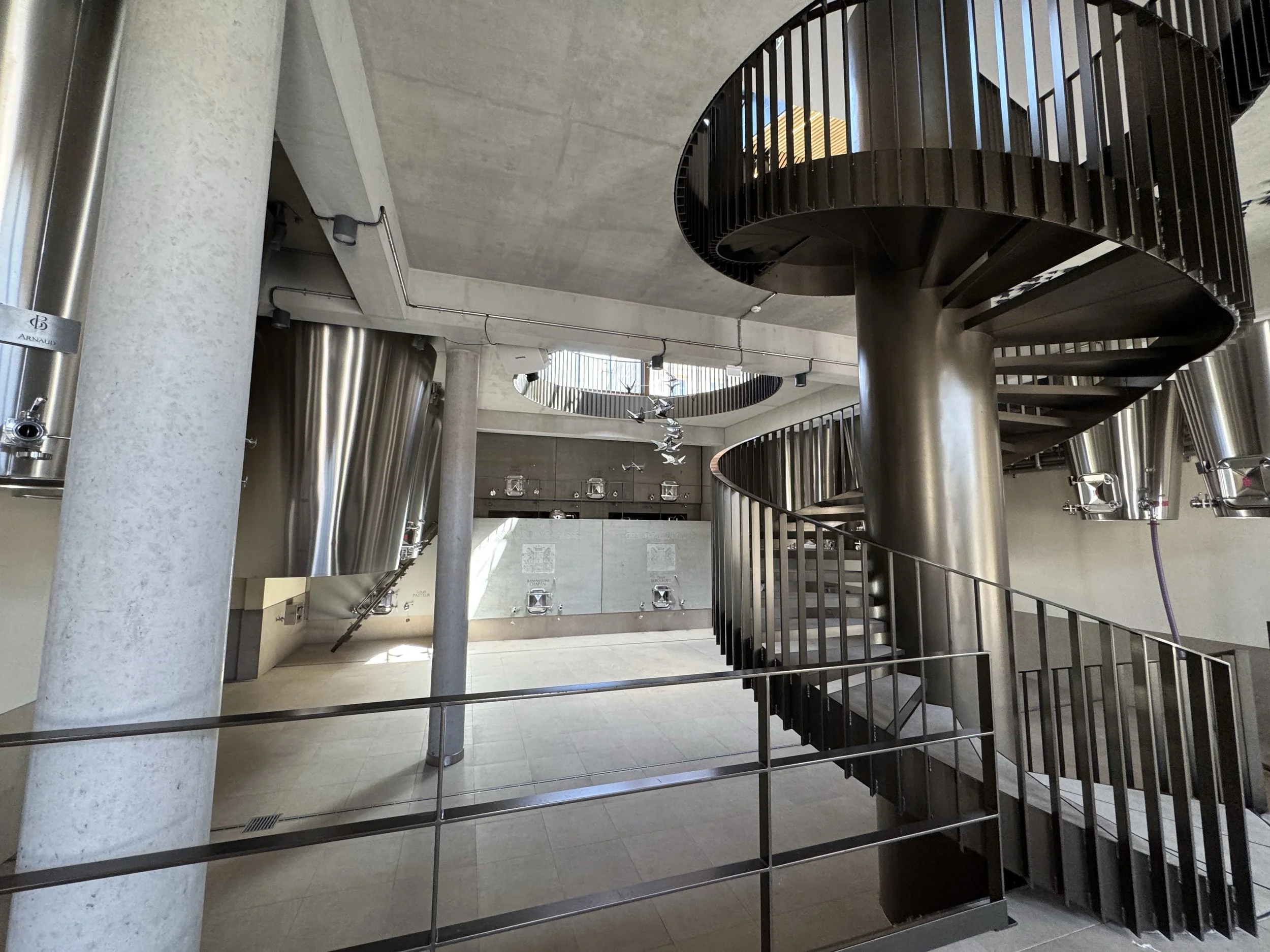
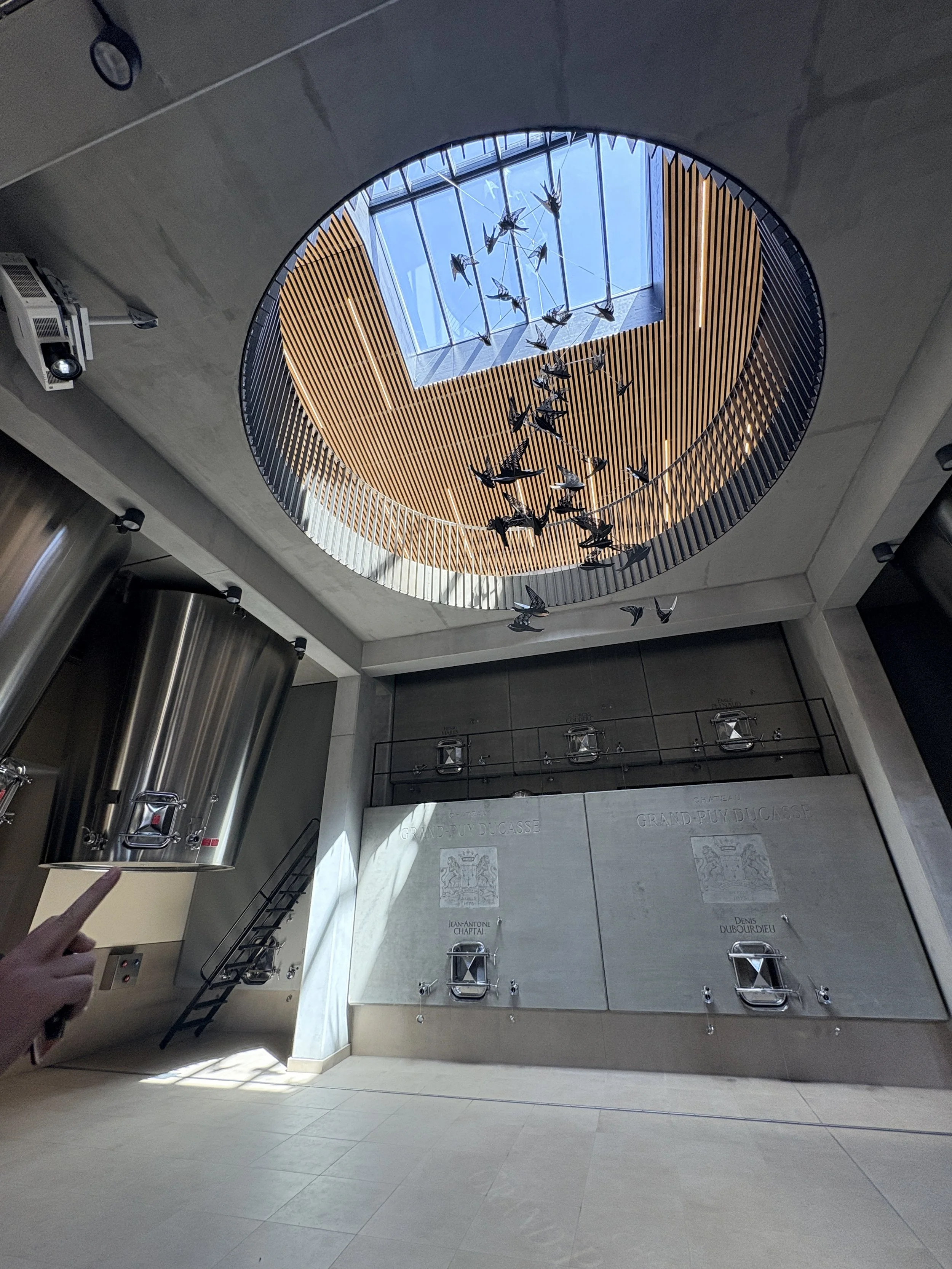
The estate's recent chapter is the interesting one. Since 2005 it has belonged to CA Grands Crus, the fine-wine arm of the Crédit Agricole banking group, which spent the better part of a decade and a small fortune on a renovation project it named, without much false modesty, the Renaissance — replanting and re-sorting the vineyard parcels, then completely rebuilding the quayside cellars, a project finished in 2024 that also opened the property to visitors in a way classified Pauillac rarely bothers to. Walking a working grand cru cellar in the middle of a village, water traffic drifting past the windows, makes an argument the auction catalogs never do: this appellation is still a place where people live and work, not a museum. And the wine follows the same logic — a Fifth Growth on the rebound is one of the smarter ways into Pauillac, typically $40 to $60 while the commune's headliners sell for ten to forty times that.
The classification is a floor, not a ceiling
Here's the thread connecting both visits, and it's the practical lesson of the whole day. The 1855 ranks were set by mid-nineteenth-century market prices, and part one of this series made the case that the list has held up astonishingly well as a map of great terroir. But within it, everything moves. A Fourth Growth run with obsessive care for thirty-five years can outperform its rank vintage after vintage. A Fifth Growth with new investment and rebuilt cellars can be mid-transformation while its price still reflects the old reputation. The classification tells you where the great gravel is; it cannot tell you who is currently working hardest on top of it. That gap between rank and reality is where the drinker's money is made.
The suitcase math for the famous communes, then: Saint-Estèphe cru bourgeois at $25-40 for the sturdiest value on the peninsula; Saint-Julien almost anywhere on the label at $40-80, the region's most trustworthy blind buy; and in Pauillac, skip the trophies and hunt the renovated and the underrated — motivated Fifth and Fourth Growths, and the second wines of the giants — where the world's benchmark Cabernet terroir can still be had for dinner-party money. Next stop, the cruise winds on — and the Médoc, it turns out, wasn't done with us yet.