Waiheke Island Wineries: Why New Zealand's Most Beautiful Wine Stop Is Worth the Ferry
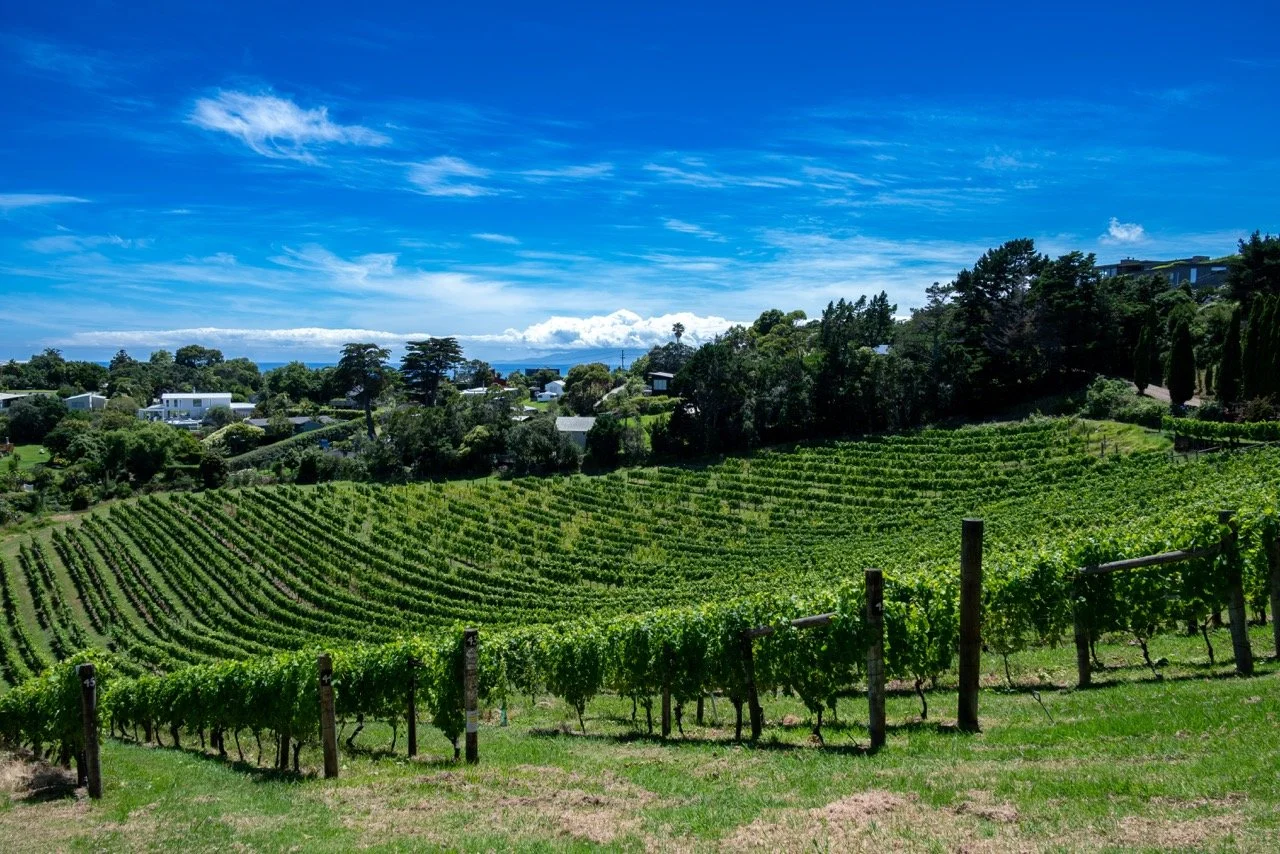
Waiheke Island is like that deep breath you finally take after a long trip which was much needed after our 16 days at sea. It’s just a quick ferry ride from downtown Auckland, but once you get there, everything slows down. Vineyards roll right down to the harbor, and every bend in the road gives you another jaw-dropping view. It’s the sort of place where you want to kick back, sip a great drink (or 3), and remember why wine and travel just go hand in hand. What makes Waiheke stand out is how easily it mixes top-notch wine with laid-back island vibes. The vineyards thrive in a warm, breezy climate that gives the wines plenty of flavor but keeps them lively. Most wineries focus on Bordeaux-style blends, especially cabernet sauvignon and merlot, but you’ll also come across bold syrahs, crisp chardonnays, and light rosés. The tasting rooms are just as cool as the wine—often sitting on hills with sweeping views of the Hauraki Gulf, where you can watch sailboats drift by as you take a sip.
But Waiheke is more than just wine. It’s got this artsy, relaxed energy that makes it feel more like a creative beach town than a typical wine spot. Little galleries, cozy beach cafés, and unique shops are scattered all over, so there’s plenty to check out between tastings. Spend the morning on a quiet beach, the afternoon sipping wine on a patio, and end the day watching the sunset with a glass in hand. There’s never any rush, and that’s a big part of what makes it special. Food is another reason Waiheke sticks with you. Many wineries and restaurants serve up super fresh, local food—think island veggies and seafood—paired perfectly with their wines. Lunches tend to stretch into lazy afternoons, and it’s easy to lose track of time when the food’s great, the wine is flowing, and the view is unbeatable.
Wine has been part of Waiheke’s story for more than a hundred years, way before it became one of New Zealand’s big wine hotspots. Back in the late 1800s and early 1900s, Croatian immigrants from the Dalmatian Coast came to Auckland, bringing tons of grape-growing know-how. Some of these families planted vines on Waiheke’s sunny slopes, seeing that the dry summers and cool sea breezes were perfect for growing awesome grapes.
For most of the 1900s, Waiheke was a sleepy, rural spot with just a few small vineyards and farms. Things started to change in the 1970s and ’80s, when a few forward-thinking growers saw the island’s potential for really great wine. They planted top-notch grapes like cabernet sauvignon, merlot, and syrah, moving away from bulk wines to the small-batch, vineyard-focused style Waiheke is known for today. This bold shift helped Waiheke stand out from other New Zealand wine regions, which were mostly about Sauvignon Blanc. The 1990s were a game changer. Waiheke’s wines started winning big international awards and catching the eyes of collectors and critics. New boutique wineries popped up, and the island quickly built a reputation for making bold, classy Bordeaux-style blends that could hold their own with some of the world’s best. At the same time, wine tourism took off, with crowds coming by ferry to taste these unique island wines right at the source.
Today, Waiheke’s wine scene is both polished and true to its roots. Many places are still family-run or run by small, passionate teams, carrying on the spirit of those early pioneers. Every bottle is a piece of the island’s story, shaped by people who believed these sunny, seaside hills could create something amazing. Each glass of Waiheke wine is a taste of patience, place, and the folks who turned a quiet island into a world-class wine destination.
Casita Miro
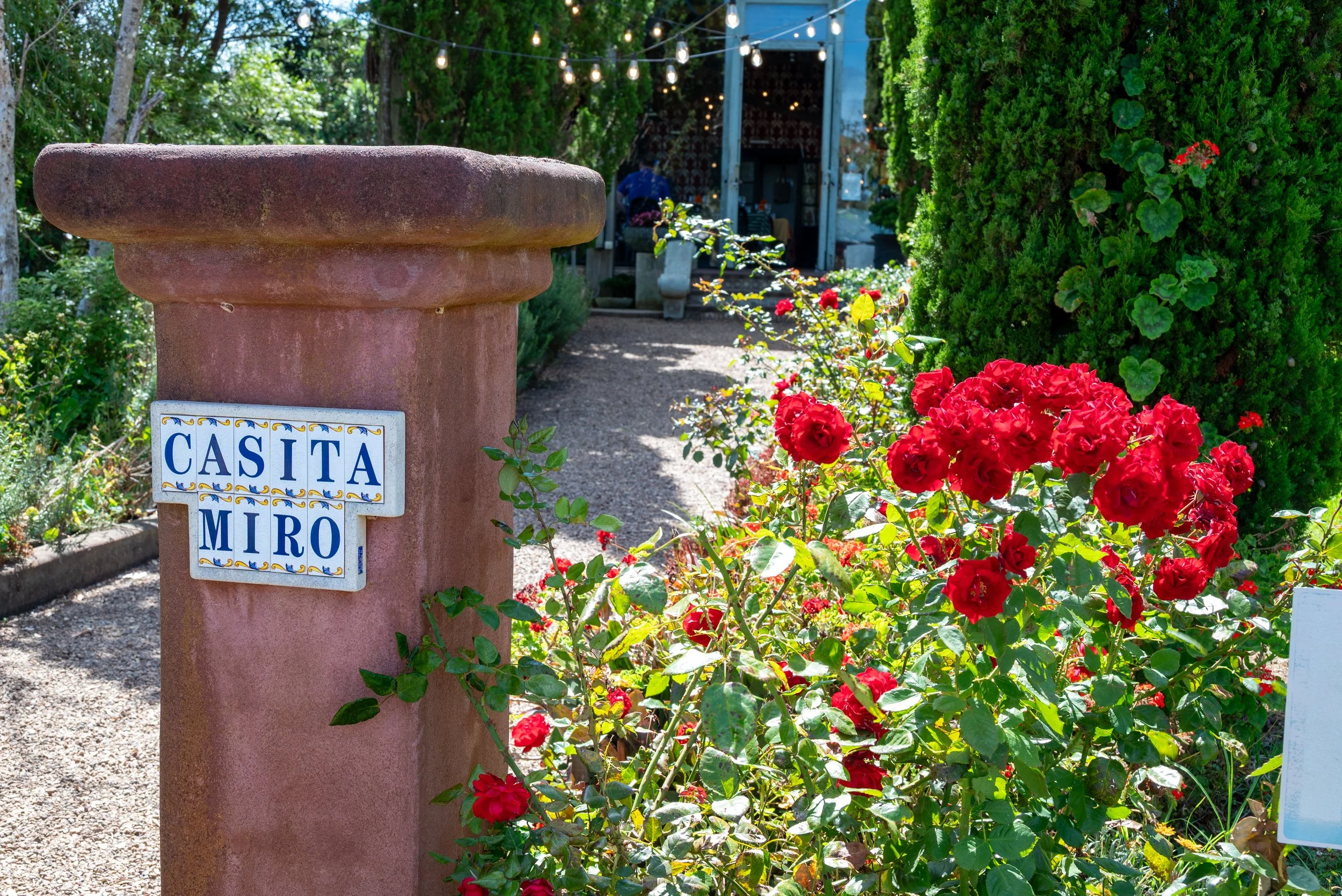
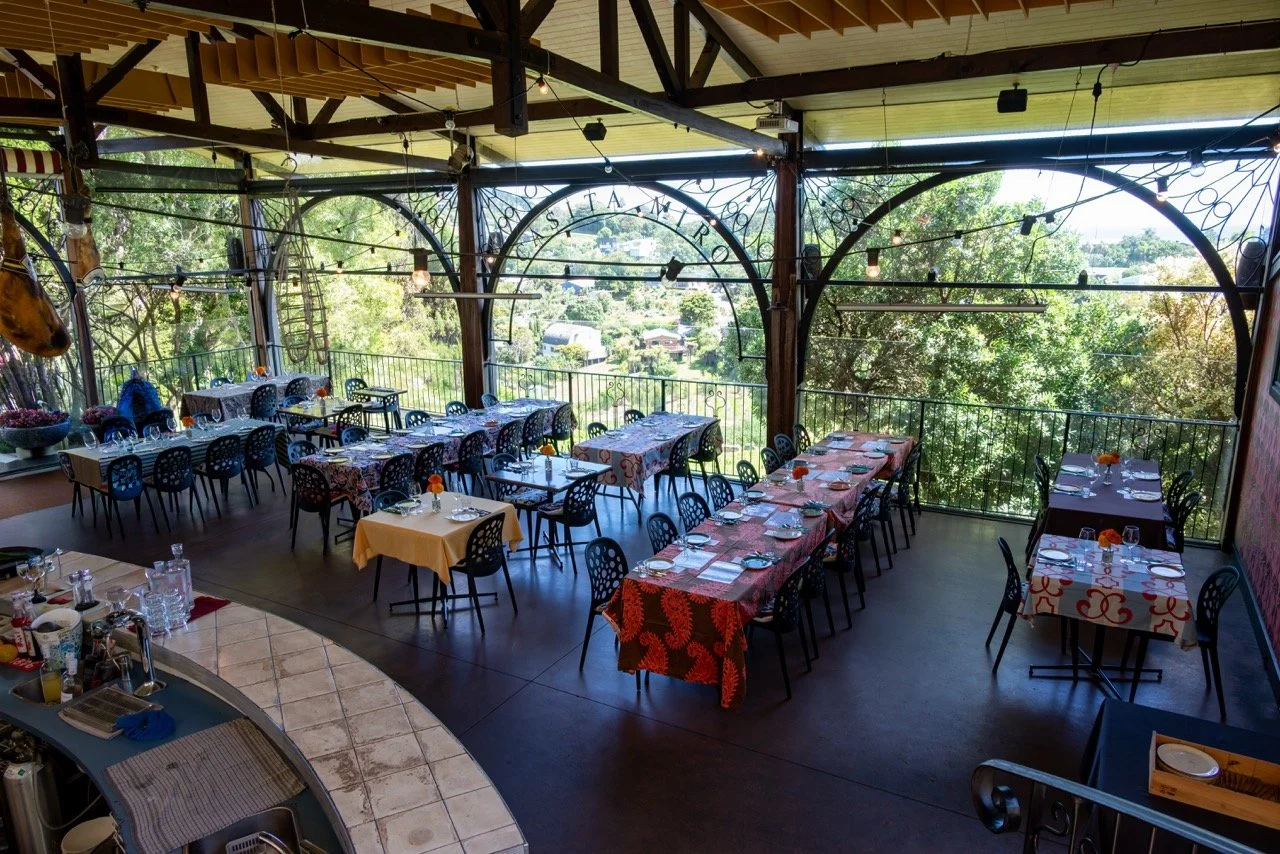
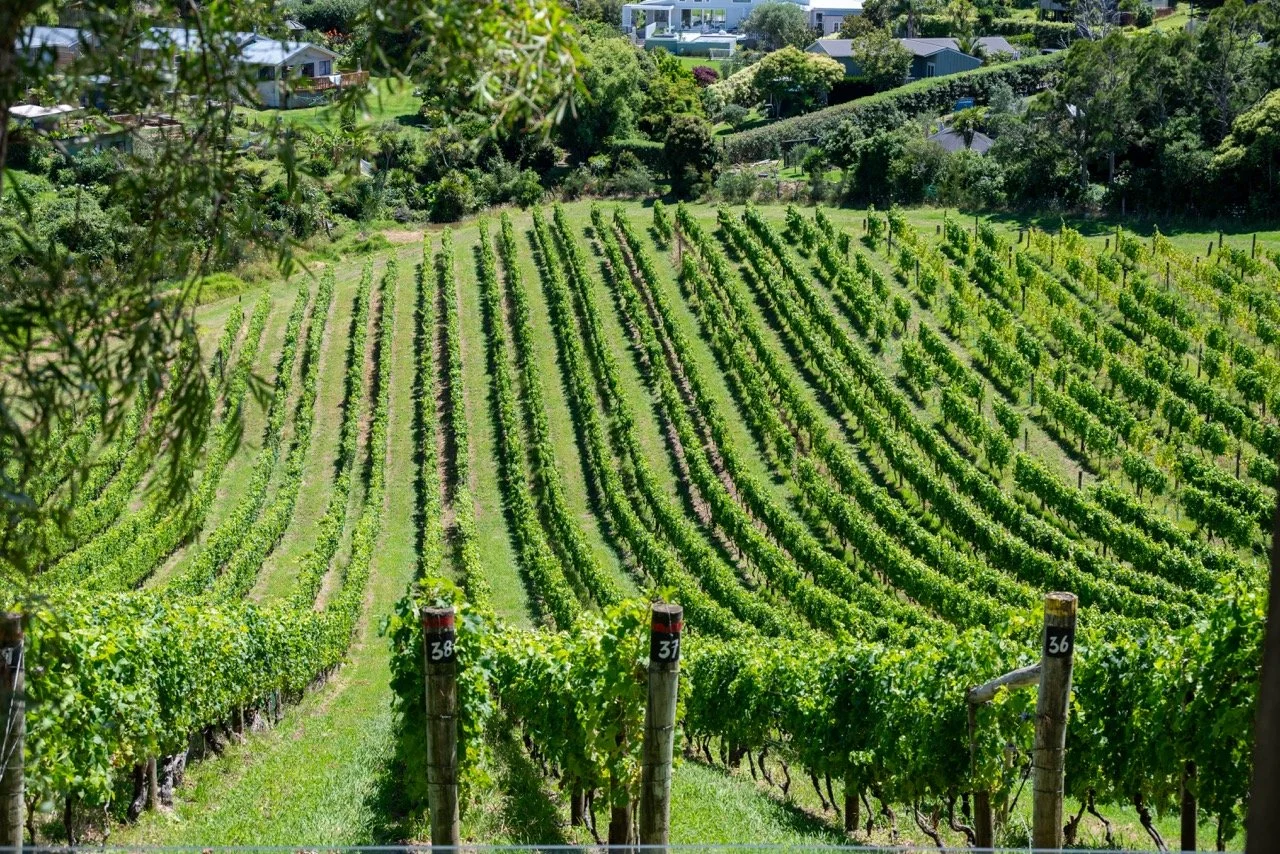
Our first stop of the day was Casita Miro, and honestly, it felt like stumbling into a tiny slice of Spain hidden in the valley. Casita Miro is hands-down one of the most charming and unforgettable wine spots on Waiheke Island. The vibe is pure Spanish hospitality mixed with those stunning vineyard views the island’s known for. Up on a sunny hillside, overlooking the vines and the ocean, it didn’t feel like a typical winery to me—it was more like being welcomed into someone’s Mediterranean home, where long, lazy lunches, shared plates, and good chats are just how things are done.
The winery was started out of a love for Spanish-style wines, especially tempranillo, which clearly loves Waiheke’s warm, dry weather. Their wines really stood out to me—they’re bold, layered, and full of character, which is a cool twist compared to the lighter wines most usually associate with New Zealand. From big reds to aromatic whites, you can tell everything here is made with food in mind as most European wines are.
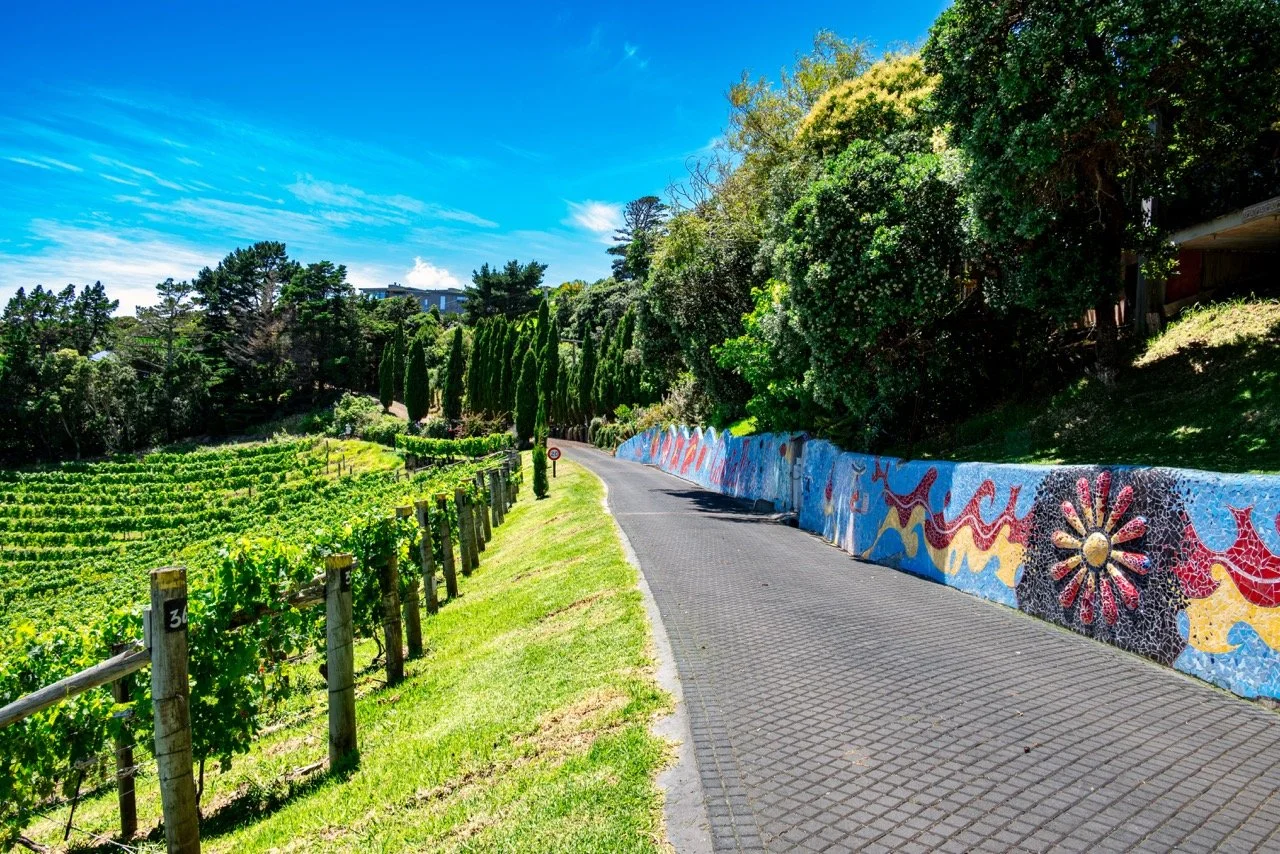
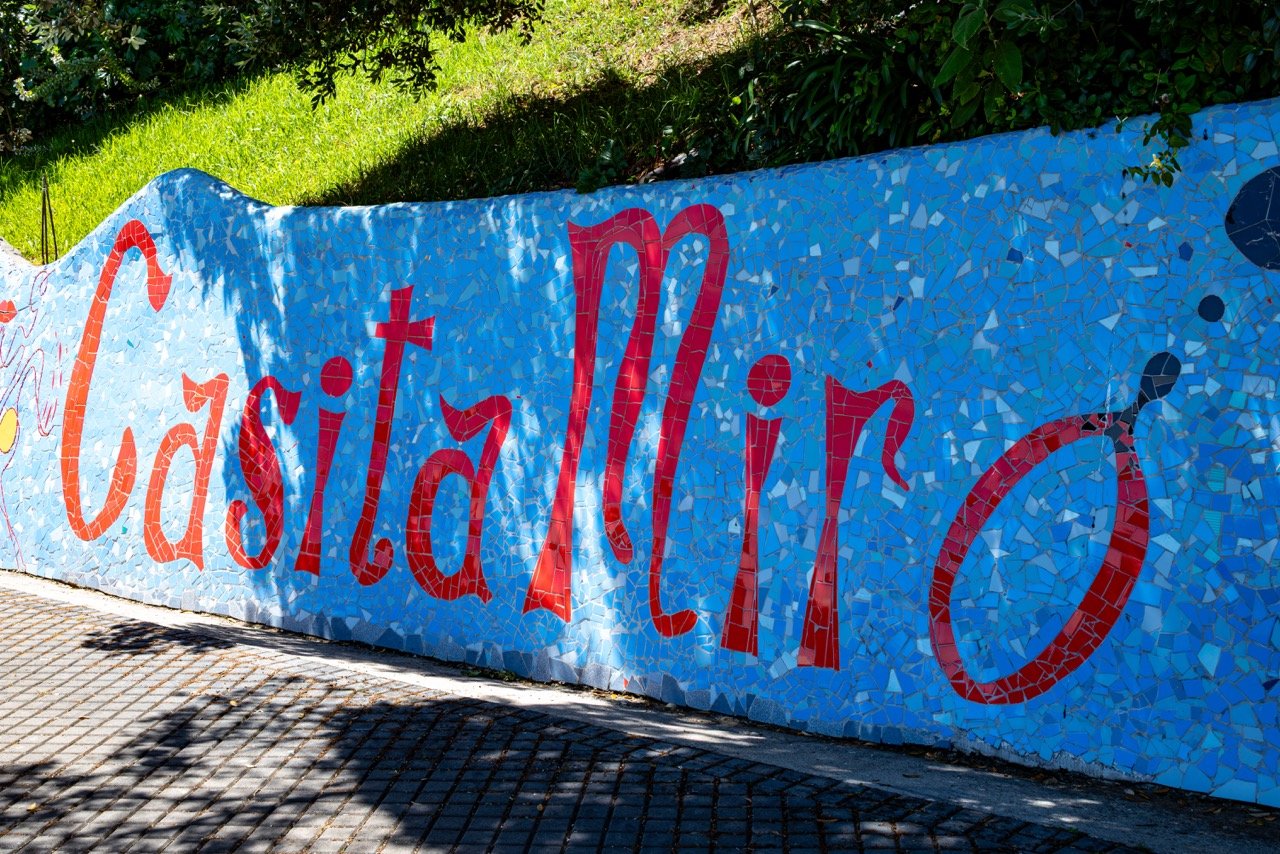
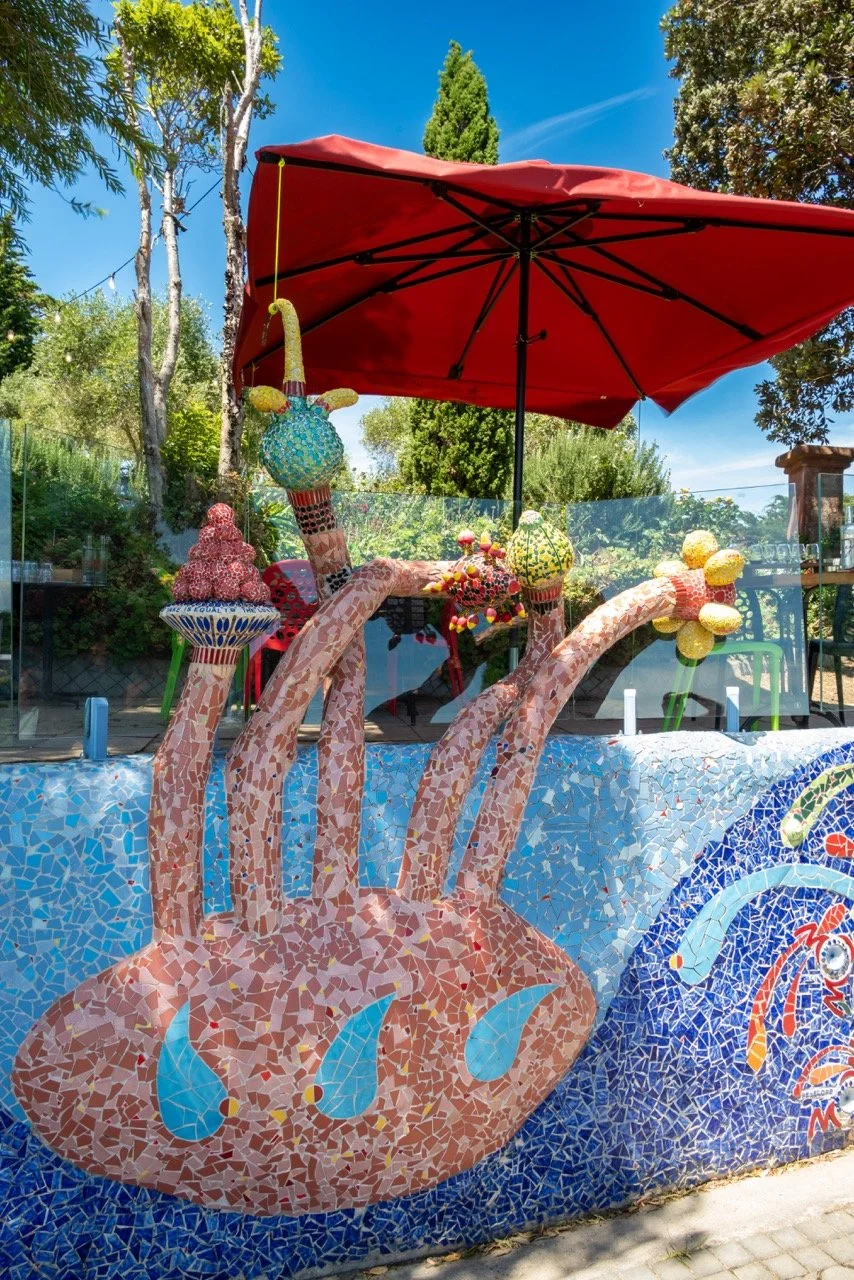
But honestly, what makes Casita Miro special is the food. You end up sitting around big tables or out on the terrace, digging into Spanish-style tapas and whatever is in season that day—everything is meant to go perfectly with your glass of wine. Lastly, the outdoor décor is some of the most extensive and original pieces of art I’ve ever seen at a vineyard. From the start of the driveway all the way up to the tasting terrace is a giant tile mosaic. You could spend hours looking at it and still never notice all the little intricacies and personal touches it holds. It’s been a labor of love by the owners and their family which is clear throughout, but still emits a very professional and Spanish look which makes the surroundings that much more appealing (as if the rolling hills and ocean weren’t enough).
The Wines 🍷
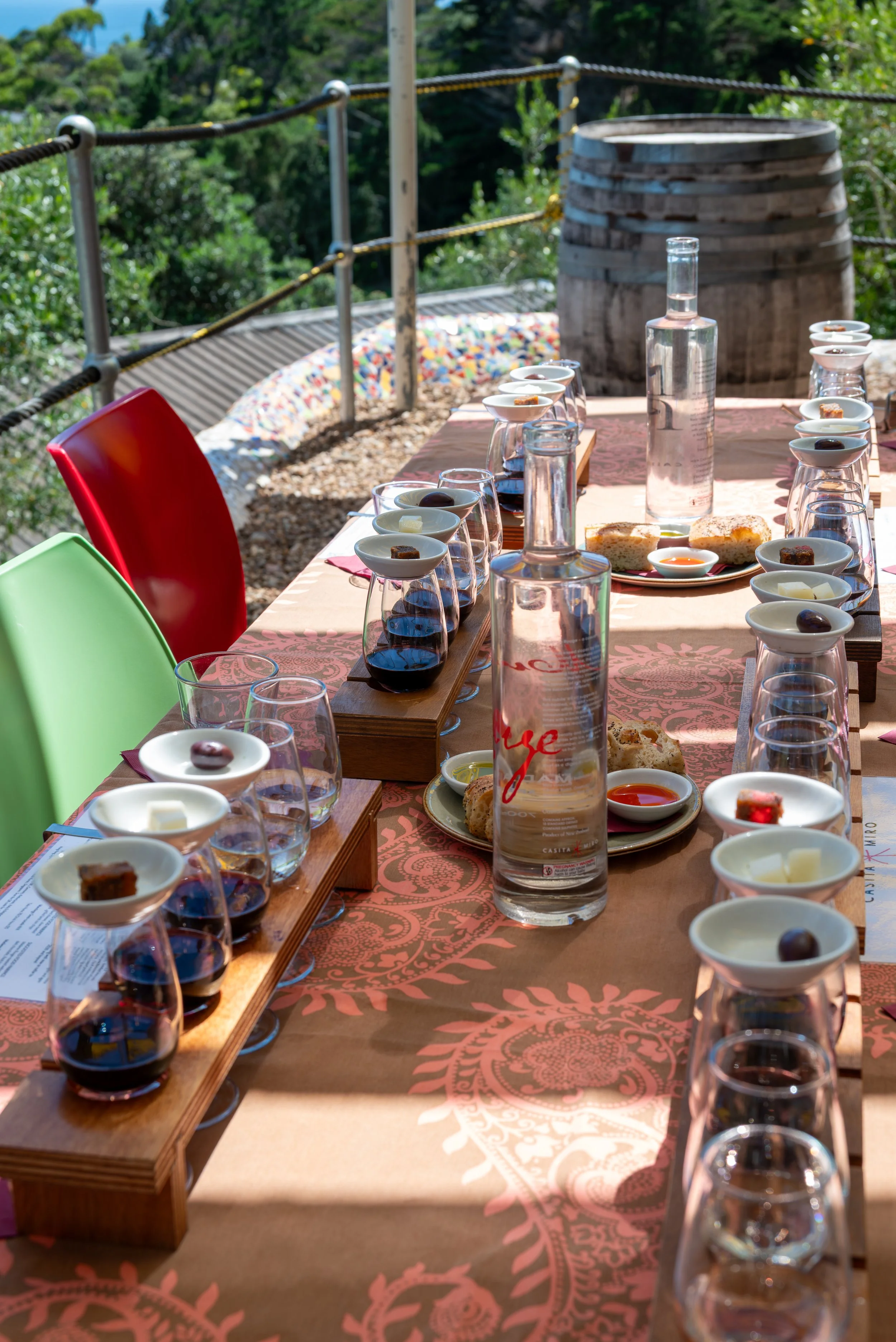
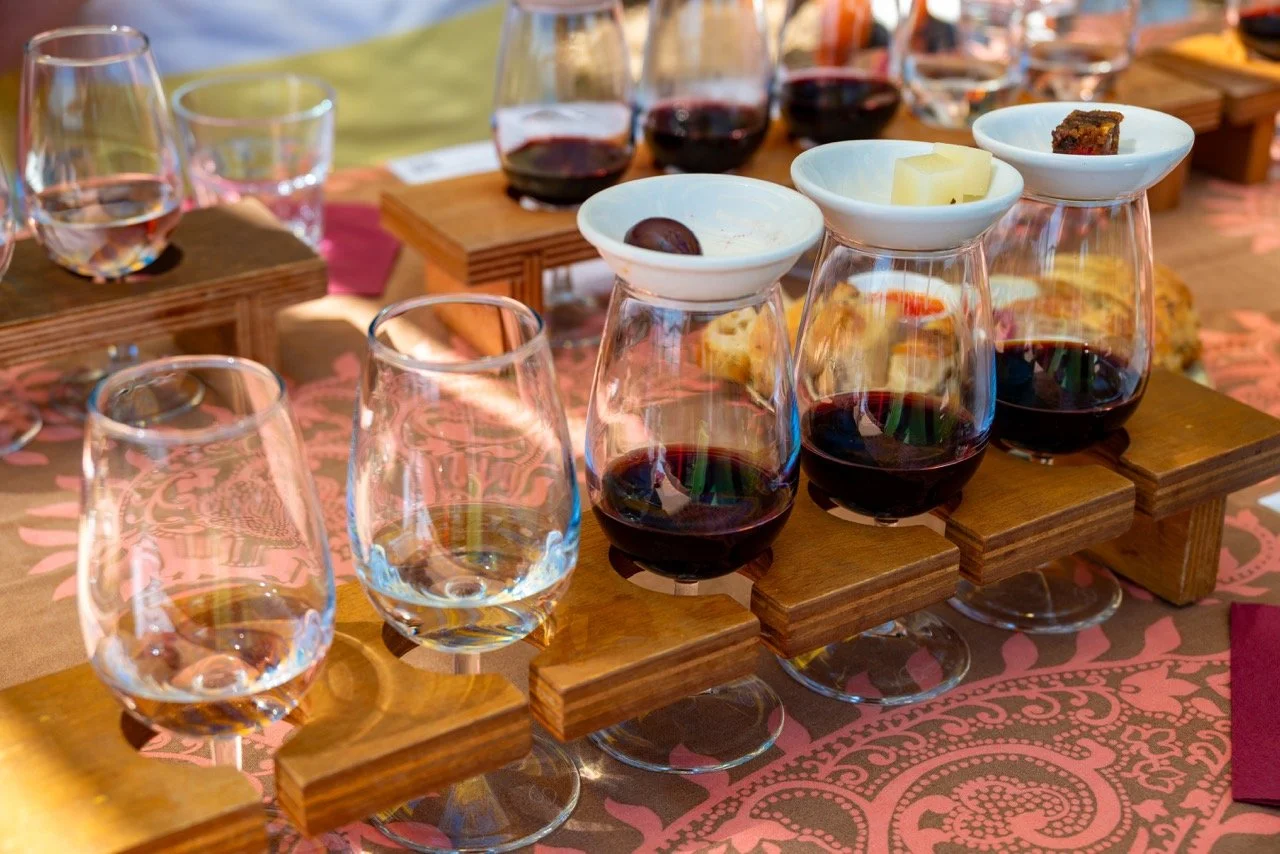
Pinot Gris 2025 – A classic Waiheke-grown Pinot Gris expressed delicate white fruit aromatics, with crisp pear and green apple on the nose. On the palate, I found it refreshing and dry, featuring a light citrus core and a subtle hint of almond on the finish that added complexity without heaviness. It was a refreshing, easy-drinking white that I would love to pair with seafood and light tapas.
Gisborne Albariño 2024 – This Spanish-heritage white was bright and zesty to me, with fresh citrus and stone fruit notes lifted by a clean mineral streak. Although lighter in body, its lively acidity made it my choice for a vibrant aperitif or a partner to shellfish and salads. And of course, no Spanish winery is complete without an Albariño, so I was very happy to see it on the menu!
Syrah Viognier 2022 – Inspired by the Rhône, this blend married the dark berry intensity and spice of Syrah with the floral aromatics and silkiness of Viognier. I picked up blackberry, pepper, violet, and a hint of herbs on the nose, with a medium-full palate that was rounded yet structured — would be my go-to with grilled meats and heartier dishes.
Miro 2020 Bordeaux Blend – As one of the signature reds from Casita Miro, this blend of Cabernet Sauvignon, Merlot, Cabernet Franc, and a touch of Malbec offered a lush core of dark red and black fruits like plum and cassis, framed by violet, herbal notes, and cedary oak from about 15 months of barrel aging. The tannins were firm but ripe, giving it the structure and balance I appreciated, and could easily be laid down for several years to see it progress into something even more beautiful.
Malbec 2021 – This single-varietal Malbec showed rich, brambly fruit with ripe blackberries and plums, delivering substantial mid-palate weight for me, with gripping tannins and hints of black pepper and vanilla from oak influence. Youthful and bold, it would work with a big meal or as a fun sipper at the end of the evening.
Cabernet Franc 2021 – I found this wine intensely aromatic, with layers of black currant, roasted plum, milk chocolate, and vanilla. On the palate, it revealed olive and anise undertones, a polished mineral quality, and firm acidity integrated with tannin, creating exceptional depth and longevity. It went well with the olives that were paired with the tasting, and although olives usually aren’t my favorite, both the wine’s undertones and actual olives were both unoffensive and quite delicious.
Rosé 2025 – The Provence-style rosé, mainly Merlot with a bit of Syrah and Cabernet Franc, displayed strawberry and red cherry fruit, bright acidity, and a dry finish. It was perfect for the warm day in the sunshine or to pair with lighter salads and tapas.
Madame Rouge NV (Fortified) – This specialty style at Casita Miro was another beautiful, fortified wine of NZ, showing deep, concentrated notes of plum, fig, and cherry. Its rich sweetness was balanced by savory depth and a lingering finish. The best part is, I usually get two helpings as it’s not always my wife’s cup of tea during a tasting.
Batch Winery
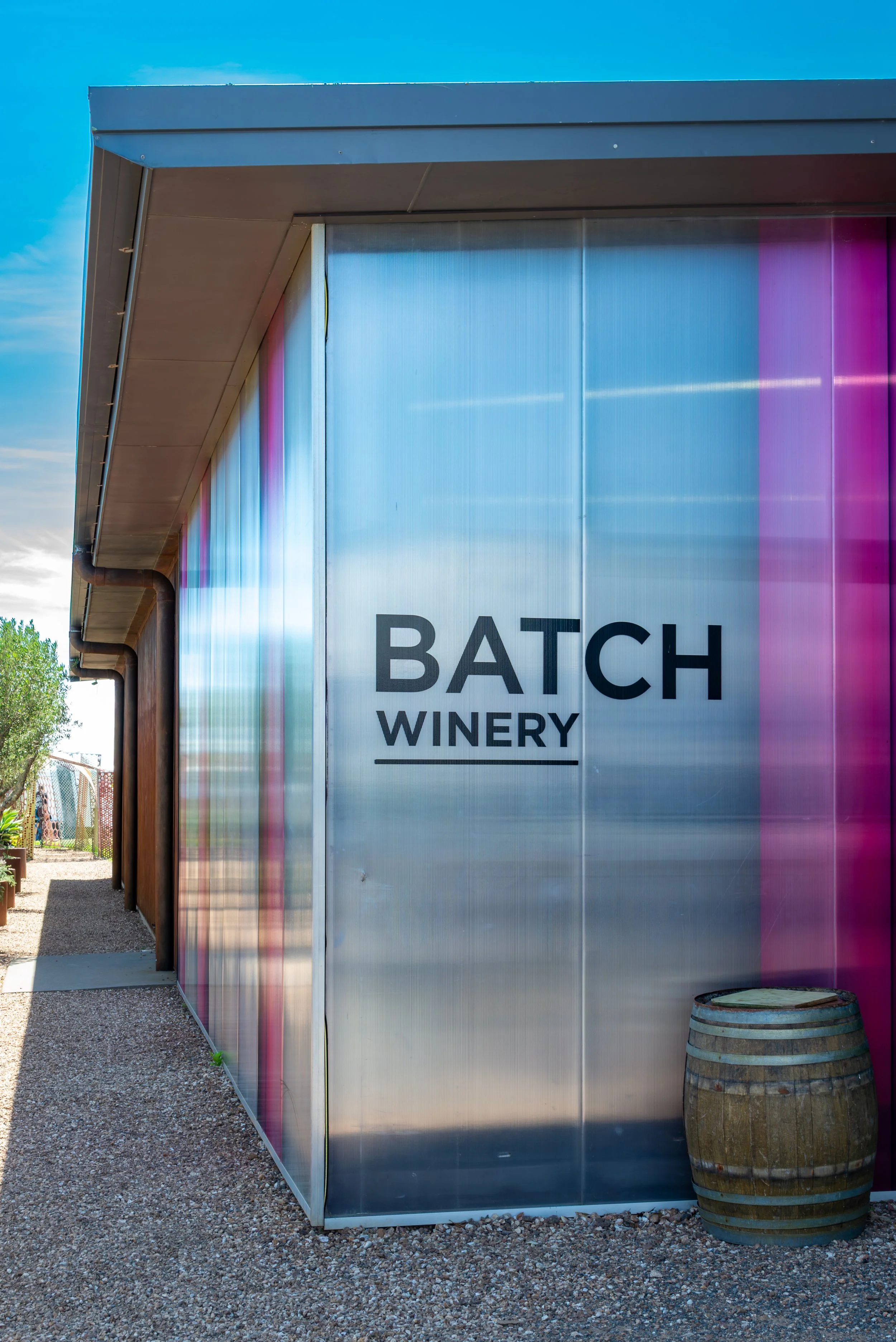
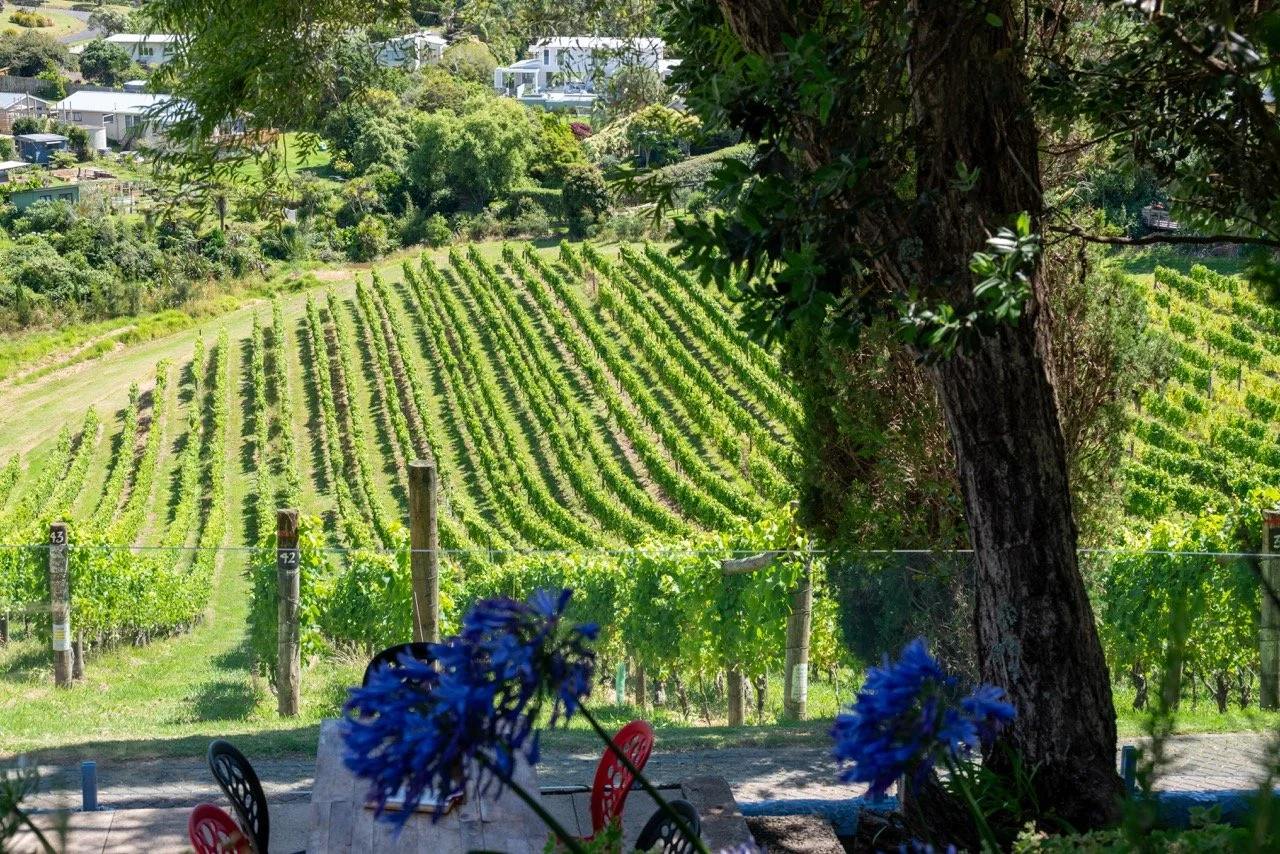
When we pulled up to Batch Winery, the first thing that struck me was how effortlessly cool and welcoming the place felt — like stumbling onto a friend’s stylish backyard party where everyone happens to love great wine. The tasting space itself is beautifully designed: modern yet warm, with plenty of natural light and views of the surrounding vines that make you feel instantly at ease. What was equally awesome about this tasting room, was that a woman from my hometown outside of Boston was working there! She’s doing a work visa summer, and I couldn’t have been more jealous in that moment.
The entire team at Batch was impressive. Knowledgeable without being pretentious, they walked us through each pour with stories about the vineyard, the vintage, and how each wine was made. It made us feel connected to what was in the glass — not just tasting the wine but understanding the hands and hearts behind it.
We started the tasting in the production room, and I was even treated to special behind the scenes of their cold fermentation room which smelled heavenly and held some beautiful barrels of wine. For our last glass, the staff walked us around the property, which is a highlight of any visit, as Batch is at the highest elevation on the island and has the views to prove it!
The Wines 🍷
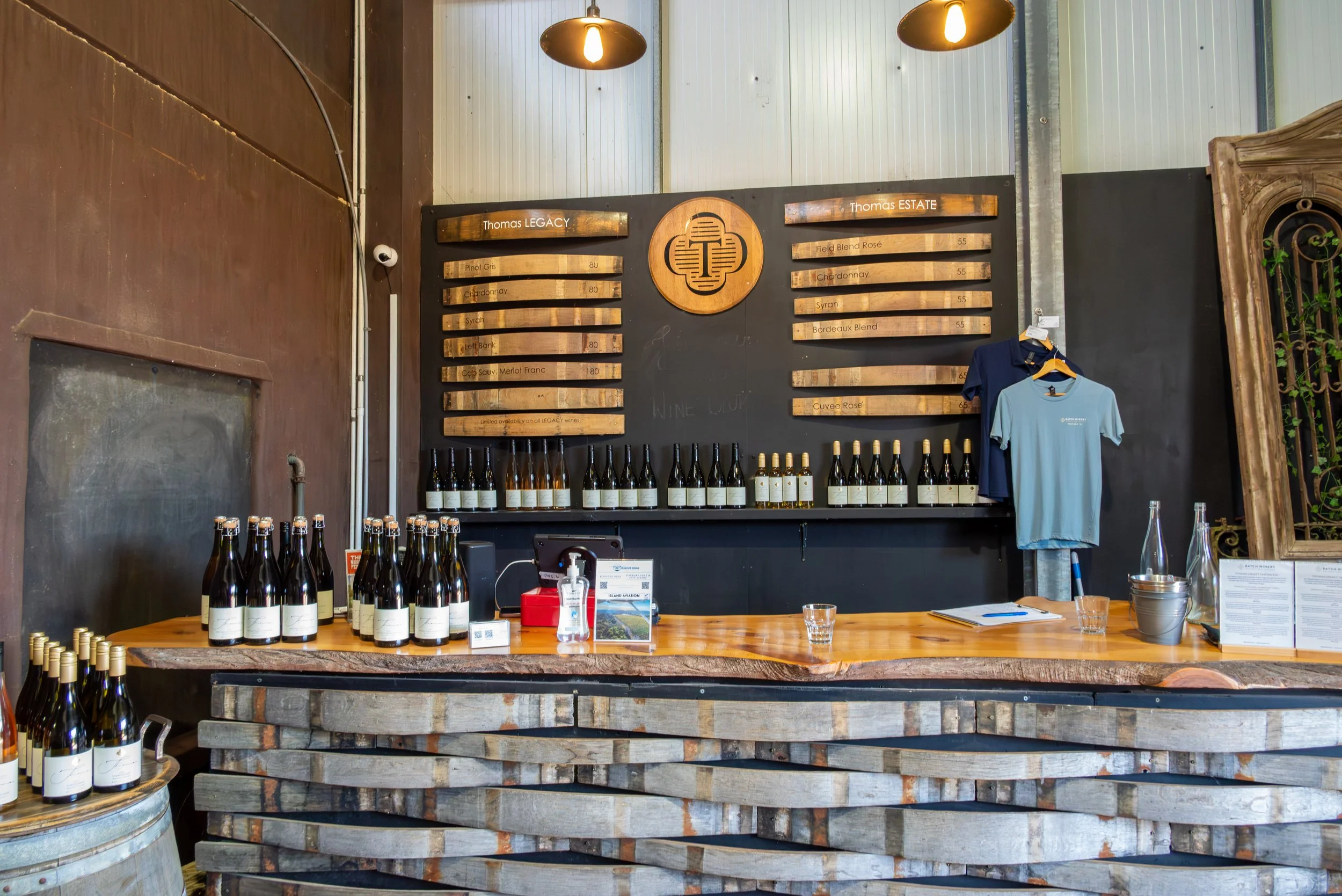
Field Blend Rosé
Pale salmon in the glass, this Rosé felt like a Waiheke afternoon bottled. Aromas of wild strawberry, watermelon, and rose petal floated up immediately. On the palate it was dry, crisp, and wonderfully balanced, with juicy red fruit up front and a clean, refreshing finish. It was light without being forgettable, and dangerously easy to keep sipping while soaking in the vineyard views.
Chardonnay
This Chardonnay was all about finesse. I found layers of ripe stone fruit, lemon curd, and toasted almond on the nose. The palate was silky and elegant, with flavors of peach, citrus, and subtle oak spice gliding across the tongue. There was just enough richness to feel indulgent, but plenty of acidity to keep it lively. The finish lingered softly, leaving a creamy, nutty echo that made me want another taste.
Syrah
This was the star of the tasting for me. Deep and dark in the glass, it opened with blackberry, plum, cracked black pepper, smoked herbs, and a touch of violet. On the palate it was bold yet beautifully polished, with juicy dark fruit wrapped in smooth, fine-grained tannins. I kept tasting layers of blackberry compote, savory spice, and a gentle smokiness that gave it serious depth.
Batch Winery Bordeaux Blend
This wine brought everything together. Combining the structure of Cabernet, the softness of Merlot, and the spice of Syrah, it offered layers of dark berries, mocha, dried herbs, and gentle oak. Smooth and seamless, it was incredibly drinkable while still carrying plenty of complexity. Every sip felt harmonious, making it the perfect note to end the tasting on.
Mudbrick
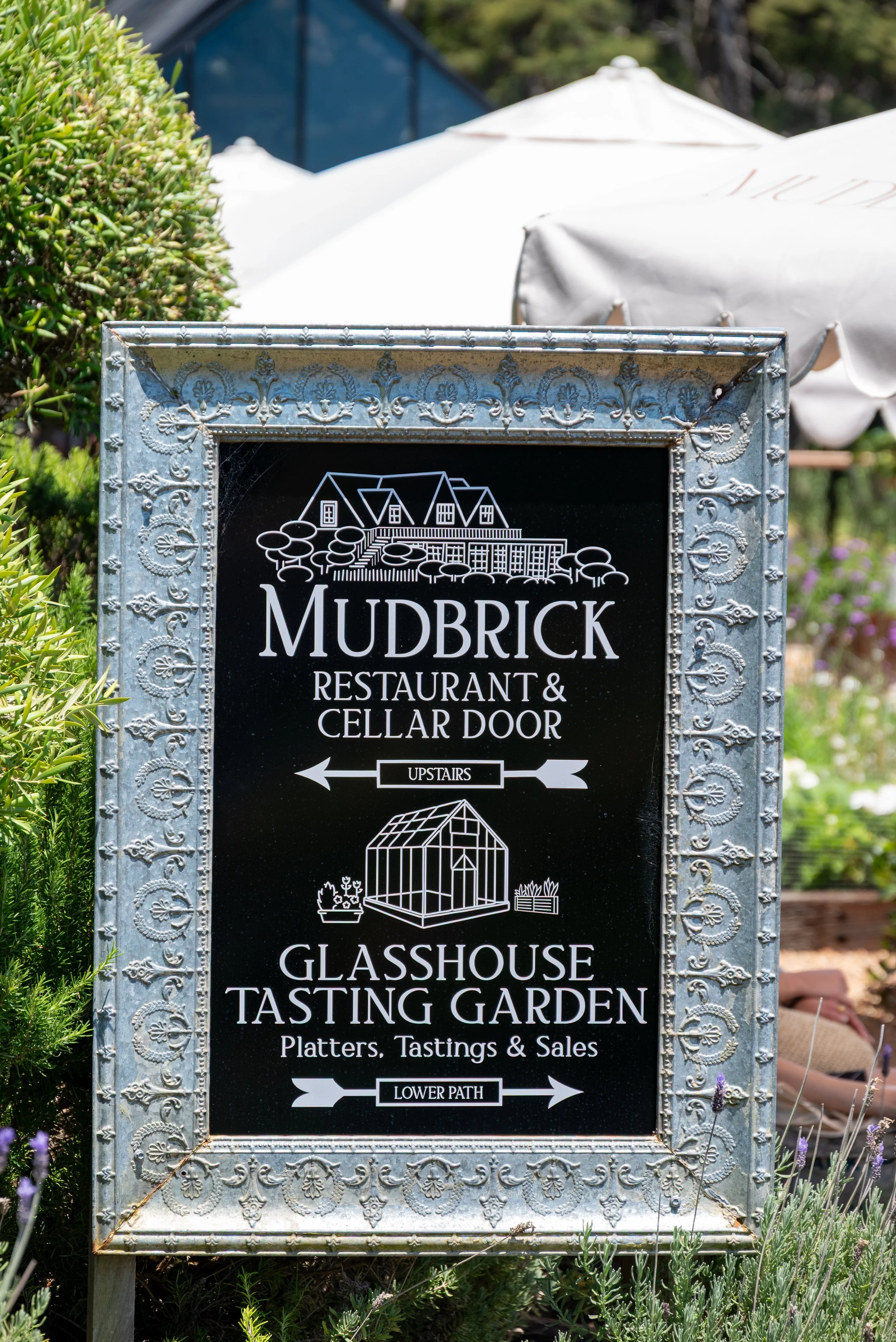
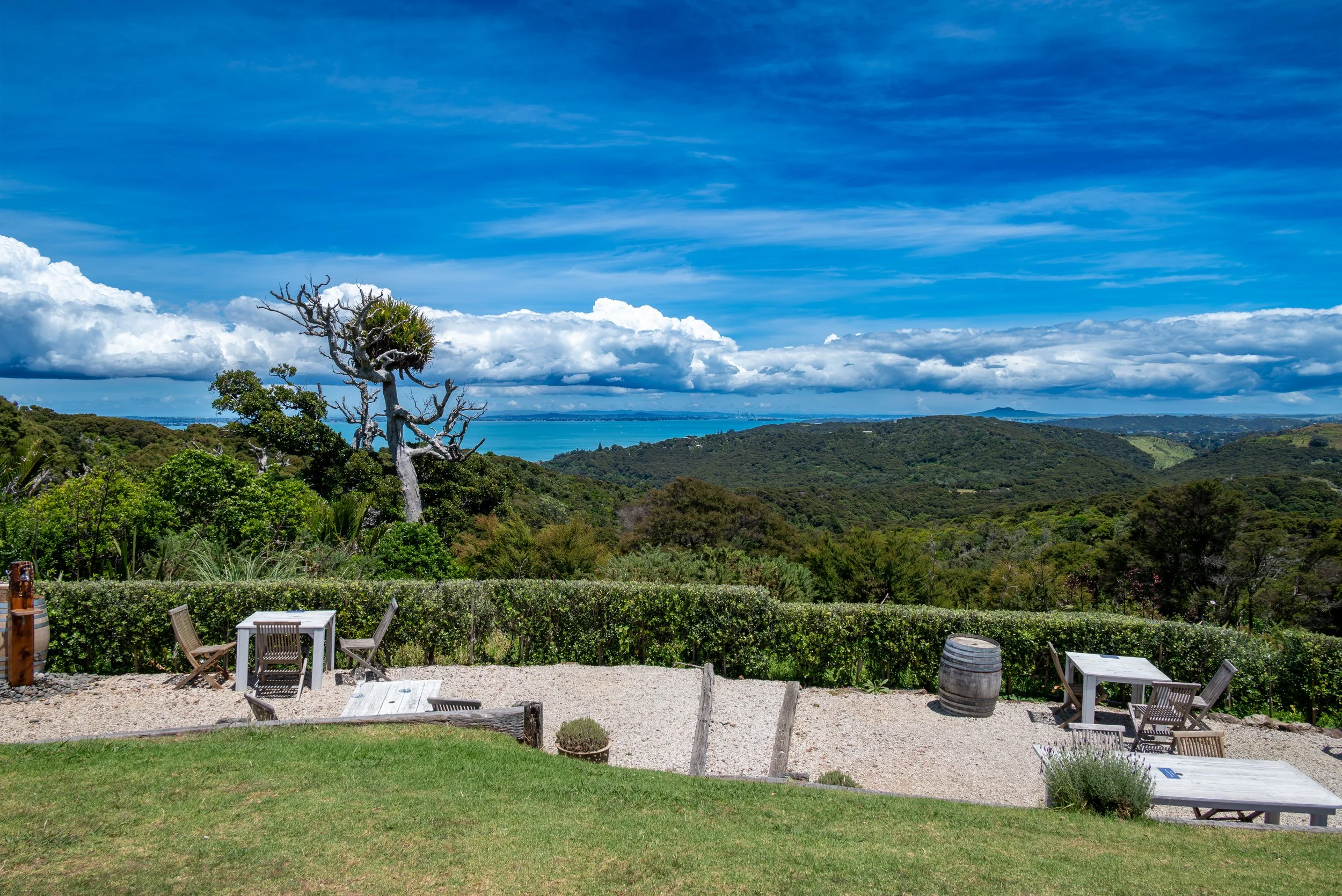
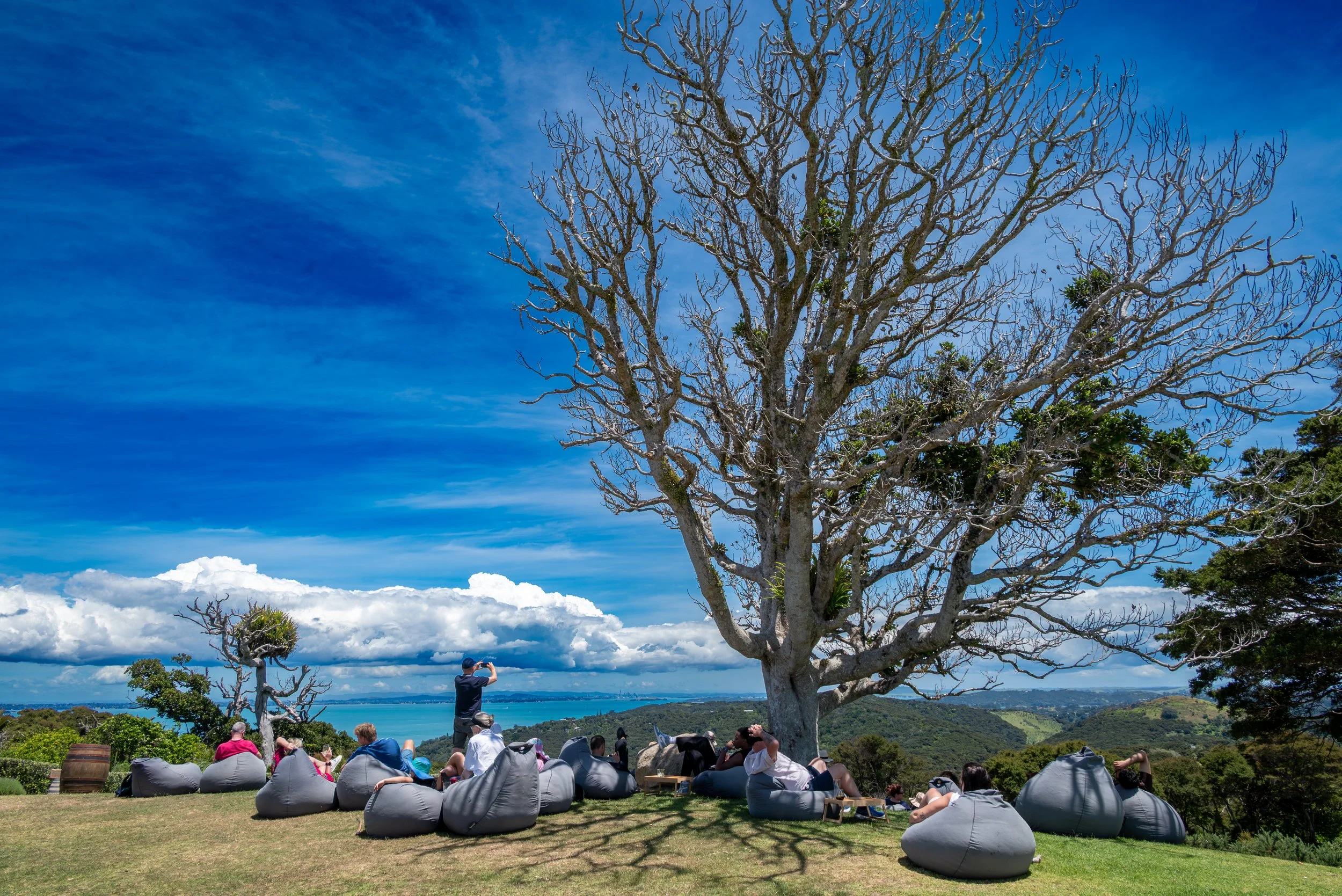
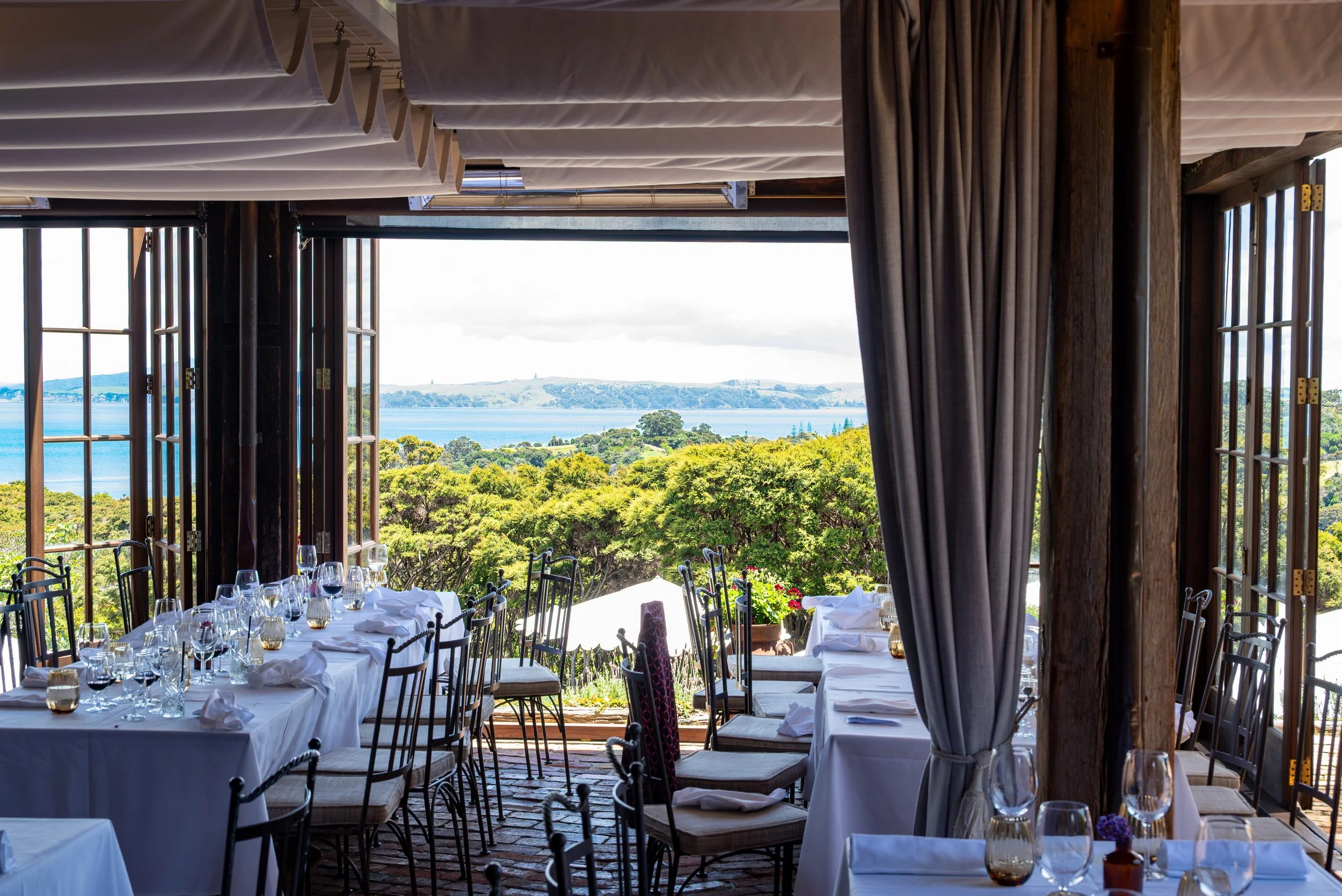
Mudbrick was our final stop of the day, and it was clear to see why. Perched up on a hill, it looks out over the Hauraki Gulf, with amazing views back toward Auckland and across the water, all framed by neat rows of vines, olive trees, and beautiful gardens. Mudbrick’s story started back in the early ’90s, when the founders wanted to create a place that felt romantic and classy like an old European wine estate but still had the wild charm of Waiheke. They planted vines on the steep, sunny hills and built a winery that looks more like a European château than your typical New Zealand cellar door. Over the years, Mudbrick helped put Waiheke on the map for great wine, especially Bordeaux-style reds.
These days, Mudbrick’s wines are known for being rich, structured, and full of character. They focus mostly on cabernet sauvignon, merlot, cabernet franc, and malbec—grapes that do well in Waiheke’s warm, coastal climate. The wines are bold but still smooth, with layers of dark fruit, spice, and earthy flavors that show off the island’s unique soil and long growing season. They’re made to be enjoyed with a good meal and great company, not just sipped on their own. The tasting room(s) at Mudbrick are a whole experience. You can try their wines while looking out over the vines and sparkling water from a few different settings that include; the Glasshouse tasting garden, the outdoor restaurant seating, on the patio at the rooftop bar, or inside in a fun speak-easy. The staff are super friendly and know their stuff, happy to walk you through the wines and share a bit about Mudbrick’s story and philosophy. If you play your cards right, you might even get a pour of some of their library wines which really puts the tasting over the top.
But Mudbrick isn’t just a winery. Its restaurants are well-known, drawing people from all over—locals, folks from Auckland, and even further away. The main restaurant mixes fine dining with a laid-back, island vibe, using seasonal, local ingredients that pair perfectly with the wines. There’s also a more casual bistro, which is great for spending lazy afternoons with a bottle of wine on the table. What I love most about Mudbrick is how it brings together wine, food, and an incredible setting for an experience you don’t forget. Watching the sun go down over the Hauraki Gulf with a glass of red from the very vineyard you’re sitting in—it almost feels unreal. It’s one of those memories that sticks with you long after you’ve left, and a perfect example of why Waiheke is such a world-class wine spot. I think there were 3 separate bachelorette parties going on while we were there, and I can’t blame them for picking such an amazing venue to celebrate.
Mudbrick is also a big part of Waiheke’s wine and tourism scene. It’s often the first stop for people new to the island, and it sets the bar high for what a Waiheke winery can be. Even though it’s super popular, it still feels welcoming and real, not commercial—just a warm, authentic place that makes you want to come back again and again. It’s one of the closest to the Ferry Port but I recommend saving it for your end of day, as it has one of the best harbor views around.
The Wines 🍷
Mudbrick Estate Sauvignon Blanc
This was my palate-waker. On the nose I caught lime zest, gooseberry, and fresh-cut herbs, but it was softer and more refined than many New Zealand Sauvignon Blancs. The first sip delivered bright citrus and green apple, balanced by a gentle roundness that kept it from feeling sharp. There was a subtle saline note that reminded me how close we were to the sea, and the finish was clean and refreshing — perfect for easing into the tasting.
Mudbrick Estate Chardonnay
This Chardonnay felt quietly luxurious. I picked up aromas of ripe peach, lemon curd, and toasted almond right away. On the palate it was creamy but not heavy, with layers of stone fruit and citrus woven together by just enough oak to add warmth and structure. A delicate vanilla note lingered on the finish, giving it a soft, elegant glide that made me want to sit back and savor the view a little longer.
Mudbrick Merlot
The Merlot showed off Waiheke’s gift for ripe, expressive reds. I smelled plum, black cherry, and a hint of cocoa as soon as the glass hit the table. The palate was smooth and generous, full of dark berry fruit with soft, polished tannins that made it incredibly easy to drink. There was a gentle savory edge — a touch of dried herbs and earth — that kept it from being too plush and added depth to every sip.
Mudbrick Cabernet Sauvignon
This wine had presence. Deep and dark in the glass, it opened with cassis, blackberry, cedar, and a faint graphite note. On the palate it was structured and confident, with firm but ripe tannins framing rich black-fruit flavors. I tasted hints of tobacco and spice as it opened up, and the long, dry finish made it clear this is a wine built for both the table and a bit of aging.
Mudbrick Reserve Blend
A blend of Bordeaux varieties, it felt layered and seamless, offering blackcurrant, plum, mocha, and dried herbs in perfect balance. The texture was silky, yet the wine still carried real backbone. Each sip seemed to reveal something new — a flash of spice here, a whisper of oak there — making it the kind of wine you want to linger over rather than rush through.
Mudbrick Syrah
This was my personal standout. Aromas of blackberry, cracked black pepper, violet, and smoked meat rose from the glass, instantly drawing me in. On the palate it was rich and savory, with dark fruit wrapped in fine, elegant tannins and a smoky, spicy undertone that gave it serious character. It felt bold without being overpowering, a perfect reflection of Waiheke’s warm days and cooling sea breezes.
Waiheke Winery Roundup
Iconic Estates
Mudbrick Vineyard & Restaurant **
Best known for: Bordeaux-style reds, iconic views
Vibe: Elegant, romantic, iconic
Mudbrick is the island’s crown jewel. This is where people come for milestone lunches, proposals, and unforgettable sunsets. Structured cabernet blends and Syrah shine here.
Stonyridge Vineyard
Best known for: Larose Bordeaux blend
Vibe: Mediterranean, legendary, social
Stonyridge’s Larose is one of New Zealand’s most famous wines. The vineyard feels like Tuscany by the sea.
Man O’ War Vineyards
Best known for: Coastal Syrah, broad range of wines
Vibe: Beachy, adventurous, expansive
Huge vineyard holdings across the island give them incredible diversity. Their beachfront tasting room is unforgettable.
Boutique Legends
Te Motu Vineyard
Best known for: Powerful Bordeaux blends
Vibe: Old-school, serious, authentic
Run by one of Waiheke’s founding families, Te Motu makes wines built to age.
Goldie Estate
Best known for: Big, bold red blends
Vibe: Hidden-gem, collector-focused
This is Te Motu’s sibling winery, producing richer, more cellar-worthy reds.
Destiny Bay Wines
Best known for: Ultra-premium Bordeaux blends
Vibe: Exclusive, luxury, appointment-only
Some of New Zealand’s most expensive wines come from here.
Modern & Stylish
Batch Winery **
Best known for: Syrah, Pinot Gris, Cabernet Sauvignon
Vibe: Modern, relaxed, view-driven
A contemporary tasting space with wines that reflect modern Waiheke.
Tantalus Estate
Best known for: Cabernet blends and Syrah
Vibe: Polished, garden-driven, refined
Great for wine lovers who enjoy great food with their tasting.
Cable Bay Vineyards
Best known for: Chardonnay, Pinot Noir
Vibe: Stylish, social, dramatic views
A perfect mix of wine, dining, and scenery.
Mediterranean & Food-First
Casita Miro **
Best known for: Tempranillo and Spanish-style reds
Vibe: Warm, tapas-driven, communal
Feels like being invited into a Spanish home on a vineyard.
Obsidian Vineyard
Best known for: Syrah, Chardonnay
Vibe: Sleek, refined, wine-focused
A winemaker’s winery with serious attention to detail.
Fun, Friendly & Accessible
Wild on Waiheke
Best known for: Craft beer, spirits, casual wines
Vibe: Party-friendly, relaxed, big decks
Not just wine — but one of the most fun stops on the island.
Jurassic Ridge Vineyard
Best known for: Syrah
Vibe: Rustic, old-school, vineyard-focused
Palm Beach Estate
Best known for: Cabernet and Merlot
Vibe: Beachy, casual, neighborhood winery